Pro Found Roofing
Pro Found RoofingRoofing Tips & InsightsRoofing Companies Near Me
ArkansasCaliforniaColoradoConnecticutDelawareDistrict of ColumbiaFloridaGeorgiaIllinoisIndianaIowaKansasKentuckyLouisianaMaineMarylandMassachusettsMichiganMinnesotaMissouriNebraskaNevadaNew HampshireNew JerseyNew YorkNorth CarolinaOhioOregonPennsylvaniaRhode IslandSouth CarolinaTennesseeTexasVermontVirginiaWashingtonWest VirginiaWisconsin
Pro Found RoofingRoofing Tips & Insights

Insurance Adjuster Roof Inspection Tips: What You Need to Know

Insurance Adjuster Roof Inspection Tips: What You Need to Know

1. What to Expect During an Insurance Adjuster Roof Inspection

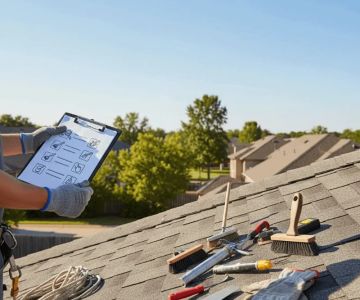
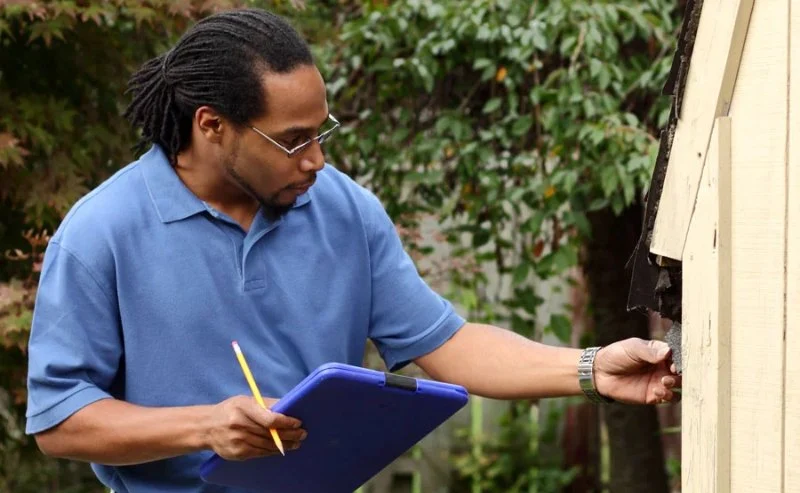
An insurance adjuster roof inspection is a critical step in the process of filing a roof damage claim. During this inspection, an adjuster will evaluate the condition of your roof and determine the extent of the damage, which will help determine the payout for your claim. Here's what to expect:Initial Assessment: The adjuster will begin by reviewing your roof’s overall condition, noting any visible damage. They’ll look at aspects like shingles, flashing, and gutters, taking detailed notes and photos.Assessment Tools: Insurance adjusters use tools such as ladders, measuring devices, and sometimes drones to access and inspect the roof. They may also check attic spaces to assess water damage from leaks.Detailed Report: After the inspection, the adjuster will compile a report based on their findings. This report will determine whether the damage is covered under your policy and the compensation you’re eligible for.

2. Key Factors Insurance Adjusters Look for During Roof Inspections

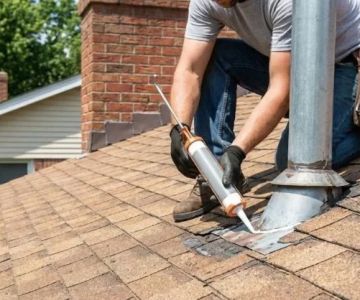
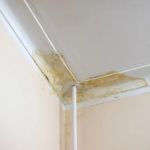
Understanding the factors that insurance adjusters focus on during a roof inspection can help you better prepare for the process. Here are the key things they look for:Shingle Damage: Adjusters will check for missing, cracked, or curled shingles, as these can be signs of wind or hail damage. Damaged shingles can affect your roof's ability to protect your home from the elements.Leaks and Water Damage: The adjuster will look for signs of water damage in the attic or ceiling, as leaks can cause severe structural damage if left untreated.Flashing Issues: Flashing, which seals joints and edges of the roof, is a common point of failure. Missing or damaged flashing can lead to leaks and is a key focus during an inspection.Gutter Condition: Gutters play a crucial role in directing water away from your roof. Adjusters will inspect the gutters to see if they're clogged or damaged, which could affect roof performance.

3. Preparing for Your Insurance Adjuster Roof Inspection

To ensure a smooth and efficient roof inspection, proper preparation is key. Here are some steps you can take before the adjuster arrives:Document the Damage: Take clear photos or videos of the damage to your roof. This can help support your claim and provide a record of the damage before the adjuster arrives.Clear the Area: Make sure there is easy access to your roof. If there are obstacles like overgrown trees or debris around your home, clear them away to allow the adjuster to inspect the roof thoroughly.Have Your Insurance Policy Ready: Ensure you have your insurance policy available during the inspection. The adjuster may need to reference it to understand your coverage limits, deductibles, and exclusions.Be Prepared for Questions: The adjuster may ask about when the damage occurred, any previous roof repairs, or maintenance you’ve had done. Be honest and provide as much information as possible.

4. How Insurance Adjusters Determine Roof Damage

Insurance adjusters determine the extent of roof damage by evaluating various factors, including the severity of the damage, the type of material, and how the damage may have occurred. Here’s how they make their assessment:Visual Inspection: Adjusters will start with a visual inspection to check for obvious damage such as missing shingles, cracks, or dents. They’ll look for patterns of damage that might indicate a specific type of storm or natural event.Comparative Analysis: If there’s significant damage to your roof, the adjuster may compare it with nearby properties or consult weather reports to determine if the damage was caused by a covered event, such as a hailstorm or hurricane.Age of the Roof: The adjuster will take the age of your roof into account. Older roofs are more susceptible to damage, and the adjuster will assess how much of the damage can be attributed to age versus recent weather events.

5. Common Roof Damage Issues That Affect Insurance Claims

Several types of roof damage can affect your insurance claim. The adjuster will determine whether the damage is covered based on your policy's terms. Here are some common issues that can impact your claim:Hail Damage: Hailstorms are a common cause of roof damage, and most homeowner's insurance policies cover it. Adjusters will inspect the roof for dents, cracks, or missing granules that indicate hail damage.Wind Damage: High winds can cause shingles to lift or tear off, which may expose your home to leaks and further damage. Wind damage is typically covered under most policies.Wear and Tear: If the damage is due to the natural aging of the roof or lack of maintenance, it may not be covered. Insurance policies generally don’t cover damage from neglect or regular wear and tear.Water Damage: If your roof leaks, leading to water damage inside the home, the adjuster will assess both the roof and interior damage. However, water damage caused by long-term neglect may not be covered.

6. Real-Life Case Studies of Insurance Adjuster Roof Inspections
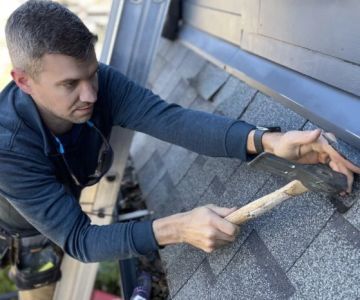
Understanding real-life examples can help illustrate how insurance adjusters handle roof inspections:Case Study 1 – Emily’s Hailstorm Claim: Emily’s roof suffered significant damage after a hailstorm. She documented the damage with photos and contacted her insurance company. After the adjuster inspected the roof and confirmed the hail damage, she received a payout to cover the cost of a new roof.Case Study 2 – Mark’s Wind Damage: Mark’s roof had missing shingles after a windstorm. The insurance adjuster assessed the damage, found that it was within the scope of his policy, and approved his claim for repair costs. However, because the roof was already several years old, Mark had to cover part of the repair costs due to depreciation.

Popular Blog Posts

Categories

Top Visited Sites

Top Roofing Companies Searches

Trending Roofing Tips & Insights Posts