
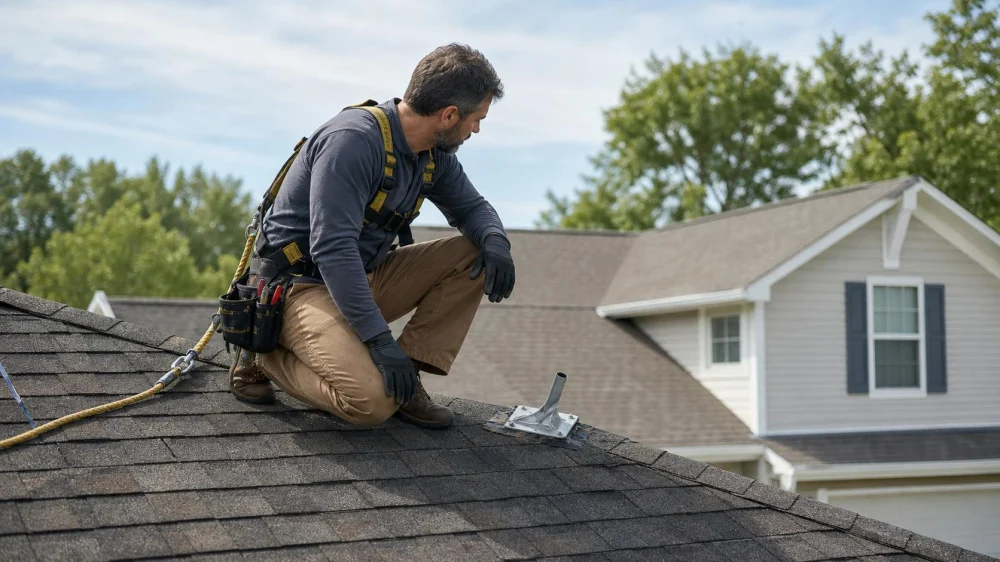
Roof Satellite Dish Removal: Protect the Attachment Area
Table of contents
Quick answer
Do not simply unbolt a satellite dish and fill the holes with exposed caulk. A qualified roofer should identify how the mount penetrates the roof, check the shingles and decking around it, remove or safely abandon associated cable, and use a repair detail compatible with the existing roof. Photograph the area and preserve warranty records before and after work.
Lance Roofing & Siding Inc. / lance roofing and siding
6903 Dayton Springfield Rd, Enon, OH 45323, USA
Plan the removal
Confirm that the dish is no longer active and that you are authorized to remove it. Ask the service provider whether equipment must be returned. From the ground, note the mount location, cable route, nearby vents, and any staining or displaced shingles. The roofing scope should state:
- whether the entire mount or only the dish will be removed;
- how fastener holes and damaged roofing will be repaired;
- whether decking inspection or replacement is included;
- who removes exterior cable and seals wall entries;
- how the repair affects roof workmanship and material warranties;
- what photos and invoice details you will receive.
Repair and document
- Record the roof condition before work.
- Use fall protection and protect the roof from tools and foot traffic.
- Disconnect and lower equipment without dragging it across shingles.
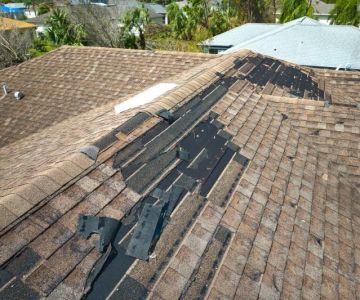
- Inspect every penetration and the surrounding substrate.
- Complete a manufacturer-compatible shingle, flashing, or membrane repair.
- Check attic or ceiling areas for moisture when accessible.
- Save after-photos, product details, and the paid invoice.
A surface dab of sealant may age differently from the roofing and may hide an incomplete repair. Ask the roofer to explain the durable water-shedding detail rather than focusing only on the visible holes.

Rapid Response Roofing / rapid response roofing
East GreenvilleMontgomery CountyPennsylvania
408 State St, East Greenville, PA 18041, USA
Limits and safety
Homeowners should not climb onto a steep, wet, icy, fragile, or unfamiliar roof. Keep clear of overhead electrical hazards. Stop if the mount is near service equipment, the roof feels soft, or water damage appears extensive. Structural decay, mould, or active electrical components may require additional qualified professionals.
Frequently asked questions
Can the empty bracket stay?
Sometimes, but an abandoned bracket can still create maintenance and leak concerns. Ask a roofer to compare safe removal with a documented, weatherproof abandonment detail.
Will matching shingles be available?
Not always. Confirm product compatibility and understand that color may differ because of age and weathering.
Should the cable be pulled out?
Trace it first. Removing a cable without planning can leave open wall penetrations or affect other services. Label any cable that remains.
Sources and evidence
Use the roof-covering manufacturer’s current repair instructions, the mount manufacturer’s guidance, applicable local building rules, and written roof warranty terms. A qualified roofer should adapt the detail to the actual roof system.
Next steps
Collect the dish account status, roof warranty, and photos; then obtain a written removal-and-repair scope. Approve work only after responsibility for the mount, penetrations, cable, cleanup, and documentation is clear.
 Towne Roofing5.0 (8 reviews)
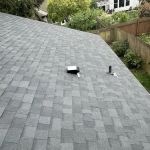 Gresham Roofing4.0 (121 reviews)
 Tommie B. Butts, Jr. Enterprises, Inc.5.0 (3 reviews)
 Allied Roofing & Sheet Metal3.0 (29 reviews)
 Urban Peak Roofing Solutions Co.0.0 (0 reviews)
 Arreguin Inc5.0 (1 reviews)
 Skylight Leaks: Causes, Repairs, and Prevention | Pro Found Roofing
 Roof Financing No Credit Check Options Explained for Homeowners
 How Long Does It Take to Repair a Roof Leak?
 How to Identify and Repair Damage from an Animal That Has Died in the Attic
 The Best Time to Replace Your Roof: Spring and Fall Weather Windows
 How to Install a Standing Seam Metal Roof with Hidden Fasteners