
What Is a Roofing Contractor License and Why It Matters in Today’s Construction Industry
- Understanding Roofing Contractor Licensing Basics #licensing-basics
- How Roofing License Requirements Differ by State #state-rules
- Why Hiring a Licensed Roofing Contractor Matters #importance
- Risks of Hiring Unlicensed Roofing Workers #risks
- How Licensing Protects Homeowners Legally and Financially #homeowner-protection
- Insurance and Liability Coverage Explained #insurance
- Real Homeowner Experience With Licensed vs Unlicensed Work #case-story
- How to Verify a Roofing License Properly #verification
- Industry Standards and Professional Certification #standards
- Why Choosing the Right Roofing Partner Changes Everything #decision-making
Understanding Roofing Contractor Licensing Basics
What a roofing contractor license actually represents
A roofing contractor license is more than just a piece of paper—it is official proof that a contractor has met specific requirements to perform roofing work legally and safely. These requirements often include passing exams, proving work experience, and understanding building codes.
When homeowners ask what is a roofing contractor license and why it matters, the answer begins with trust. A licensed contractor is recognized by the state or local authority as qualified to handle roofing projects according to established standards.

Holden Roofing (Houston Corporate) / holden roofing
RosenbergFort Bend CountyTexas
2128 1st St, Rosenberg, TX 77471, USA
Why licensing exists in the first place
Licensing systems were created to protect homeowners from unsafe construction practices. Roofing is a high-risk trade involving structural integrity, weather protection, and safety hazards. Without regulation, poor workmanship could lead to costly damage and safety issues.
Victors Home Solutions / victors roofing
2722 E Michigan Ave suite 239, Lansing, MI 48912, USA
How Roofing License Requirements Differ by State
Why there is no single national roofing license
In the United States, roofing contractor license requirements vary significantly from state to state. Some states require strict licensing exams and continuing education, while others regulate roofing at the local level or through general contractor licensing systems.
This variation means homeowners must always verify local requirements before hiring a contractor.
Example of state differences in practice
For instance, a contractor working in Florida may need to pass a specialized roofing exam due to hurricane risks, while another state may only require general construction licensing. These differences reflect local weather conditions and building demands.
Why Hiring a Licensed Roofing Contractor Matters
Trust, accountability, and professionalism
Choosing a licensed roofing contractor ensures accountability. Licensed professionals are required to follow safety codes, use approved materials, and meet inspection standards. This significantly reduces the risk of structural failures.
Homeowners gain peace of mind knowing the contractor is legally responsible for their work.
Long-term value of proper roofing work
A properly installed roof can last decades. Licensed contractors help ensure that materials are installed correctly, which directly impacts durability and energy efficiency.
Risks of Hiring Unlicensed Roofing Workers
Hidden dangers homeowners often overlook
Unlicensed roofing workers may offer lower prices, but the risks are significant. Poor installation, lack of insurance, and violation of building codes can lead to expensive repairs later.
In some cases, homeowners may even be held liable for injuries that occur on their property if the contractor is uninsured.
A real-world cautionary example
A homeowner in Arizona once hired an unlicensed roofer for a quick roof replacement after a storm. Within months, leaks reappeared due to improper installation, resulting in double the repair cost when a licensed contractor had to redo the entire roof.
How Licensing Protects Homeowners Legally and Financially
Financial protection through compliance
Licensed roofing contractors are typically required to carry liability insurance and workers’ compensation coverage. This protects homeowners from financial responsibility in case of accidents or property damage during the project.
Without licensing requirements, homeowners would bear much higher risks.
Legal recourse when things go wrong
If a licensed contractor performs poor-quality work, homeowners have legal channels to file complaints or seek compensation through regulatory boards.
Insurance and Liability Coverage Explained
Why insurance is tied to licensing
Most roofing contractor license programs require proof of insurance. This ensures that both the contractor and homeowner are protected during construction projects.
Insurance covers accidents, property damage, and worker injuries, making it a critical part of professional roofing operations.
Real Homeowner Experience With Licensed vs Unlicensed Work
A comparison that changed one family’s decision-making
A homeowner in Texas initially hired an unlicensed contractor due to a lower estimate. The work appeared fine at first, but after a heavy rainstorm, multiple leaks appeared. Eventually, they hired a licensed contractor to redo the entire roof.
The second contractor not only fixed the damage but also helped the homeowner understand code violations that the previous worker had ignored.
How to Verify a Roofing License Properly
Simple but critical verification steps
Homeowners should always verify a roofing license before signing any contract. This can usually be done through state licensing boards or contractor registries.
Checking insurance certificates and past project references adds another layer of protection.
Industry Standards and Professional Certification
What separates professionals from amateurs
Licensed roofing contractors often participate in ongoing training programs to stay updated on materials, safety practices, and building codes.
This commitment to professional standards ensures higher quality work and longer-lasting roofing systems.
Why Choosing the Right Roofing Partner Changes Everything
How informed decisions protect your home
Understanding what is a roofing contractor license and why it matters helps homeowners make informed hiring decisions. Choosing a qualified professional reduces risk, improves roof longevity, and protects property value.
For homeowners seeking reliable roofing guidance, inspections, and professional repair services, platforms like
A licensed contractor is not just a requirement—it is a long-term investment in safety, durability, and peace of mind for every homeowner.

 VanderLaan Home Improvement4.0 (174 reviews)
 Pfeifer Roofing, Inc.4.0 (413 reviews)
 Vantage Construction Group5.0 (1 reviews)
 Salem Roofing1.0 (1 reviews)
 Safe Top Roofing & Remodeling4.0 (81 reviews)
 Divine Roofing LLC5.0 (19 reviews)
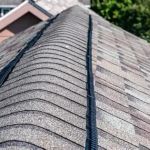 How to Install Ridge Shingles and Caps for a Finished and Watertight Roof
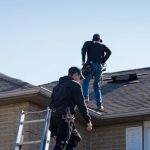 What to Do When Your Roof Fails a Home Inspection
 Roof Replacement Financing Options for Homeowners with Bad Credit | Pro Found Roofing
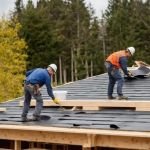 How Roofing Affects Home Resale Value
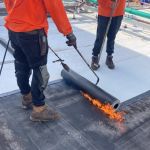 The Process of Installing a Modified Bitumen Roof for a Low-Slope Garage
 Roof Replacement Cost 2026: Updated Pricing Guide for Homeowners