
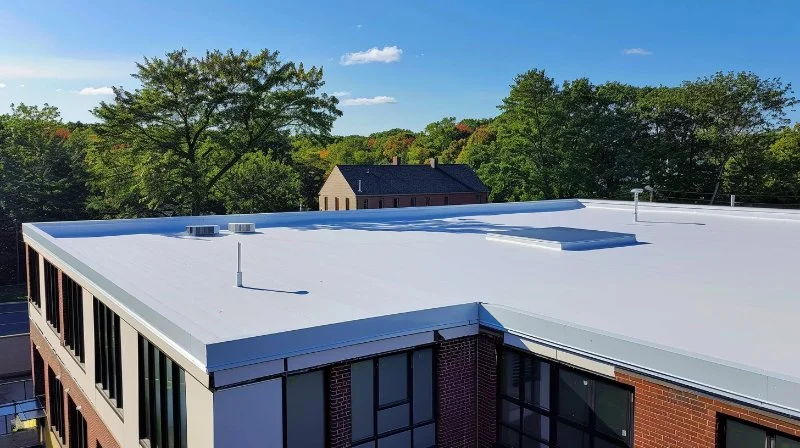
- Understanding Flat Roofs and Their Challenges
- Key Factors That Affect the Cost of Replacing a Garage Flat Roof
- Types of Roofing Materials and Their Costs
- Should You Hire a Professional for Flat Roof Replacement?
- How to Budget for Your Garage Flat Roof Replacement
1. Understanding Flat Roofs and Their Challenges
Flat roofs are a common feature in modern homes, particularly for garages, extensions, and commercial buildings. However, they come with their own set of challenges. Unlike sloped roofs, flat roofs have a tendency to collect water, which can lead to leaks, pooling, and other damage over time. The lack of a slope means that water drainage is less efficient, which puts more strain on the roof structure.
If you have a flat roof on your garage that’s showing signs of wear, damage, or leaks, replacing it might be necessary to prevent more serious structural issues. Understanding the costs involved is crucial before beginning the project.
2. Key Factors That Affect the Cost of Replacing a Garage Flat Roof
The cost of replacing a flat roof varies based on several factors. Understanding these factors will help you estimate how much you’ll need to budget for your garage roof replacement:
- Roof Size: The size of your garage roof is one of the most significant cost factors. Larger roofs require more materials and labor, increasing the overall cost.
- Roofing Material: The type of roofing material you choose will have a direct impact on the cost. Materials like EPDM (rubber roofing), TPO, and PVC tend to be more affordable, while modified bitumen and torch-on felt are typically more expensive.
- Condition of the Existing Roof: If the existing roof has significant damage, such as rot or structural problems, additional work may be required to prepare the surface for the new roof. This will increase the cost of replacement.
- Labor Costs: Labor costs can vary based on location, roofing company, and the complexity of the job. Ensure you get multiple quotes to ensure you’re getting a fair price for the work.
3. Types of Roofing Materials and Their Costs
When replacing a garage flat roof, you’ll need to choose the right roofing material. Here are the most common materials used for flat roof replacement, along with their price ranges:
- EPDM (Ethylene Propylene Diene Monomer): This is a popular, cost-effective option for flat roofs. EPDM is durable, resistant to UV damage, and has a long lifespan. The cost typically ranges from $3 to $7 per square foot, including installation.
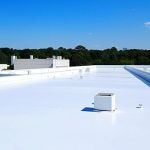
- TPO (Thermoplastic Olefin): TPO is another affordable roofing material that’s energy-efficient and heat reflective. It’s a great option for those looking to lower their energy bills. The cost is usually around $4 to $8 per square foot.
- Modified Bitumen: This material is more durable and provides superior waterproofing. It’s a bit more expensive, typically costing between $5 and $9 per square foot.
- Built-Up Roofing (BUR): BUR is made of multiple layers of roofing material, which makes it one of the most durable options for flat roofs. However, it’s also one of the most expensive, ranging from $7 to $12 per square foot.
- PVC (Polyvinyl Chloride): PVC is a high-quality roofing material that’s durable and resistant to chemicals and punctures. It’s also one of the more expensive options, with costs ranging from $6 to $10 per square foot.
4. Should You Hire a Professional for Flat Roof Replacement?
Replacing a flat roof is a complex task that requires expertise, especially when dealing with potential water drainage issues and material installation. While DIY projects may be tempting, it’s recommended to hire a professional roofing contractor for this job. Here’s why:
- Expertise: A professional roofer has the experience to handle all aspects of the replacement, from removing the old roofing to properly installing the new material.
- Proper Tools and Equipment: Roofing professionals have the right tools to complete the job safely and efficiently. They can also handle issues such as sealing edges and ensuring proper insulation.
- Warranties and Guarantees: Many professional roofers offer warranties on their work, which can give you peace of mind knowing the job will be done right.
While hiring a professional may cost more upfront, it can save you money in the long run by preventing potential issues caused by improper installation.
5. How to Budget for Your Garage Flat Roof Replacement
When planning for a garage flat roof replacement, it’s important to create a realistic budget. Here’s how you can budget effectively:
- Get Multiple Quotes: Reach out to several roofing contractors and request detailed quotes for the job. This will give you a clear idea of the cost and allow you to compare prices.
- Factor in Contingencies: Always allocate extra funds in case there are unexpected repairs or complications during the project. A good rule of thumb is to add 10-15% to the estimated cost.
- Consider Financing Options: If the cost of replacement is significant, look into financing options or payment plans that may be available from your roofing contractor or a third-party lender.
- Plan for Future Maintenance: Keep in mind that after replacing your roof, you’ll need to maintain it to prolong its lifespan. Set aside funds for regular inspections and minor repairs to keep your new roof in good condition.
 Epic Roofing & Exteriors3.0 (5 reviews)
 ACR1.COM Commercial Roofing1.0 (13 reviews)
 Red Maple Roofing Inc4.0 (20 reviews)
 Empire Roofing Today5.0 (1 reviews)
 Janney Roofing4.0 (124 reviews)
 Holden Roofing (Houston Corporate)4.0 (854 reviews)
 Flat Roofs vs. Sloped Roofs: Which One Should You Choose for Your Home?
 The Benefits of a White TPO Roof for Reflecting Sunlight and Saving Energy
 How to Fix a Leak in a Roof Valley on a Metal Roof
 The Average Cost of a Roof Inspection: Is a Free Inspection Really Free?
 The Best Roofing Materials for a Mediterranean or Spanish-Style Home
 Emergency Roof Repair Services: What They Cost