
How to Tell If Your Roof Has Wind Uplift Damage
- 1. What is Wind Uplift Damage?
- 2. Common Signs of Wind Uplift Damage
- 3. How to Inspect Your Roof for Wind Uplift Damage
- 4. Preventing Wind Uplift Damage
- 5. When to Call a Roofing Professional
1. What is Wind Uplift Damage?
Wind uplift damage occurs when strong winds cause the roof structure to become unbalanced, lifting portions of the roof and weakening its integrity. This type of damage is particularly common in areas prone to high winds, such as coastal regions and hurricane-prone zones. Wind uplift can cause shingles, tiles, and even the roof decking to lift away from the home, leading to leaks, structural damage, and costly repairs.
Understanding wind uplift and how it affects your roof is crucial for maintaining the longevity of your home’s roofing system.
Victors Home Solutions / victors roofing
2722 E Michigan Ave suite 239, Lansing, MI 48912, USA
2. Common Signs of Wind Uplift Damage
Wind uplift damage can sometimes be difficult to detect, especially if the roof has only experienced minor lifting. However, there are some clear signs to watch out for:
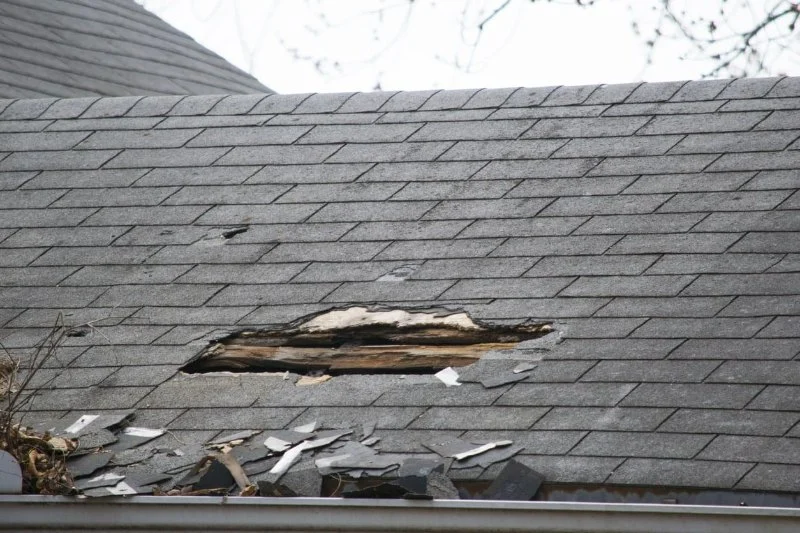
- Lifted or Missing Shingles: One of the most obvious signs of wind uplift is shingles that are lifted, curled, or completely missing from the roof. This can expose the underlayment and deck to water, causing leaks and further deterioration.
- Damaged Flashing: Flashing, which seals the joints around chimneys, vents, and skylights, can be pulled away by strong winds. Damaged flashing can lead to water penetration and increased risk of leaks.
- Loose or Buckled Roofing Materials: Roofing materials such as tiles or metal panels that are not securely fastened may buckle or shift due to wind uplift, leading to a compromised roof structure.
- Visible Roof Deck Damage: In severe cases, you may notice damage to the roof decking itself. If parts of the roof structure appear to be warped or cracked, it’s a sign of significant wind uplift damage.
These signs indicate that your roof has been affected by wind uplift and may require repairs or replacements to restore its integrity.

Holden Roofing (Houston Corporate) / holden roofing
RosenbergFort Bend CountyTexas
2128 1st St, Rosenberg, TX 77471, USA
3. How to Inspect Your Roof for Wind Uplift Damage
If you suspect wind uplift damage, conducting a thorough roof inspection is essential to assess the extent of the damage. Follow these steps for a basic roof inspection:
- Visual Inspection: Start by examining your roof from the ground using binoculars or a drone. Look for any signs of lifted, missing, or damaged shingles and flashing. Pay close attention to areas where the roof is most exposed to wind, such as the ridge and corners.
- Check the Attic: Inspect the underside of the roof in your attic for any signs of leaks or water stains. This can help you identify areas where the roof has been compromised by wind-driven rain or uplift.
- Examine Roof Components: Look at the roof’s structural components, including rafters, decking, and flashing. If you notice any bending, buckling, or warping, this could indicate that wind uplift has caused significant damage.
- Consult a Professional: If you find any signs of damage or if you’re unable to conduct a thorough inspection yourself, it’s a good idea to call a professional roofing contractor to evaluate the situation.
Regular inspections are essential for identifying wind uplift damage early, preventing further deterioration, and ensuring that your roof continues to protect your home.
4. Preventing Wind Uplift Damage
While you can’t always control the weather, there are steps you can take to minimize the risk of wind uplift damage:
- Proper Installation: Ensure that your roofing materials are securely installed. Roofing materials should be properly fastened to the deck to prevent wind from lifting them.
- Use Wind-Resistant Roofing Materials: Certain roofing materials, such as impact-resistant shingles, metal roofs, or tile roofs, offer greater resistance to wind uplift. Choosing these materials can help protect your roof in high-wind areas.
- Regular Roof Maintenance: Regular maintenance, such as cleaning gutters, replacing worn-out shingles, and inspecting flashing, can help keep your roof in good condition and reduce the chances of wind uplift damage.
- Reinforce Roof Structure: Strengthening the roof’s structure with additional bracing or using hurricane clips can help prevent uplift during severe windstorms.
Taking these preventive measures can help protect your roof from wind uplift damage, extend its lifespan, and reduce the need for costly repairs.
5. When to Call a Roofing Professional
If you notice any signs of wind uplift damage or if your roof has recently experienced a strong windstorm, it’s important to call a roofing professional. A roofing contractor can conduct a thorough inspection and assess the extent of the damage. In cases of severe damage, a professional will be able to recommend the best course of action, whether it’s repairing the affected area or replacing the entire roof.
Don’t wait too long to address wind uplift damage, as ignoring it can lead to more significant issues such as leaks, water damage, and structural compromise.


 J. Wrozek Roofing & Home Improvements4.0 (82 reviews)
 Advantage Roofing & Exteriors, Inc.4.0 (620 reviews)
 Lounsbury Roofing5.0 (11 reviews)
 Star Plus Group, LLC4.0 (84 reviews)
 Mighty Dog Roofing of Winston-Salem5.0 (15 reviews)
 Bestmark llc5.0 (1 reviews)
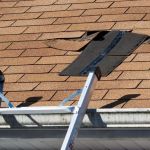 The Cost of Roof Repair: Average Prices for Common Fixes like Leaks and Shingles
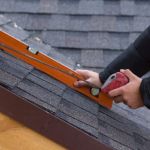 What to Do When Your Roof Fails a Home Inspection – Repair and Replacement Tips
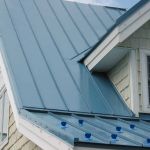 Average Cost to Replace Standing Seam Metal Roof
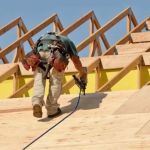 The Cost of Replacing Roof Decking: When and Why It's Necessary
 How to Safely Remove Moss and Algae from Your Roof: A Step-by-Step Guide
 The True Cost of a Roof Replacement When You Also Need New Decking