
- Why Wind Damage Is a Concern
- Identifying Creased Shingles
- Recognizing Lifted Shingles
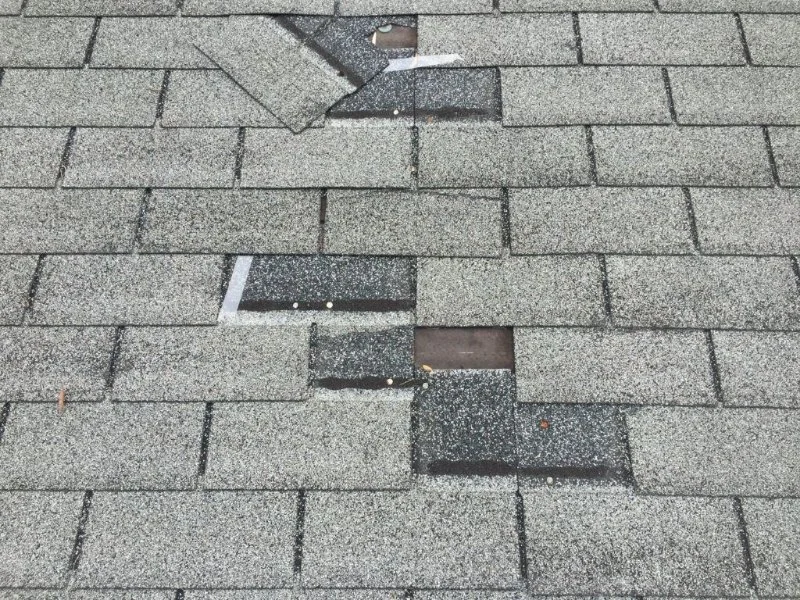
- Spotting Missing Shingles
- Steps to Take If You Spot Damage
Why Wind Damage Is a Concern
Wind damage is one of the most common causes of roof problems, especially in areas that experience severe storms. When wind speeds exceed certain thresholds, they can cause significant damage to the shingles and other roofing materials, leading to leaks, structural damage, and costly repairs. Recognizing the signs of wind damage early can save you money and prevent further complications.

Rapid Response Roofing / rapid response roofing
East GreenvilleMontgomery CountyPennsylvania
408 State St, East Greenville, PA 18041, USA
Identifying Creased Shingles
Creased shingles are a common sign of wind damage, especially when wind lifts the edges of the shingles without completely tearing them off. These creases can cause the shingles to lose their ability to protect your home from water infiltration. Here’s how to spot them:

Holden Roofing (Houston Corporate) / holden roofing
RosenbergFort Bend CountyTexas
2128 1st St, Rosenberg, TX 77471, USA
1. Look for Curled Edges
One of the first signs of creased shingles is curled edges. When high winds blow under the shingles, they can lift the edges, causing them to curl up. These creases may not be immediately visible from the ground, so it’s important to inspect the roof closely or call a professional for a more thorough examination.
2. Inspect for Cracks
Creased shingles may also crack over time. The wind can create tension in the shingle material, leading to visible cracks that compromise the roof’s integrity. These cracks may not be obvious at first, so it’s crucial to check for them during an inspection.
Recognizing Lifted Shingles
Lifting shingles occur when wind forces get under the edges of the shingles, causing them to lift off the roof surface. This type of wind damage is particularly concerning because it can expose the underlayment, leading to potential leaks. Here’s how to recognize lifted shingles:
1. Check for Gaps
Lifted shingles create gaps between the shingles themselves and the roof deck. These gaps can be large enough to allow water to seep through, leading to significant damage over time. Walk around the perimeter of your roof to look for any gaps that may indicate lifted shingles.
2. Observe Loose Shingles
Sometimes, the wind causes the shingles to become loose, even if they’re not fully lifted. You may notice loose shingles that flap in the wind or that move when touched. These shingles should be secured or replaced immediately to prevent further damage.
Spotting Missing Shingles
Missing shingles are the most obvious and concerning sign of wind damage. When wind gusts are strong enough to tear shingles off, they leave your roof vulnerable to leaks and water damage. Here’s how to spot missing shingles:
1. Look for Bare Spots
The most obvious sign of missing shingles is bare spots on your roof. These are areas where shingles have been completely torn off, leaving the underlayment exposed. Bare spots are a serious concern because they can allow water to penetrate the roof and cause further damage.
2. Inspect the Ground Around Your Home
After a windstorm, take a walk around your property to look for shingles that may have fallen off your roof. Finding shingles on the ground can be a sign that your roof has experienced significant wind damage, and missing shingles should be replaced immediately.
Steps to Take If You Spot Damage
If you suspect wind damage to your roof, here’s what you should do next:
1. Conduct a Thorough Inspection
Perform a roof inspection by looking for creased, lifted, or missing shingles. Be cautious when walking on the roof, or hire a professional to conduct the inspection if you're unsure about doing it yourself. Use binoculars to inspect the roof from a distance if you’re not comfortable getting on a ladder.
2. Document the Damage
Take photos of any visible damage, including creased or lifted shingles. This documentation will be helpful if you need to file an insurance claim or hire a contractor for repairs.
3. Call a Professional Roofer
If you find significant damage, contact a professional roofer for a more thorough inspection. A licensed roofer can assess the damage and recommend the best course of action to fix your roof and prevent future issues.
4. Schedule Timely Repairs
Don’t delay roof repairs. Addressing wind damage early can prevent leaks and other structural issues. A timely repair will ensure your roof continues to protect your home from the elements.
Conclusion
Wind damage to your roof can be costly if not addressed quickly. By learning how to spot creased, lifted, or missing shingles, you can take action to protect your home from further damage. If you're unsure about the condition of your roof or have noticed any of these issues, don’t hesitate to reach out to a professional roofer. For trusted roofing services and expert advice, visit Pro Found Roofing for all your roofing needs.


 Delmarva Siding-roofing contractor5.0 (1 reviews)
 Nova Construction and Roofing4.0 (62 reviews)
 B Kierce Remodeling Inc4.0 (4 reviews)
 Glory Bound Roofing Inc3.0 (21 reviews)
 Cambria Roofing & Remodeling3.0 (14 reviews)
 Callaway Corporations LLC4.0 (27 reviews)
 Does a New Roof Increase Your Home's Resale Value? A Look at the ROI | Pro Found Roofing
 The Pros and Cons of a Bonnet Roof Design for Porches and Overhangs
 The Average Cost of a Cedar Shake Roof: Installation and Maintenance Over Time
 How to Clean Your Roof with a Leaf Blower for Regular Debris Maintenance
 The True Cost of a Roof Replacement When You Also Need New Decking
 How to Choose a Roofing Contractor Who Specializes in Your Roof Type