- 1. Signs of Animal Nesting in Your Attic
- 2. Common Animals That Nest in Attics
- 3. Dangers of Animal Nesting in Your Attic
- 4. How to Safely Remove Animals from Your Attic
- 5. Preventing Future Animal Nesting
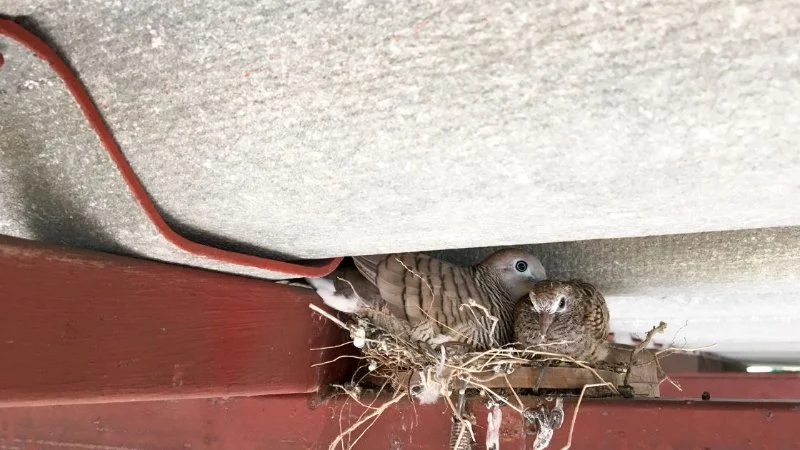
1. Signs of Animal Nesting in Your Attic
Animals nesting in your attic can be a serious problem, but the good news is that there are several signs to look out for that can help you catch the issue early. Common signs that animals have taken up residence in your attic include:
- Sounds at Night: If you hear scratching, scurrying, or thumping sounds at night, it's a clear sign that animals are active in your attic.
- Visible Entry Points: Look for holes or cracks in your roof, eaves, or vents where animals may have squeezed through.
- Droppings: Animal droppings are a strong indicator that pests are in your attic. These can be found near food sources or in areas where animals frequent.
- Gnawed Wood or Insulation: Some animals, like rodents, will chew on wood beams or insulation, leaving behind damage and evidence of their presence.
- Strange Odors: The smell of urine, feces, or decaying animals is a red flag that you have an infestation.
By recognizing these signs early, you can take proactive steps to address the problem before it gets worse.

Gunner Roofing / gunner roofing
CromwellLower Connecticut River Valley Planning RegionConnecticut
700 Corporate Row, Cromwell, CT 06416, USA
2. Common Animals That Nest in Attics
Many types of animals may seek shelter in your attic, depending on the location and time of year. The most common culprits include:
- Rats and Mice: These small rodents are frequent attic dwellers. They can squeeze through tiny gaps and are known for nesting in insulation and wall cavities.
- Squirrels: Squirrels are notorious for entering attics through holes in the roof or vents. They typically nest in the colder months.
- Bats: Bats often roost in attics, especially in the warmer months. Their droppings, called guano, can accumulate and cause significant damage.
- Raccoons: Raccoons are larger animals that can easily tear through weak spots in an attic. They are known for being very destructive once they enter.
- Opossums: Like raccoons, opossums can invade your attic looking for shelter. They are nocturnal and often make a lot of noise at night.
Understanding which animals are most likely to nest in your attic can help you take the appropriate steps to remove them.

Holden Roofing (Houston Corporate) / holden roofing
RosenbergFort Bend CountyTexas
2128 1st St, Rosenberg, TX 77471, USA
3. Dangers of Animal Nesting in Your Attic
Animal infestations in your attic can lead to numerous risks. Some of the dangers of having animals nesting in your attic include:
- Structural Damage: Animals may chew on beams, wires, insulation, and ductwork, causing significant damage to the structure of your home.
- Health Hazards: Animals carry diseases that can be transmitted through droppings, urine, or bites. Their nests may also attract parasites like fleas and ticks.
- Fire Hazards: Rodents often chew on electrical wiring, which can create a fire risk. Damaged insulation can also reduce the energy efficiency of your home.
- Odor Problems: The accumulation of droppings and urine can lead to unpleasant smells that are difficult to remove from your home.
The longer you wait to address the issue, the more severe these risks become. It's important to act quickly if you notice any signs of animal nesting in your attic.
4. How to Safely Remove Animals from Your Attic
If you suspect animals are nesting in your attic, it's crucial to remove them safely. Here's how you can go about it:
- Identify and Seal Entry Points: The first step is to locate and seal off any entry points to prevent more animals from entering. Look for gaps in vents, roofs, or walls.
- Set Traps or Use Repellents: Depending on the type of animal, you can set traps or use natural repellents to encourage the animals to leave.
- Call a Professional: For larger animals like raccoons or if you're unsure how to safely remove the animals, it's best to call a professional pest control service that specializes in humane removal.
- Clean the Area: After removal, clean up any nests, droppings, and other debris left behind. Disinfect the area to prevent disease transmission.
It’s always advisable to consult professionals for safe and humane removal of animals, especially when dealing with larger animals or dangerous pests.
5. Preventing Future Animal Nesting
Once you’ve dealt with an infestation, it's important to take steps to prevent it from happening again:
- Regular Inspections: Conduct regular inspections of your attic and roof to check for new entry points or signs of pests.
- Install Mesh Screens: Install mesh screens or caps over vents, chimneys, and other openings to keep animals from entering.
- Keep the Area Clean: Make sure there are no food sources that could attract pests. Store food properly and clean up any spills immediately.
- Maintain the Roof: Keep your roof in good repair to prevent animals from finding gaps or holes to get in.
Preventing future infestations requires vigilance, but with the right steps, you can keep your home safe from unwanted animal guests.
For more information on attic maintenance and animal control, visit Pro Found Roofing for expert services and products.

 Ale Home Improvement llc4.0 (31 reviews)
 Rex Roofing LLC5.0 (16 reviews)
 Safeties Construction Inc.0.0 (0 reviews)
 Epdm Roofing NJ5.0 (28 reviews)
 Clarke Roofing & Siding5.0 (2 reviews)
 Buchanan Contracting Services LLC5.0 (18 reviews)
 How to Spot Curling Shingles and What Causes This Common Problem
 What is a Roofing Square? How to Calculate the Area of a Hip Roof
 Common Roofing Terms Every Homeowner Should Know Before Talking to a Contractor
 htmlCopy codeThe True Cost of a Built-Up Roof (BUR) with Gravel for a Commercial Building
 The Pros and Cons of Installing a Roof Overlay vs Full Replacement
 Energy-Efficient 'Cool Roofs': How They Can Significantly Lower Your Cooling Bills