
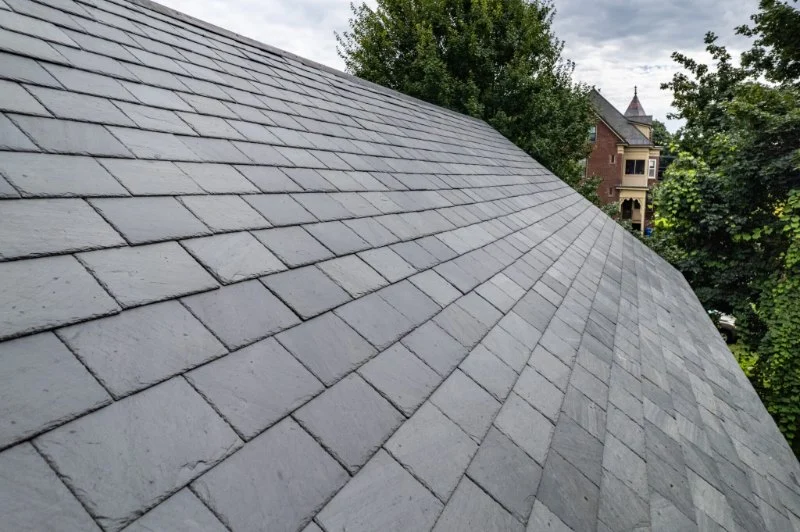
1. Introduction: Choosing the Right Roofing Material for Longevity
When it comes to replacing or installing a new roof, one of the most important factors to consider is the lifespan of the roofing material. Roofs are a significant investment in your home, and you want to choose a material that provides long-term durability and value. In this article, we’ll compare the lifespans of four popular roofing materials: asphalt, metal, tile, and slate. We’ll also discuss their advantages, maintenance requirements, and the factors that can affect their longevity.
Lance Roofing & Siding Inc. / lance roofing and siding
6903 Dayton Springfield Rd, Enon, OH 45323, USA
2. Asphalt Roofing: The Most Common Choice
2.1 Asphalt Roof Lifespan
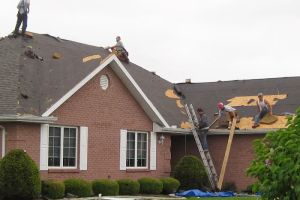
Asphalt shingles are one of the most common roofing materials in the United States, thanks to their affordability and ease of installation. The average lifespan of an asphalt roof is between 15 to 30 years, depending on the quality of the shingles, climate, and maintenance. Higher-quality asphalt shingles, such as architectural shingles, tend to last longer than basic three-tab shingles.

Holden Roofing (Houston Corporate) / holden roofing
RosenbergFort Bend CountyTexas
2128 1st St, Rosenberg, TX 77471, USA
2.2 Benefits of Asphalt Roofing
Asphalt roofing is an affordable option that offers quick installation and a variety of styles. It is also widely available and suitable for most types of homes. Additionally, asphalt shingles come in many colors and can mimic the appearance of more expensive materials like wood or slate. Proper maintenance, such as cleaning gutters and checking for loose shingles, can extend the lifespan of an asphalt roof.
2.3 Drawbacks of Asphalt Roofing
While affordable, asphalt roofs have a shorter lifespan compared to other materials like metal or slate. They are also more prone to damage from extreme weather conditions, such as high winds or hail. Asphalt shingles may also lose their color and become brittle over time, leading to cracking or curling.
3. Metal Roofing: Durable and Long-Lasting
3.1 Metal Roof Lifespan
Metal roofing is known for its exceptional durability and can last significantly longer than asphalt. On average, a metal roof can last 40 to 70 years, depending on the type of metal and the quality of the installation. Materials like steel, aluminum, and copper all offer different advantages in terms of lifespan, with copper often lasting the longest.
3.2 Benefits of Metal Roofing
One of the biggest benefits of metal roofing is its longevity. Metal roofs are resistant to extreme weather conditions, including high winds, snow, and hail. They also reflect heat, which can help improve energy efficiency in your home. Metal roofs require very little maintenance and are environmentally friendly, as they can often be made from recycled materials and are 100% recyclable at the end of their lifespan.
3.3 Drawbacks of Metal Roofing
Metal roofing is more expensive than asphalt shingles, both in terms of material and installation costs. Additionally, metal roofs can be noisy during heavy rain or hail, though this can be mitigated with proper insulation. Some homeowners may also find the aesthetic of metal roofing less appealing, as it can have a more industrial look, though modern designs have improved the visual appeal of metal roofs.
4. Tile Roofing: Timeless and Sturdy
4.1 Tile Roof Lifespan
Tile roofing, made from materials like clay or concrete, is known for its long lifespan, often lasting between 50 to 100 years with proper care. Clay tiles are particularly durable and can withstand extreme weather conditions, making them ideal for homes in areas prone to hurricanes or severe storms. Tile roofs are also resistant to fire and pests, adding another layer of protection to your home.
4.2 Benefits of Tile Roofing
Tile roofs offer excellent durability and can significantly enhance the curb appeal of your home. They come in a variety of styles, colors, and designs, making them a popular choice for Spanish-style or Mediterranean homes. Tile is also energy-efficient, helping to keep your home cool in the summer and warm in the winter. It requires very little maintenance and is resistant to rot and insects.
4.3 Drawbacks of Tile Roofing
While tile roofs are extremely durable, they are also heavy and may require additional structural support, which can add to the installation cost. Additionally, tile roofs can be more expensive than asphalt and may require more complex installation. Tiles can also crack or break if walked on, so maintenance should be done carefully to avoid damaging the roof.
5. Slate Roofing: The Longest-Lasting Option
5.1 Slate Roof Lifespan
Slate roofing is renowned for its extreme longevity, often lasting over 100 years with proper maintenance. Slate tiles are made from natural stone, which makes them one of the most durable and long-lasting roofing materials available. Slate is resistant to fire, water, and extreme weather conditions, making it an excellent choice for homeowners looking for a permanent roofing solution.
5.2 Benefits of Slate Roofing
Slate roofs offer unmatched durability and longevity, which can be an excellent investment for a home. They are also aesthetically pleasing, often associated with high-end, historic, or luxury homes. Slate is resistant to pests, mold, and rot, and it can be customized to fit various styles and designs. Additionally, slate is a sustainable and eco-friendly material, as it is natural and has minimal environmental impact.
5.3 Drawbacks of Slate Roofing
Slate roofing is expensive, both in terms of material and installation. It requires highly skilled installers, which can increase labor costs. Slate is also very heavy, so your home may need additional structural support. Despite its many benefits, slate may not be a practical option for every homeowner due to its high initial cost.
6. Conclusion: Choosing the Right Roof for Your Home
Choosing the right roofing material depends on your budget, aesthetic preferences, and long-term goals. Asphalt is a great option for budget-conscious homeowners looking for a reliable roof that lasts for a reasonable amount of time. Metal roofing offers impressive durability with a higher initial cost, while tile and slate roofs provide the ultimate longevity and elegance, though they come with higher installation expenses. Understanding the pros and cons of each material will help you make an informed decision for your home.
If you’re ready to choose the best roofing material for your home or need professional assistance, visit Pro Found Roofing for expert advice and quality roofing products. Our team can help you select the right roofing material that fits your needs and budget.

 Seipp Roofing, LLC4.0 (11 reviews)
 Wright Roofing Limited5.0 (2 reviews)
 All American Renovations0.0 (0 reviews)
 My Roofers0.0 (0 reviews)
 Edge View Roofing5.0 (42 reviews)
 BRD Roofing Inc.4.0 (2 reviews)
 Temporary Roof Leak Repair: What to Do Until the Roofing Contractor Arrives
 Preparing Your Roof for a Hurricane: Steps to Take Before the Storm Hits | Pro Found Roofing
 Flat Roofs vs. Sloped Roofs: Which One Should You Choose?
 How Roofing Affects Home Resale Value in the U.S. Market
 How to Remove Snow from Your Roof Safely Without Damaging Shingles
 Rubber EPDM Roofing: Pros, Cons, and Best Uses for Flat and Low-Slope Roofs | Pro Found Roofing