
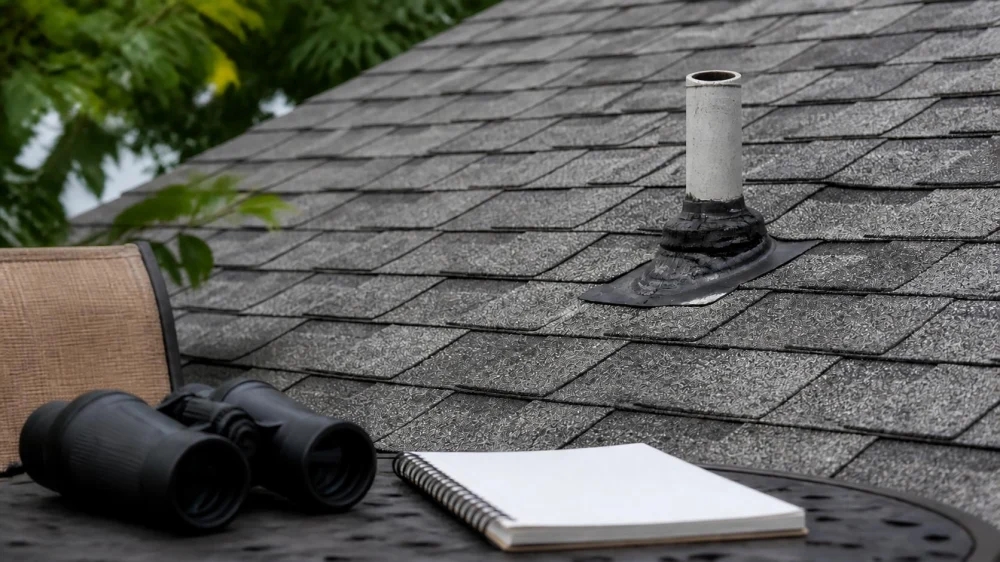
Roof Pipe Boot Warning Signs: Check From the Ground
On this page
Quick answer
A roof pipe boot seals the plumbing vent penetration while allowing the pipe to pass through the roof. Cracked rubber, lifted flashing, rust, exposed fasteners, staining, or a leak near the pipe can signal failure. Observe with zoom from the ground and check the attic safely; do not climb onto the roof or smear sealant over the area.
Call a qualified roofer promptly for active leakage, damaged decking, or a displaced boot. Water near wiring, a sagging ceiling, or structural movement requires immediate isolation and professional help.
Victors Home Solutions / victors roofing
2722 E Michigan Ave suite 239, Lansing, MI 48912, USA
What a pipe boot does
The assembly typically includes a flashing base integrated with the shingles and a collar that seals around the vent pipe. Materials may be plastic, metal, rubber, silicone, or combinations. The exact repair must match the pipe, roof covering, slope, climate, and manufacturer requirements.
A plumbing vent must remain open and correctly sized. Never cap, shorten, or obstruct it to stop a roof leak.

Holden Roofing (Houston Corporate) / holden roofing
RosenbergFort Bend CountyTexas
2128 1st St, Rosenberg, TX 77471, USA
Ground-level clues
- a collar that looks split, curled, or separated from the pipe;
- metal rust, cracks, or a bent flashing base;
- shingles lifted or damaged around the penetration;
- exposed, backed-out, or heavily sealed fasteners;
- dark staining below the vent after rain; or
- a pipe that appears tilted or unusually short.
Use consistent photos after storms to track change. Visual clues do not prove the leak source because water can travel under roofing.
Interior and attic clues
From a safe attic walkway, use a torch to look for wet sheathing, dark rings, rusted nails, damp insulation, or daylight near the pipe. Do not step between framing members or touch wet electrical components.
On ceilings, note stain edges and whether they grow after wind-driven rain. Mark the date and weather. A dry inspection does not rule out intermittent leakage.
Why boots fail
Sun, heat, freezing, age, pipe movement, poor flashing sequence, incompatible materials, wildlife, hail, and foot traffic can damage the seal. A repair that replaces only surface caulk may leave failed flashing or decking underneath.
Condensation on the vent pipe can resemble a roof leak. The roofer and plumber may need to distinguish exterior water entry from interior moisture.
What a repair should address
A complete repair may require removing surrounding shingles, inspecting deck condition, replacing the boot, integrating flashing layers, using approved fasteners, and restoring shingles. A retrofit collar may be appropriate for some sound assemblies, but not every failure.
Ask for before, during, and after photos. Any rotten decking or pipe movement should be documented and corrected by the appropriate trade.
Questions for the roofer
- Is the boot or another detail the confirmed source?
- What material and service life are expected?
- Will surrounding shingles and deck be inspected?
- How is flashing integrated with underlayment?
- Are plumbing changes needed?
- What warranty covers the repair?
- Will water testing be used safely?
Inspection checklist
- Use ground zoom, not roof access.
- Photograph collar, base, shingles, and fasteners.
- Record interior stains and weather timing.
- Keep clear of wet wiring and sagging ceilings.
- Do not cap the vent or add random sealant.
- Request deck inspection and progress photos.
- Coordinate a plumber if the pipe moves or is altered.
Frequently asked questions
Can I caulk the crack?
A surface patch may hide a larger failure. Ask a roofer for the correct repair.
How long do pipe boots last?
Material, exposure, installation, and roof conditions vary; inspect regularly.
Why is the ceiling stain away from the pipe?
Water can travel along decking or framing before appearing indoors.
Can the plumbing vent be capped?
No. Vent function is essential and must follow plumbing code.
Is condensation possible?
Yes. A professional should distinguish it from rain entry.
Should the boot be replaced with the roof?
Ask the roofer; penetrations are normally evaluated as part of replacement scope.
Sources and evidence notes
The roof-covering, flashing, underlayment, and pipe-boot manufacturer instructions plus adopted roofing and plumbing codes control the assembly. Products and local requirements vary.
Diagnosing a leak requires tracing the water path and inspecting concealed conditions. A qualified roofer should avoid relying on surface sealant alone when the flashing or deck has failed.
Conclusion and next steps
Track pipe-boot condition from the ground and attic, document stains after weather, and call a roofer for cracks, displacement, rust, or leakage. Do not climb, cap the vent, or apply an unexplained patch. Require inspection of surrounding shingles, flashing, and deck with clear photos.



 UV Exteriors4.0 (44 reviews)
 Allan Roofing4.0 (25 reviews)
 Tankersley Roofing Co4.0 (10 reviews)
 Staunton Roofing Pros5.0 (1 reviews)
 Shetler Brothers Roofing, LLC4.0 (19 reviews)
 Cedar Roof Guys0.0 (0 reviews)
 What to Do When Your Roof Fails a Home Inspection
 How to Repair a Leaking Roof on a Mobile Home with a Metal Roof
 How to Tell If Your Roof Was Installed Properly | Pro Found Roofing
 The True Cost of a Roof Inspection from a Structural Engineer vs. a Roofer
 Everything You Need to Know About Insurance Claims for Roof Damage
 How to Prepare Your Roof for Hurricane Season: Essential Tips for Homeowners