
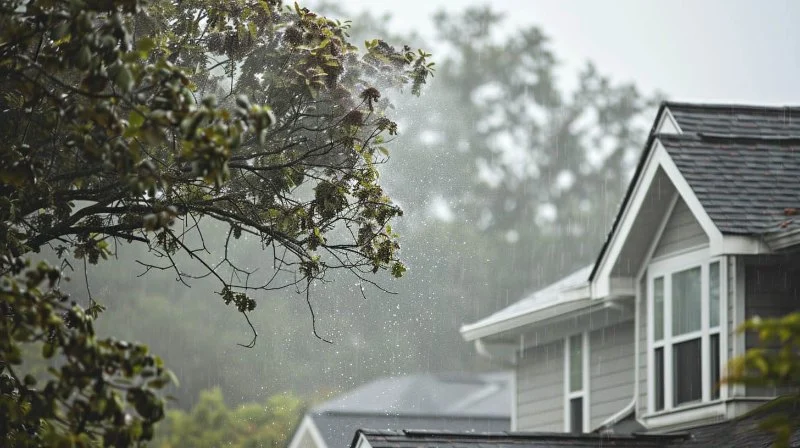
How to Prepare Your Roof for Hurricane Season
- Why Roof Preparation is Critical Before Hurricane Season
- Step 1: Inspect Your Roof
- Step 2: Repair and Maintain Your Roof
- Step 3: Reinforce Your Roof for Storms
- Step 4: Choosing the Right Roofing Materials
1. Why Roof Preparation is Critical Before Hurricane Season
When hurricane season approaches, one of the most important things homeowners need to do is prepare their roofs. Strong winds, torrential rain, and flying debris can wreak havoc on an unprepared roof, leading to costly repairs and dangerous situations. A well-maintained roof not only protects your home from water damage but also ensures the safety of your family during a storm.
In this article, we’ll guide you through the steps necessary to get your roof ready for the hurricane season. By taking preventive measures now, you can reduce the risk of significant damage when a hurricane strikes.

Holden Roofing (Houston Corporate) / holden roofing
RosenbergFort Bend CountyTexas
2128 1st St, Rosenberg, TX 77471, USA
2. Step 1: Inspect Your Roof
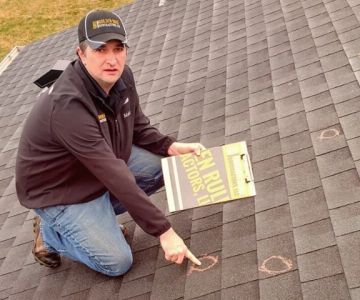
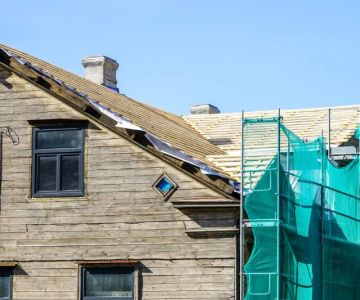
The first step in preparing your roof is a thorough inspection. Regular inspections help identify any issues that could compromise the integrity of your roof during a hurricane.

JK Contractors / jk roofing
West BendOzaukee CountyWisconsin
3058 County Rd Y, West Bend, WI 53095, USA
Check for Loose or Missing Shingles
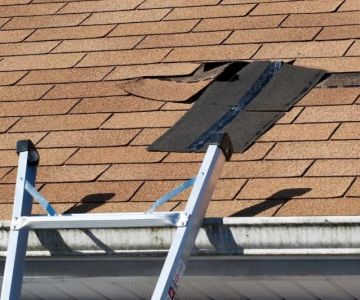
Inspect your roof for any missing, cracked, or loose shingles. High winds can easily lift up damaged shingles, leading to leaks and further damage to your home. If you notice any shingles that are compromised, they should be replaced or secured immediately.
Inspect Flashing and Seals
Flashing is the metal or other materials around chimneys, vents, and skylights. Over time, flashing can become worn or loosened, allowing water to seep into your home. Ensure that all flashing is in good condition, and reseal any gaps around vents and chimneys.
Check for Debris
Leaves, branches, and other debris can accumulate on your roof, causing drainage issues or even attracting more debris during a storm. Make sure the roof is clean and free from any obstructions.
3. Step 2: Repair and Maintain Your Roof
Once you've inspected your roof, it's time to make necessary repairs. Neglecting minor issues now can lead to major problems during a hurricane.
Fix Minor Cracks and Leaks
Cracks in your roof or small leaks may seem insignificant, but they can quickly escalate into larger issues during a hurricane. Use roofing cement or a suitable sealant to patch up small cracks, or consider replacing a section of the roof if the damage is extensive.
Clean Gutters and Downspouts
Clogged gutters and downspouts can prevent proper drainage, leading to water pooling on your roof. Clear any debris from your gutters and make sure water can flow freely away from your roof. You may also want to install gutter guards to prevent debris from accumulating in the future.
4. Step 3: Reinforce Your Roof for Storms
Reinforcing your roof can make a significant difference in how well it stands up to hurricane-force winds. Here are a few ways to strengthen your roof:
Install Hurricane Straps
Hurricane straps are metal connectors that secure the roof to the walls and foundation of your home. These straps help prevent the roof from being torn off during high winds. If you live in a hurricane-prone area, consider installing or upgrading these straps for added security.
Use Impact-Resistant Roofing Materials
Consider using roofing materials that are specifically designed to withstand high winds and flying debris. Materials like metal roofing or concrete tiles are often more durable and resistant to storm damage than traditional asphalt shingles.
5. Step 4: Choosing the Right Roofing Materials
When building a new roof or replacing an old one, selecting the right materials can make all the difference in terms of durability and hurricane resistance. Some of the best materials for hurricane-prone areas include:
Metal Roofing
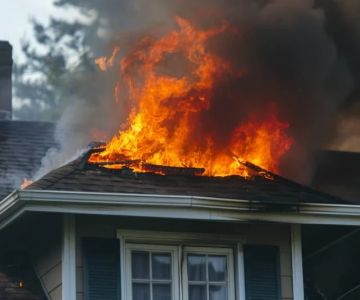
Metal roofs are strong, durable, and can withstand high winds and flying debris. They’re also fire-resistant, making them an excellent choice for hurricane season.
Concrete or Clay Tiles
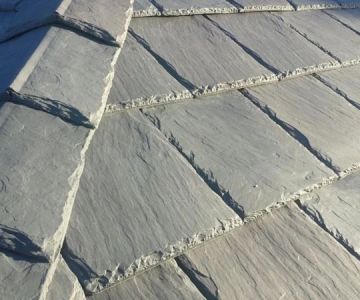
Concrete and clay tiles are heavy and highly resistant to wind damage. However, they can be more expensive to install, so make sure to weigh the long-term benefits against the initial cost.
Impact-Resistant Shingles
If you prefer traditional shingles, opt for impact-resistant ones that are specifically designed to withstand hurricane-force winds. These shingles are often reinforced with fiberglass or polymers to increase their strength.
 Assurance Roofing, LLC4.0 (35 reviews)
 ARS Accurate Roofing Systems5.0 (2 reviews)
 Romeoville Roofing Contractors5.0 (28 reviews)
 Epa Construction Corp4.0 (291 reviews)
 GIP RESTORATION SERVICES INC5.0 (66 reviews)
 NexGen Exteriors LLC0.0 (0 reviews)
 The Signs of Animal Nesting in Your Attic and How to Remove Them Safely
 How to Spot Early Signs of Roof Damage Before It’s Too Late
 How to Find a Reliable Roofing Contractor Near You
 The Average Lifespan of an Asphalt Shingle Roof in Different Climate Zones
 Top Mistakes Homeowners Make During Roof Repairs – How to Avoid Them
 Roof Replacement Permit Cost Explained