
- why-roof-condition-matters-for-solar - understanding-the-connection
- installing-solar-on-an-old-roof - risks-and-considerations
- benefits-of-roof-replacement-before-solar - long-term-advantages
- real-homeowner-experiences - lessons-from-solar-installations
- how-to-plan-roof-and-solar-projects - practical-homeowner-guidance
Why Roof Condition Matters Before Installing Solar Panels
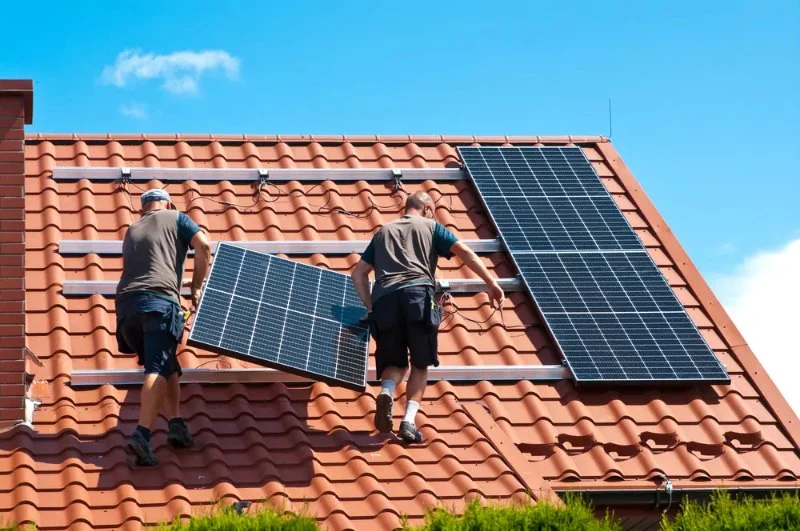
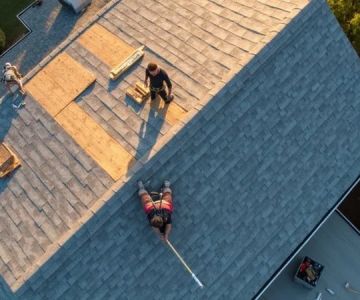
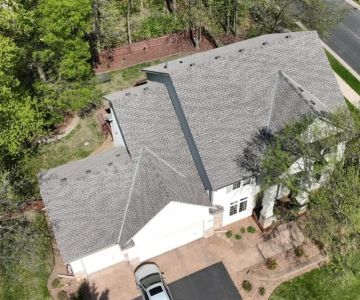
One of the most common questions homeowners ask when considering renewable energy upgrades is: roof replacement before or after solar installation? The answer often depends on the current condition of the roof, its expected lifespan, and the complexity of the solar panel system.
Victors Home Solutions / victors roofing
2722 E Michigan Ave suite 239, Lansing, MI 48912, USA
1. Solar Panels Are Built to Last for Decades
Modern solar panels typically last between 25 and 30 years. That means the roof beneath them needs to remain structurally sound for just as long. Installing solar panels on a roof that may need replacement within the next 10 years could lead to unnecessary costs later.
Absolute Roofing / absolute roofing
TimoniumBaltimore CountyMaryland
22 W Padonia Rd # B229, Timonium, MD 21093, USA
2. Solar Installations Attach Directly to the Roof Structure
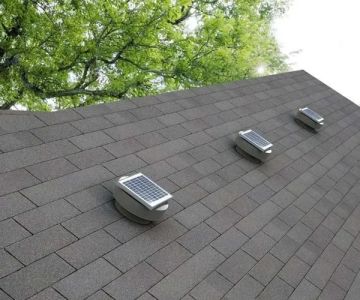
Solar mounting systems are installed through roofing materials and secured into the roof framing. This makes the roof and solar system closely connected. If roof repairs are required later, the solar panels may need to be temporarily removed.
Installing Solar Panels on an Older Roof: What Could Happen
Some homeowners consider installing solar panels first and worrying about roof replacement later. While this may seem convenient initially, it can introduce complications.
1. Higher Future Costs
If a roof needs replacement after solar panels are installed, technicians must remove and reinstall the solar system before roofing work can begin. This process adds labor costs and extends the project timeline.
Example from a Real Homeowner
A homeowner in Arizona shared online that installing solar panels on a 15-year-old roof seemed fine at the time. However, when roof shingles started failing five years later, they had to pay thousands of dollars to remove and reinstall the solar panels during roof replacement.
2. Potential Structural Concerns
Older roofs may not be designed to support the additional load of solar panel systems. While solar panels are not extremely heavy, proper roof integrity is essential for long-term safety.
Benefits of Replacing the Roof Before Solar Installation
For many homeowners, replacing the roof before installing solar panels is the most practical and cost-effective decision.
1. Long-Term Project Efficiency
Completing roof replacement first ensures the roof will last as long as the solar system. This alignment avoids unnecessary removal costs later.
2. Opportunity to Upgrade Roofing Materials
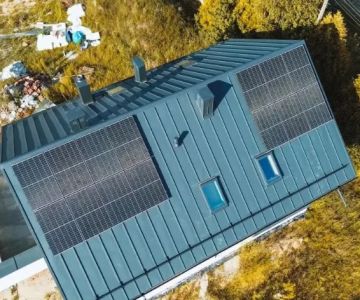
When planning solar installations, homeowners sometimes choose roofing materials that work well with solar mounting systems. Metal roofing, for example, often provides durable and solar-friendly installation options.
3. Improved Energy Efficiency
New roofing systems can improve insulation and ventilation. When combined with solar energy production, these upgrades contribute to a more energy-efficient home.
What Homeowners Have Learned from Solar and Roofing Projects
Across the United States, more homeowners are combining roof replacement with solar installation as part of a single renovation strategy.
1. Coordinating Projects Saves Time
Some homeowners schedule roofing contractors and solar installers to work closely together. This coordination reduces installation delays and ensures mounting systems integrate properly with the new roof.
2. Planning Prevents Unexpected Repairs
A homeowner in California reported that replacing their roof first prevented hidden structural problems from interfering with solar installation. During the roofing process, contractors discovered minor wood damage that could have complicated solar panel mounting.
How to Plan Roof Replacement and Solar Installation Together
Proper planning can make both projects smoother and more cost-effective.
1. Start with a Professional Roof Inspection
A roofing professional can evaluate the age, materials, and condition of the roof to determine whether replacement is necessary before solar installation.
2. Consider Your Roof's Remaining Lifespan
If the roof has less than 10–15 years of life remaining, replacing it first is often the best long-term solution.
3. Work with Experienced Roofing Specialists
Homeowners looking for reliable roofing guidance can explore professional solutions through Pro Found Roofing, where roofing expertise helps ensure that roof replacement and solar installations work together effectively.
Deciding on roof replacement before or after solar installation ultimately depends on the roof's condition and long-term home improvement goals. With careful planning and expert advice, homeowners can avoid unnecessary costs and create a roofing system that supports solar energy for decades.
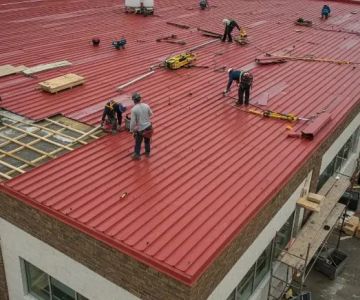
 Sav A Roof Inc4.0 (126 reviews)
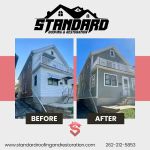 Standard Roofing & Restoration5.0 (28 reviews)
 Top Pro Roofing Repair & Installation Englewood5.0 (4 reviews)
 John Haley3.0 (4 reviews)
 A&M Roofing Services3.0 (6 reviews)
 Legacy Roofing Company4.0 (6 reviews)
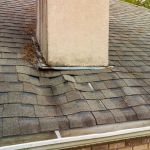 How to Identify Roof Leaks and Prevent Further Damage | Pro Found Roofing
 How Long Should You Wait to Replace Your Roof After a Major Storm?
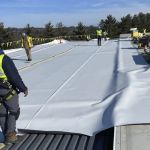 The Process of Installing a TPO Roof with Welded Seams for a Perfect Seal
 How to Deal with Roofing Scams and Avoid Contractor Fraud
 Does a New Roof Increase Your Home's Resale Value? A Look at the ROI | Pro Found Roofing
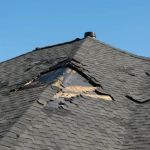 How to Make an Insurance Claim for a Roof That is Leaking Due to Age