
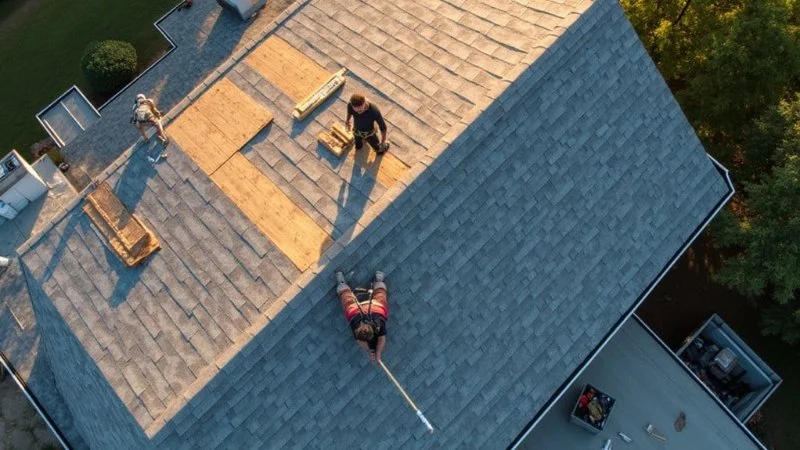
- Understanding Roof Replacement Costs
- Factors Affecting Roof Replacement Costs
- Average Roof Replacement Cost in 2026
- How to Choose a Roofing Material
- Real-Life Example of Roof Replacement
Understanding Roof Replacement Costs
Replacing a roof is one of the most significant home improvement expenses a homeowner can face. The cost of roof replacement in 2026 can vary greatly depending on a variety of factors, including the type of material used, the size of the roof, and the location of the home. Understanding these factors and having a clear idea of what to expect can help you budget effectively and make informed decisions when it’s time for a new roof.
Roof replacement is typically required every 20-25 years, depending on the materials used and how well the roof has been maintained. With the growing awareness of energy efficiency and the latest advancements in roofing technology, many homeowners are opting for newer materials and designs that can improve the overall energy performance and aesthetic of their homes.

SB Pro Roofing / sb pro roofing
Pinellas ParkPinellas CountyFlorida
6358 49th St N, Pinellas Park, FL 33781, USA
Factors Affecting Roof Replacement Costs
Several factors contribute to the overall cost of replacing a roof. These include:
- Roof Size: Larger roofs will naturally cost more to replace. The square footage of the roof plays a significant role in determining the total cost of materials and labor.
- Roofing Material: The type of roofing material you choose will have a substantial impact on cost. Popular options like asphalt shingles are typically more affordable, while premium materials like slate, tile, or metal roofing can significantly increase the price.
- Roof Pitch and Complexity: A roof with a steep pitch or intricate design can be more challenging to replace, which may increase labor costs. If the roof has multiple sections, dormers, or skylights, the complexity will also affect the price.
- Labor Costs: Labor costs can vary by region. Labor in cities or areas with a higher cost of living may be more expensive, impacting the overall price of your roof replacement project.
- Geographical Location: Roofing prices can also vary depending on where you live. For example, the cost of roofing materials and services may be higher in coastal areas due to the increased demand for durable, weather-resistant roofs.
Average Roof Replacement Cost in 2026
In 2026, the average cost to replace a roof in the United States ranges from $5,000 to $10,000. However, this can vary widely depending on the factors mentioned earlier. Here are some general estimates for different types of roofing materials:
- Asphalt Shingles: $3,000 - $8,000 for an average-sized roof (1,500 to 2,000 square feet). Asphalt shingles remain one of the most popular and cost-effective roofing materials.
- Metal Roofing: $7,000 - $14,000 for a typical roof. Metal roofs are more durable and energy-efficient but come with a higher initial cost.
- Wood Shingles or Shakes: $6,000 - $12,000. Wood roofing is a more aesthetically pleasing option, but maintenance costs can be higher over time.
- Slate Roofing: $15,000 - $30,000. Slate is a premium material with a long lifespan, but it’s also much more expensive than other options.
- Tile Roofing: $10,000 - $20,000. Tile roofs are common in warmer climates and offer excellent durability but at a higher cost.
How to Choose a Roofing Material
When replacing your roof, choosing the right material is a key decision that will affect both the cost and longevity of the roof. Here are some factors to consider when selecting roofing materials:
- Climate and Weather Conditions: Consider your local climate when selecting roofing materials. For example, metal roofs are excellent for areas with heavy rainfall or snow, while clay or tile roofs are ideal for warmer, dry climates.
- Budget: Asphalt shingles are a cost-effective option for homeowners on a budget, while materials like slate or metal may be better for those looking for durability and longevity.
- Home Aesthetics: The appearance of your roof can have a significant impact on your home’s curb appeal. Tile, wood, and slate offer unique aesthetic benefits compared to standard asphalt shingles.
- Energy Efficiency: Some roofing materials, such as metal, are highly energy-efficient, helping to reduce cooling costs in hot climates. Consider how the material may affect your home’s energy performance.
Real-Life Example of Roof Replacement
Consider the case of the Smith family, who live in a suburban home in Florida. Their roof, made of asphalt shingles, was nearing the end of its lifespan after 20 years. They started experiencing small leaks and noticed their energy bills were increasing due to poor insulation in the attic.
After researching roofing options, they decided to replace their old roof with a new metal roof. The total cost of the project was $12,000, but the metal roof provided greater durability and energy efficiency. Over the next few years, the Smiths noticed a reduction in their cooling bills and felt confident knowing their new roof would last for 40 years or more.
This real-life example highlights the importance of not just considering the upfront cost of roof replacement but also the long-term savings and benefits of investing in quality roofing materials.
If you’re looking to replace your roof, visit Pro Found Roofing to find the best roofing products and professional services to fit your needs and budget.

 Hershberger Roofing & Siding4.0 (22 reviews)
 Brookhaven Roofing And Siding0.0 (0 reviews)
 Coastal Crest Roof Masters0.0 (0 reviews)
 Tri-County Roofing & Gutters4.0 (291 reviews)
 Orezona Building & Roofing Co. Inc.4.0 (34 reviews)
 Roofing By Hernandez4.0 (190 reviews)
 Understanding Roofing Crickets: How to Frame One for a Large Chimney
 How to Identify and Repair Damage from a Recent Earthquake to Your Roof – Pro Found Roofing
 The Importance of Roof-to-Wall Flashing in Preventing Leaks at Intersections
 The Best Tools for a DIY Roof Repair Kit for Emergency Fixes
 How to Seal a Plastic Pipe Vent That is Leaking | Roofing Boot Explained
 The True Cost of a Roof Inspection: Why a Thorough One is Worth Paying For