1. Understanding Roof Ventilation and Its Importance
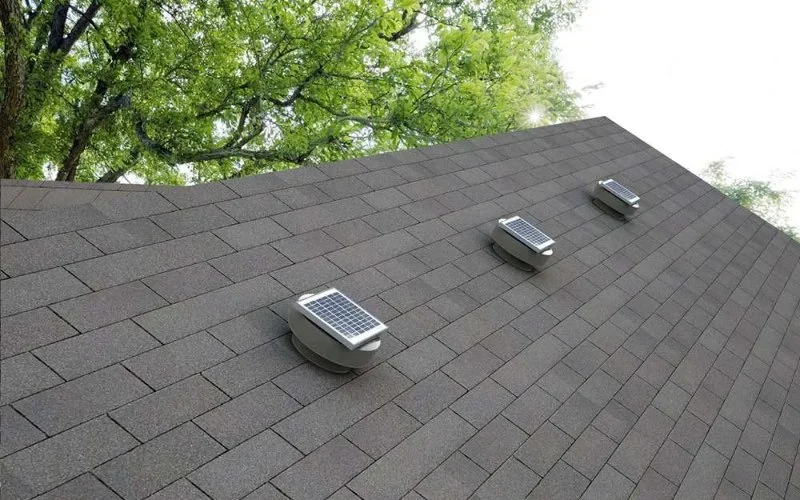
Roof ventilation plays a crucial role in maintaining the health of your home. It allows for proper airflow in your attic and helps to regulate temperature and moisture levels. Without effective ventilation, heat and moisture can build up in the attic, leading to various issues such as mold, rot, and structural damage. Proper roof ventilation not only extends the lifespan of your roof but also helps to improve the energy efficiency of your home. Understanding roof ventilation problems and how to address them can save you from costly repairs down the road.

JK Contractors / jk roofing
West BendOzaukee CountyWisconsin
3058 County Rd Y, West Bend, WI 53095, USA
2. Common Signs of Roof Ventilation Problems
If your roof is suffering from ventilation issues, there are several telltale signs you should watch out for. These signs often point to poor airflow, excessive heat buildup, or trapped moisture in your attic. Here are the most common symptoms:

Rapid Response Roofing / rapid response roofing
East GreenvilleMontgomery CountyPennsylvania
408 State St, East Greenville, PA 18041, USA
2.1 Excessive Heat in the Attic
One of the most obvious signs of poor roof ventilation is excessive heat in the attic, particularly during the summer months. Without proper ventilation, the attic can become a heat trap, leading to a significant temperature difference between the attic and the rest of the home. This can cause discomfort and strain your cooling system, making your home harder to cool during the summer.
2.2 Mold and Mildew Growth
Excess moisture buildup due to poor ventilation can lead to mold and mildew growth in your attic. This not only affects the air quality in your home but can also damage the structure of your roof and insulation. If you notice musty smells or see dark spots on the roof decking, it’s a clear indication of mold growth caused by trapped moisture.
2.3 Roof and Shingle Damage
When attic temperatures soar due to poor ventilation, the excess heat can cause the roofing materials to deteriorate prematurely. This can lead to warped or damaged shingles, which can be costly to repair or replace. If you notice your shingles curling or cracking, it might be due to excessive heat buildup in the attic.
2.4 Ice Dams in Winter
Ice dams are another common problem caused by inadequate roof ventilation. In winter, when warm air from the attic melts the snow on your roof, the water can refreeze at the eaves, forming ice dams. These dams prevent proper drainage, leading to water backing up under the shingles and potentially causing leaks in your home.
3. Solutions to Fix Roof Ventilation Issues
If you've identified any of the signs of roof ventilation problems, it's time to take action. Addressing these issues quickly can prevent further damage to your roof and home. Here are some common solutions:
3.1 Install or Upgrade Attic Ventilation
One of the most effective ways to improve roof ventilation is to install or upgrade attic vents. There are different types of vents to consider:
- Ridge Vents: Located at the peak of the roof, ridge vents provide continuous ventilation along the roofline, allowing warm air to escape from the attic.
- Soffit Vents: Installed in the eaves of the roof, soffit vents allow cooler air to enter the attic, balancing airflow with ridge vents.
- Gable Vents: Placed at the gable ends of the roof, gable vents allow hot air to escape and can be used in combination with other types of vents.
Adding or upgrading these vents helps improve the overall airflow and reduces the buildup of heat and moisture in the attic.
3.2 Insulation Improvements
Proper insulation plays a critical role in maintaining good roof ventilation. If your attic insulation is insufficient or poorly installed, it can trap heat in the attic and reduce the effectiveness of your ventilation system. Adding or replacing insulation can help maintain a balanced temperature and humidity level in your attic, improving both ventilation and energy efficiency.
3.3 Install a Vapor Barrier
A vapor barrier can help reduce the amount of moisture entering your attic from the living spaces below. This is particularly helpful in areas with high humidity or during the winter months. By preventing moisture from entering the attic, a vapor barrier helps to reduce the risk of mold growth and wood rot caused by poor ventilation.
4. How Much Does it Cost to Fix Roof Ventilation Problems?
The cost of addressing roof ventilation problems can vary depending on the severity of the issue, the type of solutions required, and the size of your home. Here’s a breakdown of potential costs:
4.1 Installing Vents
Adding or replacing roof vents can cost anywhere from $300 to $1,500, depending on the number of vents needed and the type of ventilation system installed. Ridge vents typically cost more than soffit vents due to their complexity and installation requirements.
4.2 Insulation Replacement
Replacing or upgrading attic insulation can range from $1,000 to $2,500, depending on the size of the attic and the type of insulation used. However, this investment can save money in the long run by improving energy efficiency and extending the lifespan of your roof.
4.3 Vapor Barrier Installation
Installing a vapor barrier can cost between $500 and $2,000, depending on the size of your attic and the materials used. The price will vary depending on whether you are installing a simple plastic barrier or a more advanced system that also addresses air leaks.
5. How to Prevent Future Roof Ventilation Issues
Once you’ve addressed the current roof ventilation problems, it’s essential to take steps to prevent them from recurring. Regular maintenance is key to ensuring long-term roof health:
5.1 Annual Roof Inspections
Schedule annual roof inspections to identify potential ventilation issues before they become major problems. A professional roofer can check the condition of your roof, vents, and insulation, making any necessary repairs or adjustments.
5.2 Keep Gutters Clean
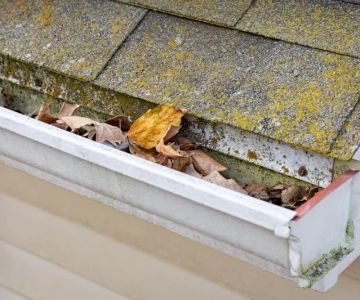
Clogged gutters can contribute to poor roof ventilation and lead to ice dams in the winter. Clean your gutters regularly to ensure proper drainage and prevent moisture buildup that can affect ventilation and cause damage.
6. Conclusion: Ensuring Proper Roof Ventilation
Roof ventilation is essential for maintaining a healthy and efficient home. Identifying signs of poor ventilation early and taking the necessary steps to fix the problem can save you from costly repairs and extend the lifespan of your roof. If you’re experiencing roof ventilation problems, don’t hesitate to seek professional help. At Pro Found Roofing, we offer expert roofing services to assess and fix your roof ventilation issues. Contact us today for a consultation and ensure your home stays in top condition!
 H American Roofing5.0 (4 reviews)
 Weddle and Sons Roofing of Omaha5.0 (94 reviews)
 M J and Sons Construction4.0 (15 reviews)
 Premier Roofing Oshkosh5.0 (27 reviews)
 Aubrey Construction4.0 (61 reviews)
 Insurance Solutions Services5.0 (23 reviews)
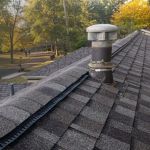 How to Install Roofing Underlayment Around Roof Penetrations like Vents
 How Roofing Affects Home Resale Value – Key Considerations
 What is a Roofing Boot? How to Install a New Boot on an Old Pipe Vent
 The Advantages of Light-Colored Roofs for Energy Efficiency in Warm Climates
 The Signs of Ice Dam Damage on Your Roof and in Your Attic
 Top Mistakes Homeowners Make During Roof Repairs