
Roof Shingle Seal Strips: Why New Shingles Look Lifted
On this page
- Quick answer
- What the seal strip does
- Why shingles may look lifted
- Weather and installation conditions
- Check safely from the ground
- When to call the contractor
- What homeowners should not do
- What a professional checks
- Document a new-roof concern
- Important limitations
- Sources and evidence notes
- Frequently asked questions
- Conclusion
Quick answer
New asphalt shingles can look slightly lifted before their factory-applied seal strips bond in suitable warmth. Some settling may be normal, but persistent tabs, widespread lifting, creases, missing fasteners, or wind movement need a contractor's review. Stay off the roof, photograph the pattern from the ground, and follow the manufacturer's temperature and hand-sealing instructions.

Rapid Response Roofing / rapid response roofing
East GreenvilleMontgomery CountyPennsylvania
408 State St, East Greenville, PA 18041, USA
What the seal strip does
Many asphalt shingles include a factory-applied adhesive strip. After installation, heat and pressure help the overlapping shingle bond to it. The seal supports wind resistance and helps keep tabs lying flat, while correct fasteners and roof-system details provide the primary attachment.
The strip is not a substitute for proper nailing. Fastener type, location, number, penetration, and deck condition must match the product instructions and local code.
Victors Home Solutions / victors roofing
2722 E Michigan Ave suite 239, Lansing, MI 48912, USA
Why shingles may look lifted
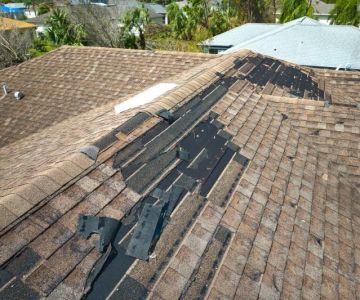
Shingles stored in bundles can retain a slight curve. Cool-weather installation may delay thermal activation, and a new roof can show minor unevenness before sunlight warms the surface. Architectural shingles also have layered profiles that create intentional shadow lines.
Other causes are not cosmetic: high nails, underdriven nails, debris beneath a tab, buckled underlayment, warped decking, a protruding fastener, poor alignment, wind damage, or shingles that never sealed. Photos alone may not distinguish these causes.
Weather and installation conditions
Seal timing depends on shingle colour, roof orientation, shade, outdoor temperature, sunlight, wind, and product design. A south-facing dark roof may warm faster than a shaded north slope. Cold-season work may require manufacturer-approved hand sealing.
There is no universal number of days that guarantees sealing. Ask the installer which product was used, what the instructions require, and what conditions occurred after installation.
Check safely from the ground
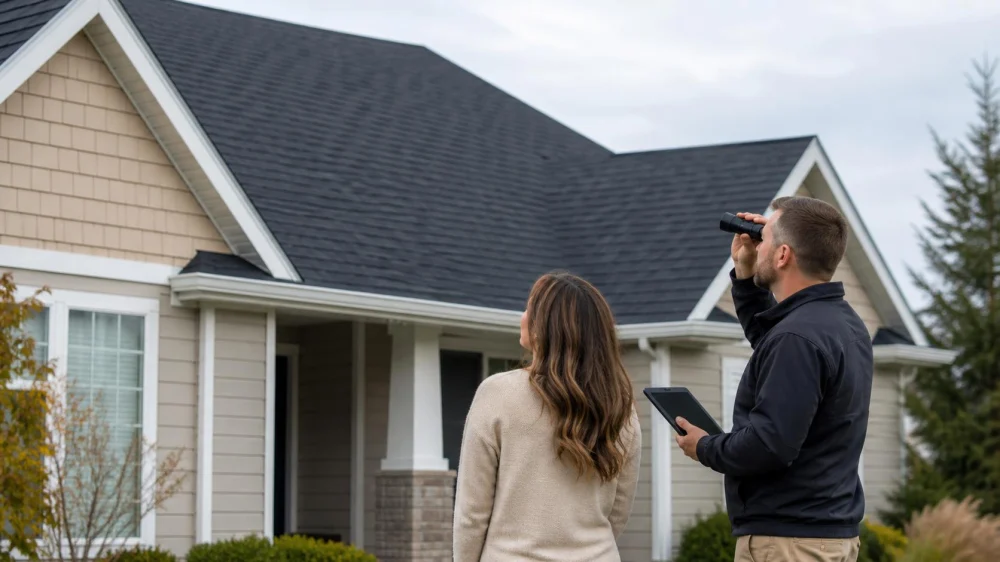
- Stand on stable ground and use binoculars or camera zoom.
- Photograph each slope at the same time of day.
- Note whether tabs move in ordinary wind.
- Look for creases, displaced shingles, exposed fasteners, or debris.
- Check inside for water stains after rain.
- Record installation date and recent temperatures.
Do not inspect from a ladder during wind or bad weather. Keep away from overhead electrical lines.
When to call the contractor
Contact the installer promptly if shingles flap, tear, crease, slide, or remain visibly lifted beyond the product guidance. Call after any strong-wind event or when water enters the home. Early notice helps preserve documentation and may prevent a small defect from spreading.
Use the emergency number when the roof is open to weather. Protect the interior from below where safe, but do not climb up to press tabs down.
What homeowners should not do
- Do not walk on new shingles to flatten them.
- Do not add nails through exposed surfaces.
- Do not use household glue, construction adhesive, or random caulk.
- Do not heat shingles with a torch or heat gun.
- Do not lift tabs to inspect the adhesive.
These actions can damage shingles, create leaks, cause injury, and affect warranty coverage.
What a professional checks
A qualified roofer can compare the roof with the manufacturer's installation manual. The inspection may include seal engagement, fastener placement, deck flatness, underlayment, starter course, edge details, flashing, ventilation, and wind exposure.
If hand sealing is needed, the contractor should use the approved adhesive amount and location. Too much cement or the wrong product can blister or damage roofing.
Document a new-roof concern
- Save the contract, invoice, product name, colour, and warranty.
- Take dated overview and closer zoom photos from the ground.
- Describe the slopes and exact rows affected.
- Record wind and temperature conditions.
- Send a written service request and keep the response.
- Ask for inspection findings and repairs in writing.
Important limitations
This article is general homeowner information, not an installation specification or warranty decision. Product instructions, climate, codes, deck conditions, and contract terms vary. Only an on-roof inspection by a qualified professional can determine whether lifting is temporary or defective.
Sources and evidence notes
- Asphalt Roofing Manufacturers Association: technical information on asphalt shingles and installation practices.
- Individual shingle manufacturers: binding instructions for fasteners, sealing, cold-weather installation, and warranties.
- Occupational Safety and Health Administration: fall and ladder safety principles for roofing work.
- Local building authorities: applicable code and permit requirements.
Frequently asked questions
How long do new shingles take to seal?
There is no universal deadline. It depends on the product and weather. Ask the installer to compare actual conditions with manufacturer instructions.
Will cold-weather shingles seal in spring?
Some may seal when adequately warmed, but cold installation can require approved hand sealing. Do not wait through wind damage to ask.
Can I press lifted tabs down myself?
No. Roof access and improper pressure or adhesive can cause injury and damage. Use the contractor's service process.
Are shadow lines the same as lifted shingles?
Not always. Laminated shingle profiles create deliberate depth. Movement, gaps, and irregular edges deserve closer professional assessment.
Conclusion
Minor unevenness on a new asphalt roof may settle as seal strips activate, but the result should never be assumed. Observe from the ground, record weather and movement, contact the installer early, and insist on product-specific evaluation. Avoid walking, nailing, gluing, or heating shingles yourself.
 Wetherall Roofing & Contracting Inc3.0 (5 reviews)
 Blevins R & R0.0 (0 reviews)
 PINTAIL D&C Inc.4.0 (88 reviews)
 A-American Remodeling Co, Inc4.0 (46 reviews)
 Lion Roofing LLC0.0 (0 reviews)
 J. Salvatore & Sons Roofing4.0 (99 reviews)
 Roof Warranty Guide: Compare Coverage Before You Sign
 How to Make an Insurance Claim for Roof Damage Caused by Neighbor's Construction
 Do You Need to Replace Roof Before Selling? A Comprehensive Guide
 Gutter Installation and Roof Health: Why They Matter Together
 Choosing Between Residential and Commercial Roofing Solutions
 The Best Roofing Materials for a Home in a Wildfire-Prone Area (Class A)