
- 1 - What is a Roofing Cricket?
- 2 - Why Is a Roofing Cricket Necessary?
- 3 - How Roofing Crickets Prevent Water Buildup
- 4 - Common Issues Without a Roofing Cricket
- 5 - How to Install a Roofing Cricket
- 6 - Real-Life Example: The Importance of Roofing Crickets
1 - What is a Roofing Cricket?
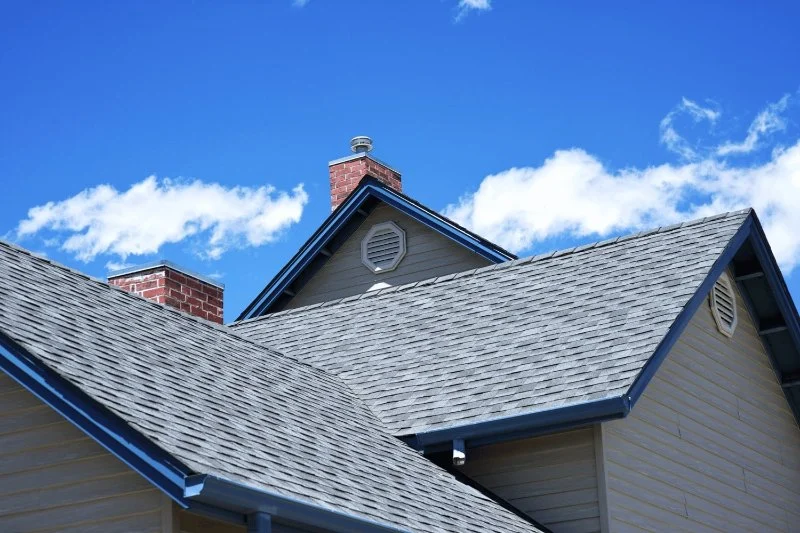
A roofing cricket is a triangular or peaked structure installed behind a chimney or any other roof penetration to redirect water around the obstruction. Its primary purpose is to ensure proper drainage of water and prevent it from accumulating around the chimney base or any other similar projections. Crickets are typically made from the same materials as the roofing system itself, including metal, wood, or composite materials.
Roofing crickets are crucial components of roof design, especially in areas where chimneys, vents, or skylights interrupt the flow of water. By deflecting water away, they prevent damage that could otherwise occur from trapped moisture.
Lance Roofing & Siding Inc. / lance roofing and siding
6903 Dayton Springfield Rd, Enon, OH 45323, USA
2 - Why Is a Roofing Cricket Necessary?
When water flows over a roof, it naturally wants to travel to the lowest point. However, chimneys, vents, and other projections interrupt this flow, causing water to accumulate and pool behind them. This can lead to significant issues such as water damage, mold growth, and structural weakening.
The roofing cricket is necessary because it redirects the flow of water, allowing it to move freely around the chimney and into the gutters. Without a roofing cricket, water would build up against the chimney, increasing the risk of leaks and even causing the roof materials to deteriorate over time.
Victors Home Solutions / victors roofing
2722 E Michigan Ave suite 239, Lansing, MI 48912, USA
3 - How Roofing Crickets Prevent Water Buildup
Roofing crickets function by creating a slope that guides water away from the area around the chimney. Water is naturally directed towards the sides of the cricket, where it can flow into the gutters or down the roof’s slope. The angle of the cricket ensures that water doesn’t collect in one area, reducing the chances of pooling and subsequent water damage.
By ensuring proper drainage, roofing crickets prevent:
- Water buildup that can lead to leaks around the chimney.
- Moisture infiltration that causes mold growth and wood rot.
- Premature wear and tear of roofing materials.
- Structural damage due to prolonged exposure to trapped water.
Essentially, the roofing cricket serves as a protective barrier that helps maintain the integrity of the roof and chimney system, ensuring long-term durability.
4 - Common Issues Without a Roofing Cricket
When a roofing cricket is missing or improperly installed, it can lead to several serious issues, including:
4.1 - Water Damage to the Roof
Without a cricket, water tends to accumulate at the base of the chimney. Over time, this can cause significant damage to the roofing materials, leading to leaks that can spread to the attic or interior of the home. Moisture trapped in the roofing structure can cause the materials to degrade, resulting in costly repairs.
4.2 - Mold and Mildew Growth
As water collects around the chimney and remains stagnant, it creates an ideal environment for mold and mildew to grow. These fungi thrive in damp, dark conditions and can spread rapidly, leading to health risks and additional structural damage.
4.3 - Damaged Flashing
Flashing around the chimney is designed to prevent water from seeping into the roof. When water pools behind the chimney due to the lack of a cricket, the flashing may become damaged or dislodged. This can lead to leaks and further water damage inside the home.
5 - How to Install a Roofing Cricket
Installing a roofing cricket is best left to professionals, as it requires precise measurements and expert knowledge of roofing systems. However, here’s a basic overview of how a roofing cricket is installed:
5.1 - Prepare the Area
Before installation, the area behind the chimney or roof obstruction must be cleaned and prepped. Any debris or old materials that might obstruct the installation of the cricket should be removed.
5.2 - Create the Structure
The cricket is typically built with a frame of wood or metal, depending on the roof materials. It is shaped in a triangular or peaked design to allow water to flow off both sides.
5.3 - Install Flashing
Once the cricket structure is in place, flashing is installed around the edges to ensure a watertight seal. This helps prevent water from leaking into the roof where the cricket meets the chimney.
5.4 - Secure the Roofing Materials
Finally, roofing materials like shingles or metal panels are installed over the cricket to match the existing roof and create a seamless finish.
6 - Real-Life Example: The Importance of Roofing Crickets
Consider the case of the Johnson family, who experienced repeated water damage to their living room ceiling. Despite the roof appearing to be in good condition, they noticed leaks during heavy rainfalls, particularly around the chimney. Upon inspection, a professional roofer found that the absence of a roofing cricket was allowing water to pool behind the chimney, leading to leaks and mold growth in the attic.
After installing a cricket behind the chimney, the problem was resolved. The water was effectively diverted away from the chimney, preventing future leaks. This installation not only saved the Johnsons from further damage but also improved the overall lifespan of their roof.
This real-life example underscores the importance of installing a roofing cricket in areas with chimneys and other roof penetrations. It highlights how a simple roofing component can prevent costly repairs and protect the integrity of the home.

 N.E. Roofing0.0 (0 reviews)
 All-Tex Roofing0.0 (0 reviews)
 Roofing Pros, USA5.0 (9 reviews)
 Marshall Roofing Siding & Windows4.0 (207 reviews)
 The Shingle Company4.0 (19 reviews)
 Shamrock Roofing & Construction Lee's Summit4.0 (167 reviews)
 Understanding Roof Ventilation Systems and Why They Matter
 What Roof Color Is Best for Energy Efficiency? Choose the Right Color for Savings
 The Signs of Asbestos in an Old Roof: What to Do if You Suspect It
 How to Clean Your Roof with Oxygen Bleach for an Eco-Friendly Clean
 How to Install Ice and Water Shield in Valleys and at Eaves for Winter
 The Best Roofing Materials for a Home in a Heavy Rainfall Climate