
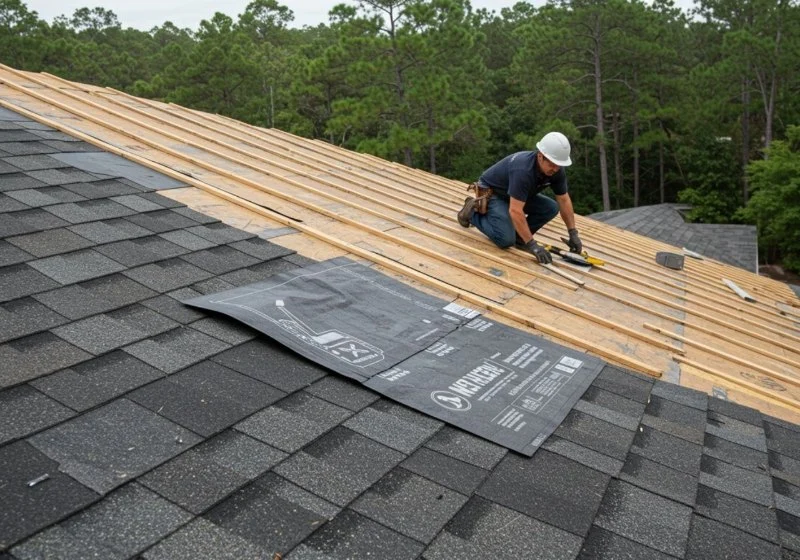
Comprehensive Guide to Roof Underlayment Types and Their Importance
- -understanding-roof-underlayment
- -asphalt-saturated-felt-underlayment
- -synthetic-roof-underlayment
- -rubberized-bitumen-underlayment
- -installation-considerations-and-best-practices
- -real-life-examples-and-case-studies
- -choosing-the-right-underlayment-for-your-home
1. Understanding Roof Underlayment
Roof underlayment is a critical layer installed between the roof deck and the outer roofing material. Its primary functions include moisture protection, insulation, and extending the lifespan of shingles or tiles. Proper underlayment prevents leaks, water damage, and mold growth.
For example, a homeowner in Chicago experienced minimal interior water damage during a heavy storm because their new roof had a high-quality synthetic underlayment. Understanding the purpose and function of underlayment is the first step in making informed roofing decisions.
Lance Roofing & Siding Inc. / lance roofing and siding
6903 Dayton Springfield Rd, Enon, OH 45323, USA
2. Asphalt-Saturated Felt Underlayment
Asphalt-saturated felt is a traditional underlayment made from organic or fiberglass base saturated with asphalt. It provides reliable water resistance and is widely used due to cost-effectiveness and ease of installation. There are two common weights: 15-pound and 30-pound felt, with the heavier option offering enhanced durability.
One case in Denver highlighted that 30-pound felt installed under asphalt shingles successfully prevented water infiltration during heavy snow, demonstrating its protective qualities when properly installed. While it is prone to tearing during installation, correct handling ensures long-term performance.

Gunner Roofing / gunner roofing
CromwellLower Connecticut River Valley Planning RegionConnecticut
700 Corporate Row, Cromwell, CT 06416, USA
3. Synthetic Roof Underlayment
Synthetic underlayment is manufactured from polypropylene or polyethylene and provides superior strength, tear resistance, and UV protection. It is lighter than felt and offers better traction for roofers during installation. Additionally, synthetic underlayments often have higher water resistance, making them ideal for regions with extreme weather conditions.
A homeowner in Seattle opted for synthetic underlayment under their metal roof. The material prevented leaks during a record rainfall season and reduced installation time, illustrating the practical benefits of modern synthetic solutions.
4. Rubberized-Bitumen Underlayment
Rubberized-bitumen underlayment contains self-adhesive properties and provides excellent waterproofing. Often used in valleys, eaves, and areas prone to ponding water, it creates a seamless moisture barrier. Its flexibility allows it to adhere to irregular surfaces and expand or contract with temperature changes.
For example, in a Miami home with frequent heavy storms, rubberized-bitumen underlayment protected critical roof sections from leakage, even when shingles were temporarily displaced. It is particularly effective in preventing water infiltration during hurricanes or extreme wind-driven rain events.
5. Installation Considerations and Best Practices
Proper installation is crucial for all underlayment types. Key considerations include:
1. Ensuring the roof deck is clean, dry, and free of protrusions.
2. Overlapping sheets according to manufacturer guidelines.
3. Securing underlayment with appropriate fasteners or adhesives.
4. Paying special attention to valleys, ridges, and roof penetrations like vents and chimneys.
Improper installation can compromise the underlayment’s protective capabilities, leading to leaks or premature wear. Experienced contractors and proper tools ensure reliable performance.
6. Real-Life Examples and Case Studies
Real-world applications highlight the significance of underlayment choice. In Portland, a home using synthetic underlayment under asphalt shingles withstood an unusually wet winter with zero water intrusion. Conversely, a neighboring home with only 15-pound felt experienced minor leaks due to laps not overlapping correctly, emphasizing both material selection and installation quality.
In another case, a coastal home in Florida installed rubberized-bitumen underlayment in vulnerable areas prone to ponding. During hurricane-force rains, the underlayment prevented water from reaching the interior, showcasing the value of targeted, high-performance materials.
7. Choosing the Right Underlayment for Your Home
Selecting the appropriate underlayment depends on climate, roofing material, budget, and desired durability. Asphalt-saturated felt remains cost-effective for standard residential applications. Synthetic underlayment offers enhanced protection and durability for modern roofs, while rubberized-bitumen provides specialized waterproofing for vulnerable areas.
Homeowners seeking guidance and quality products can consult Pro Found Roofing for recommendations, material sourcing, and professional installation tips. Leveraging expert advice ensures that your roof underlayment provides long-lasting protection, improves roof performance, and enhances overall home value. Click to explore the latest underlayment options and discover products designed for optimal durability and weather resistance.


 All State Roofing and Chimney4.0 (558 reviews)
 Tampa Metal Roofers3.0 (4 reviews)
 ALL QUALITY5.0 (30 reviews)
 Filbrun Enterprises5.0 (3 reviews)
 Precision 14.0 (28 reviews)
 HP Commercial Roofing Pro West Covina4.0 (9 reviews)
 The Pros and Cons of a M-Shaped Roof Design for Larger Homes
 What to Do When Your Roof Fails a Home Inspection: Smart Next Steps
 Best Roofing Materials for Hurricane-Prone Areas: Top Choices for Protection
 Understanding Roof Leaks During Heavy Rain and How to Fix Them
 How to Safely Remove Moss and Algae from Your Roof
 How Much Does It Cost to Repair a Roof Leak in 2026?