Best Roofing Materials for Hurricane-Prone Areas: Top Choices for Protection
- Why Roofing Materials Matter in Hurricane Zones
- Top Roofing Materials for Hurricane Protection
- Installation Tips for Hurricane-Resistant Roofs
- Real-Life Case Study: Hurricane-Resistant Roofing in Action
- Additional Steps for Protecting Your Roof
Why Roofing Materials Matter in Hurricane Zones
When living in hurricane-prone areas, having the right roofing materials is essential to ensure your home remains safe during extreme weather conditions. Hurricanes bring high winds, heavy rains, and flying debris, all of which can cause significant damage to homes. The roof is one of the most vulnerable parts of a house, and choosing the right materials can make all the difference in minimizing damage.
In this article, we'll discuss the best roofing materials for hurricane-prone areas, explaining their benefits, durability, and effectiveness in storm conditions. We’ll also cover installation tips and provide real-life examples of how these materials have performed during past hurricanes.

Gunner Roofing / gunner roofing
CromwellLower Connecticut River Valley Planning RegionConnecticut
700 Corporate Row, Cromwell, CT 06416, USA
Top Roofing Materials for Hurricane Protection
Not all roofing materials are created equal when it comes to withstanding hurricanes. Some materials offer better protection from high winds, flying debris, and water damage. Below are some of the most reliable and commonly used roofing materials for homes in hurricane zones:

Holden Roofing (Houston Corporate) / holden roofing
RosenbergFort Bend CountyTexas
2128 1st St, Rosenberg, TX 77471, USA
1. Metal Roofing
Metal roofs are one of the best options for hurricane-prone areas. They are durable, lightweight, and capable of withstanding high winds. Metal roofs are also fire-resistant and less likely to suffer from water damage. In fact, metal roofing systems have been shown to survive wind speeds up to 140 mph, making them an excellent choice for homes in hurricane zones.
2. Asphalt Shingles
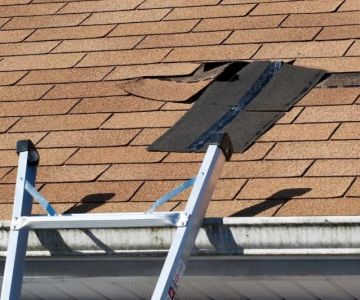
Asphalt shingles are a popular choice for roofing because of their affordability and ease of installation. While traditional asphalt shingles are not the most wind-resistant, impact-resistant asphalt shingles, also known as "hurricane shingles," have been designed to withstand winds of up to 130 mph. These shingles are a great option for homeowners looking for budget-friendly hurricane-resistant roofing.
3. Concrete and Clay Tiles
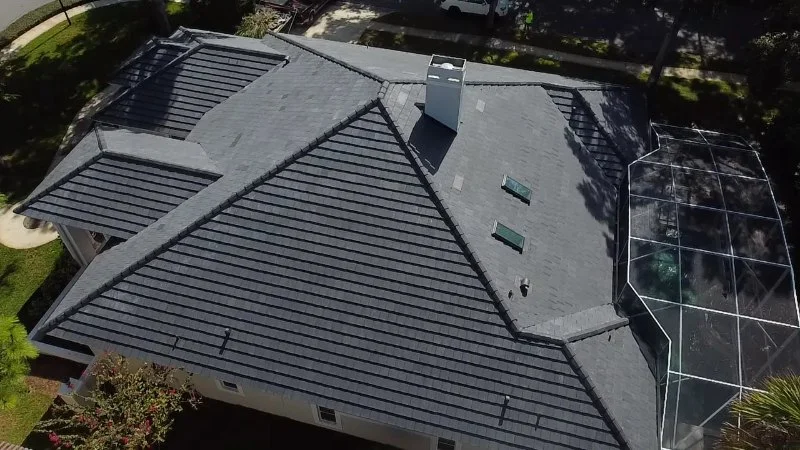
Concrete and clay tiles are extremely durable and can withstand the force of hurricane winds. Their weight helps keep them secure during storms, and their resistance to impact makes them an excellent choice for regions prone to flying debris. The downside is that they can be expensive and require professional installation, but their longevity and storm resistance make them a worthwhile investment.
4. Synthetic Roofing Materials
Synthetic roofing materials, including rubber and plastic composite shingles, are becoming more popular for hurricane protection. These materials mimic the look of traditional shingles or tiles but offer enhanced durability and flexibility. They are lightweight, highly resistant to wind and water, and can withstand impact from flying debris.
5. Slate Roofing
Slate is one of the most durable roofing materials available, with the ability to withstand the toughest conditions. While slate roofs can be expensive and heavy, their ability to endure high winds, heavy rain, and flying debris makes them a top choice for hurricane-prone areas. Additionally, slate has a long lifespan, making it a valuable long-term investment for homeowners.
Installation Tips for Hurricane-Resistant Roofs
Choosing the right roofing material is only part of the equation. Proper installation is crucial to ensure that the roof can withstand hurricane-force winds and rain. Here are some installation tips to keep in mind:
1. Secure the Roofing Materials Properly
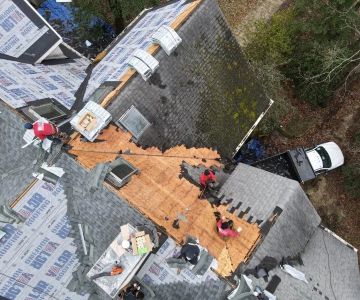
Regardless of the material chosen, it’s essential to ensure that the roofing is installed properly. For example, metal roofs should be fastened with special hurricane clips, and shingles should be nailed securely to prevent lifting during high winds.
2. Reinforce the Roof Deck
The roof deck (the underlying wooden structure) should be reinforced with straps or clips that attach to the walls of the house. This helps prevent the roof from being lifted off during a hurricane, ensuring the roof stays intact during high winds.
3. Use Impact-Resistant Materials
In addition to choosing the right roofing materials, make sure to use impact-resistant options for your gutters, vents, and flashing. This helps prevent damage from flying debris and increases the overall durability of your roof.
Real-Life Case Study: Hurricane-Resistant Roofing in Action
In 2017, Hurricane Irma struck Florida, causing widespread damage to homes. However, homes that had metal roofs or impact-resistant shingles were far less likely to sustain major damage. One home in Naples, FL, had a metal roof installed just months before the storm. Despite the hurricane’s strong winds, the roof held up, and the homeowners reported minimal damage compared to their neighbors.
This real-life case study demonstrates how the right roofing material can make a significant difference in the safety and longevity of your home during a hurricane. Homeowners who invested in metal roofing or impact-resistant shingles were able to avoid costly repairs and enjoy peace of mind throughout the storm.
Additional Steps for Protecting Your Roof
In addition to choosing the best roofing materials, there are a few other steps you can take to protect your home from hurricane damage:
1. Install Hurricane Shutters
Hurricane shutters provide additional protection for your windows and doors during storms. These shutters can prevent flying debris from breaking windows, which is a common cause of water damage in hurricanes.
2. Keep Trees and Debris Away from Your Roof
Regularly trim trees and remove debris from around your home. This reduces the risk of branches or other objects causing damage to your roof during a storm.
By combining the right roofing materials with proper installation and additional protection, you can significantly reduce the risk of roof damage during a hurricane. For more tips and to find the best roofing materials for your home, visit Pro Found Roofing today!
 River City Roofing Portland4.0 (179 reviews)
 Greaver and Son's Roofing llc5.0 (2 reviews)
 Ready Roof Inc2.0 (7 reviews)
 Freedom Contracting4.0 (30 reviews)
 Rubber Roofing MN5.0 (3 reviews)
 The Columbia Roofers5.0 (13 reviews)
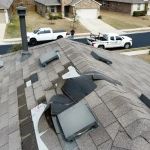 How to Tell If Your Roof Has Wind Uplift Damage | Pro Found Roofing
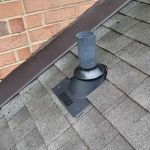 What is a Roofing Boot? How to Choose Between Lead, Plastic, and Metal Roofing Boots
 How to Deal with Roofing Scams and Avoid Contractor Fraud
 Cost to Replace a Roof on a Townhouse
 What to Do If Your Roof Starts Leaking During a Storm
 How to Install a Ridge Vent on a Roof That Previously Had Box Vents