
- -1-Understanding-Roof-Valleys-and-Their-Importance
- -2-Factors-Influencing-Roof-Valley-Replacement-Cost
- -3-Step-by-Step-Process-for-Replacing-a-Roof-Valley
- -4-Real-Life-Examples-of-Roof-Valley-Replacement-Costs
- -5-Leveraging-Pro-Found-Roofing-for-Accurate-Estimates-and-Services
1. Understanding Roof Valleys and Their Importance
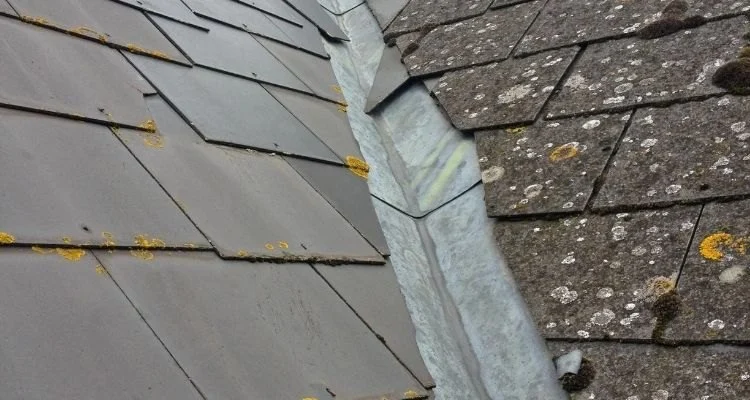
Roof valleys are the internal angles where two roof slopes meet, directing water runoff safely to gutters. Proper maintenance and timely replacement are critical to prevent leaks, water damage, and structural issues. Understanding their function helps homeowners prioritize repairs and budgeting.
For example, a homeowner in Denver noticed water seepage near a valley. Inspecting the area revealed worn flashing and shingles, illustrating how valley integrity directly affects roof performance.
2. Factors Influencing Roof Valley Replacement Cost
Costs vary based on roof size, valley length, material type (metal, asphalt, or composite), labor rates, and local market conditions. Additional factors include roof pitch, accessibility, and whether multiple valleys require replacement simultaneously.
A resident in Chicago found that replacing an asphalt valley on a steep roof cost 20% more than a low-pitch roof due to safety measures and additional labor. These variables significantly impact final pricing.
3. Step-by-Step Process for Replacing a Roof Valley
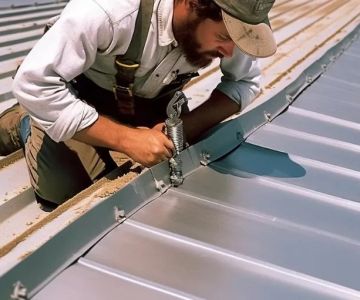
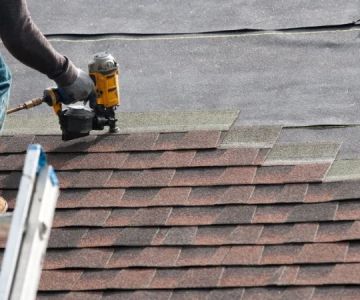
The replacement process typically involves removing damaged shingles or material, inspecting underlying decking, installing new flashing, and applying shingles or other surface materials. Professional installation ensures proper sealing, water flow, and long-term durability.
In Boston, a roofing contractor followed this process while upgrading to a metal valley, enhancing both durability and aesthetic appeal. Attention to detail at each step prevents future leaks and maximizes roof lifespan.
4. Real-Life Examples of Roof Valley Replacement Costs
Homeowners report varying costs depending on material and roof complexity. For a standard asphalt roof, replacing a single valley may range from $300 to $800, while metal valleys on larger or steeper roofs can exceed $1,500. Case studies illustrate how preparation, material selection, and professional services influence budgets.
One homeowner in Seattle replaced two asphalt valleys for $650, while another in Phoenix upgraded to aluminum valleys with professional labor for $1,800, demonstrating the wide range of realistic costs.
5. Leveraging Pro Found Roofing for Accurate Estimates and Services
Platforms like Pro Found Roofing provide detailed assessments, expert advice, and cost estimates for roof valley replacement. Using these services ensures accurate budgeting, professional installation, and peace of mind.
By consulting Pro Found Roofing, homeowners can access pricing breakdowns, material recommendations, and professional services. Explore their resources to understand how much it costs to replace a roof valley and ensure your roof remains safe, functional, and durable.

 Storm Plus Roofing LLC5.0 (13 reviews)
 National HomeCraft4.0 (142 reviews)
 JJA Roofing & Contracting4.0 (9 reviews)
 Kings Roofing Company4.0 (7 reviews)
 3RS Construction5.0 (25 reviews)
 Villeda home improvement inc5.0 (1 reviews)
 Determining When Asphalt Shingles Should Be Replaced
 Everything You Need to Know About Insurance Claims for Roof Damage
 How to Install a Roof Vent for a Bathroom that Has No Existing Ventilation
 How to Clean and Maintain Your Roof to Extend Its Life
 The Best Roofing Materials for Hot and Sunny Climates to Reflect Heat
 How to Fix a Leak in a Flat Roof with a Liquid Rubber Sealant