
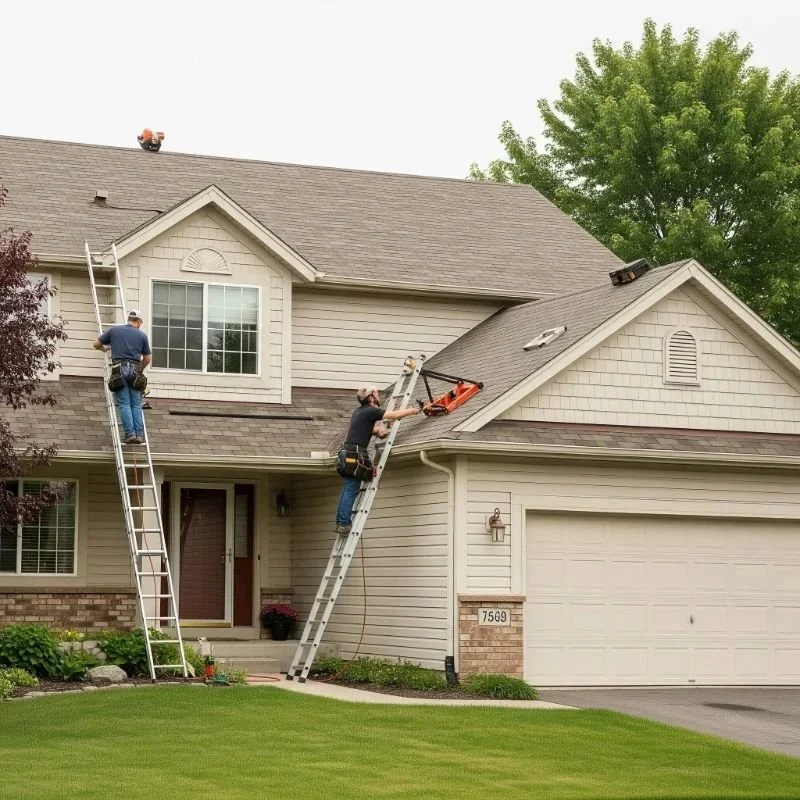
Storm Damage Roof Inspection Checklist for Homeowners
- Why Roof Inspection After a Storm is Crucial
- Common Signs of Roof Damage After a Storm
- Step-by-Step Roof Inspection Process
- When to Call a Professional Roofing Contractor
- Storm Preparedness Tips for Your Roof
1. Why Roof Inspection After a Storm is Crucial
After a powerful storm, your roof may have suffered some form of damage that’s not always immediately visible from the ground. A comprehensive roof inspection is crucial to ensure your home’s safety and prevent further issues, such as leaks or structural damage. Ignoring potential damage could lead to expensive repairs down the line.
Roof damage can be subtle, especially after strong winds, hail, or heavy rain. Small cracks, loosened shingles, or hidden water infiltration can go unnoticed but can cause major problems if left unaddressed. Conducting a thorough inspection right after the storm can help identify issues before they worsen, saving you both time and money.

Holden Roofing (Houston Corporate) / holden roofing
RosenbergFort Bend CountyTexas
2128 1st St, Rosenberg, TX 77471, USA
2. Common Signs of Roof Damage After a Storm
Storms can cause a wide range of roof damage, from minor cosmetic issues to severe structural problems. Here are some common signs of roof damage you should look out for:
Lance Roofing & Siding Inc. / lance roofing and siding
6903 Dayton Springfield Rd, Enon, OH 45323, USA
2.1. Missing or Damaged Shingles
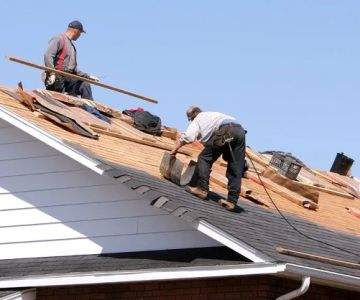
Strong winds and hail are common culprits when it comes to damaging shingles. If you notice shingles that are missing, cracked, or curled, this is a clear sign of storm damage. These damaged shingles expose the underlying roof layers to the elements, increasing the risk of leaks and further damage.
2.2. Leaks or Water Stains Inside Your Home
One of the most obvious signs of roof damage is water leaking into your home. If you spot water stains on your ceiling, walls, or attic, it’s a sign that rain or melting snow has found its way into your home through damaged areas in the roof. Don’t wait for the damage to worsen – address leaks as soon as you notice them.
2.3. Debris on the Roof
After a storm, debris such as branches, leaves, and even shingles may accumulate on your roof. If you notice a significant amount of debris or large objects on the roof, this could indicate that the storm was severe enough to cause damage. Debris can block gutters, which leads to water pooling on the roof, further contributing to potential leaks.
2.4. Sagging or Uneven Roof Line
A sagging roof or uneven roofline could be a sign of serious structural damage caused by the storm. This could indicate that the roof supports are weakened or that there is significant water damage. If your roof shows signs of sagging, it’s essential to have it inspected immediately to prevent further risk of collapse.
3. Step-by-Step Roof Inspection Process
Performing a roof inspection after a storm requires careful attention to detail. Follow these steps to check your roof thoroughly:
3.1. Start by Checking the Exterior
Begin by inspecting the exterior of your roof from the ground. Look for visible signs of damage, such as missing or broken shingles, cracked tiles, or debris. Use binoculars to get a closer look without having to climb onto the roof. This will give you a good idea of the extent of the damage.
3.2. Inspect the Roof Edge and Gutters
Check the edges of your roof, where the shingles meet the fascia board. This area is often vulnerable to wind damage. Also, inspect the gutters for any dents or damage caused by falling debris. Ensure that gutters are clear of debris and that downspouts are functioning properly to direct water away from the roof.
3.3. Assess the Attic
Next, go into your attic and check for any visible signs of water damage. Look for water stains, mold, or mildew on the ceiling and walls. If you notice any of these signs, it could indicate that your roof has leaked and water has seeped through the ceiling. Check for any light coming through the roof, which could also indicate holes or gaps that need repair.
3.4. Look for Granules in Gutters
After inspecting the roof and attic, check your gutters for granules. Asphalt shingles lose their granules over time, and this is particularly common after a storm. If you find a significant amount of granules in your gutters, it may be a sign that your shingles have been damaged and need replacement.
3.5. Take Note of Any Visible Damage
As you inspect your roof, make a list of all the visible damage. Take photos if possible, as they can be useful when working with your insurance company or roofing contractor. This documentation can help ensure that no damage goes unnoticed and that repairs are made promptly.
4. When to Call a Professional Roofing Contractor
While homeowners can handle basic roof inspections, it’s often best to call a professional roofing contractor for a more thorough assessment, especially if there are signs of serious damage. Here are a few situations when you should call in a pro:
4.1. Severe Damage or Structural Issues
If you notice sagging rooflines, missing or severely damaged shingles, or any signs of structural damage, it’s time to call a professional. These issues require expert repair and could pose a safety risk if not addressed properly.
4.2. Water Leaks Inside the Home
Water leaks can be tricky to fix on your own, especially if they’ve affected the structure of your home. A professional can properly assess the source of the leak and prevent further damage, including mold growth or wood rot.
4.3. Insurance Claims
If the damage is extensive and you plan to file an insurance claim, it’s a good idea to consult with a professional roofing contractor. They can provide you with detailed estimates and reports that will be helpful for your claim process.
If you need professional assistance with your roof inspection or repairs, visit Pro Found Roofing for reliable roofing services and expert advice. Our team can help you restore your roof and protect your home from future storm damage.


 Am-Con General and Roofing Contractors5.0 (7 reviews)
 Supreme Roofing & Construction Corp.5.0 (2 reviews)
 Roofing repair LLC5.0 (6 reviews)
 Miller's Roofing Inc.4.0 (215 reviews)
 Jim Rosewitz Roofing4.0 (5 reviews)
 SmartRoof - Roofing and Solar4.0 (68 reviews)
 How Much Does a Roof Replacement Really Cost in 2026?
 The Signs of a Roof Leak That is Traveling Far from the Actual Entry Point
 The True Cost of a Roof Inspection: Why a Thorough One is Worth Paying For
 Understanding Roofing Ventilation Systems and Why They Matter for U.S. Homes
 How to Find a Reliable Roofing Contractor Near You: Expert Tips
 The Impact of Algae on Your Roof's Lifespan and How to Stop Its Growth