
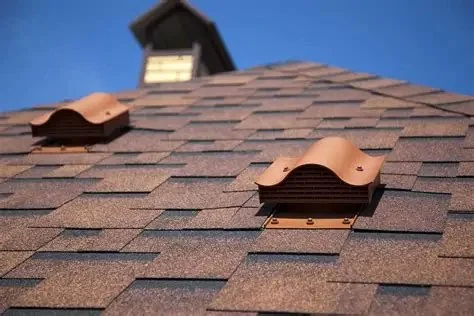
- why-roofing-ventilation-systems-are-crucial-for-your-home - Why Roofing Ventilation Systems Are Crucial for Your Home
- common-types-of-roofing-ventilation-and-their-functions - Common Types of Roofing Ventilation and Their Functions
- the-relationship-between-ventilation-and-energy-efficiency - The Relationship Between Ventilation and Energy Efficiency
- real-world-scenarios-when-ventilation-was-the-game-changer - Real-World Scenarios When Ventilation Was the Game-Changer
- how-to-tell-if-your-ventilation-system-needs-an-upgrade - How to Tell If Your Ventilation System Needs an Upgrade
- why-experts-recommend-ventilation-assessments-by-pro-found-roofing - Why Experts Recommend Ventilation Assessments by Pro Found Roofing
1. Why Roofing Ventilation Systems Are Crucial for Your Home
Roofing ventilation systems are far more than a technical detail—they’re the silent force behind a comfortable, energy-efficient, and long-lasting home. These systems regulate air movement within your attic space, preventing heat buildup in the summer and moisture accumulation during the winter. Without proper ventilation, your roofing materials age prematurely, energy bills soar, and interior comfort suffers significantly.
In many U.S. homes, especially those built before 2000, ventilation was an afterthought. However, modern building science and updates in local codes now highlight how essential airflow is to maintain roofing integrity and energy savings. Ignoring this can lead to costly consequences, including mold, structural wood rot, and attic insulation breakdown.
Victors Home Solutions / victors roofing
2722 E Michigan Ave suite 239, Lansing, MI 48912, USA
2. Common Types of Roofing Ventilation and Their Functions
There’s no one-size-fits-all when it comes to roofing ventilation. Here’s a breakdown of commonly used systems and what they do:
Ridge vents run along the peak of your roof and work best when paired with soffit vents. This combination creates a natural draft effect—cool air enters at the soffits and warm, moist air exits through the ridge.
Box vents, also known as static vents, are placed near the roof ridge and don’t rely on power. They’re simple, affordable, and low-maintenance, although they may not provide the same airflow volume as ridge systems.
Gable vents are placed in the exterior wall at the peak of the gable and use cross-ventilation. These are most effective in smaller attics or as supplemental ventilation.
Powered attic ventilators (PAVs) are electrically driven and effective for homes with limited passive airflow, though they can raise energy costs if not properly balanced.

JK Contractors / jk roofing
West BendOzaukee CountyWisconsin
3058 County Rd Y, West Bend, WI 53095, USA
3. The Relationship Between Ventilation and Energy Efficiency
When your roof breathes properly, your HVAC system doesn’t have to work as hard. In summer, an overheated attic can reach up to 150°F, which radiates down into your living space. In winter, warm air trapped in the attic causes condensation that damages insulation and ceilings.
A study by the U.S. Department of Energy showed that proper attic ventilation can reduce cooling costs by up to 10–12%. Many U.S. homeowners in states like Texas, Georgia, and California have seen a measurable drop in utility bills after upgrading their ventilation systems. Effective airflow is not just about comfort—it’s a money-saving move.
4. Real-World Scenarios When Ventilation Was the Game-Changer
In 2022, a homeowner in Nashville noticed peeling paint and a musty attic smell. After contacting a local contractor, they discovered the attic lacked proper soffit venting. The family installed a ridge-and-soffit system and added insulation. Three months later, not only were the odors gone, but their energy usage dropped significantly during the next summer season.
Another case from Arizona involved a home constantly battling extreme interior heat, even with the AC running. A ventilation overhaul with powered fans and new ridge vents transformed the home’s internal climate—and eliminated a recurring $400 monthly electric bill spike.
5. How to Tell If Your Ventilation System Needs an Upgrade
Signs your ventilation isn’t doing its job include:
• Ice dams on the roof edges in winter
• Overheating rooms on upper floors
• A musty smell or visible mold in the attic
• HVAC system running excessively
Homeowners should perform a visual check of their vents and attic conditions seasonally. However, the best way to ensure peak performance is with a professional roof and attic ventilation assessment.
6. Why Experts Recommend Ventilation Assessments by Pro Found Roofing
Not all ventilation issues are obvious—and most require expert eyes and tools to fully diagnose. That's why U.S. homeowners are turning to trusted providers like Pro Found Roofing. They offer custom ventilation evaluations that factor in roof pitch, home design, attic size, and regional climate—ensuring your system is balanced and effective.
Ventilation may seem like a small detail, but it plays a big role in home comfort and energy costs. Investing in a modern, well-designed roofing ventilation system not only protects your home’s structure but also saves money in the long run. If you haven’t checked your ventilation lately, now is the time to take a closer look with help from the pros.



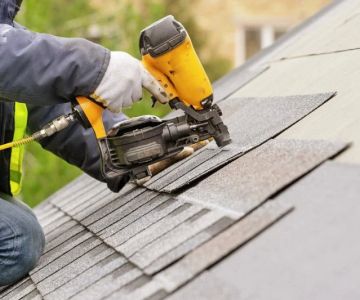
 Nicholas Flat Roofing & Paving5.0 (28 reviews)
 Perfect Exteriors of Minnesota, LLC.5.0 (33 reviews)
 Lyster Exteriors4.0 (154 reviews)
 Gates General Contractors Inc4.0 (24 reviews)
 The Roof Haus4.0 (47 reviews)
 Boral Roofing Customer Services4.0 (11 reviews)
 How Hail Damage Affects Your Roof's Lifespan and Performance Over Time
 Can a Roof Be Repaired in Winter? What You Need to Know | Pro Found Roofing
 The Average Cost of a Roof in California vs. Florida: Regional Price Differences
 Can You Install a New Roof Over an Old One? Legal and Practical Guide
 What is a Roofing Membrane? A Guide to EPDM, TPO, and PVC for Flat Roofs
 The Best Time of Year to Replace Your Roof for Ideal Weather and Pricing