- Introduction
- What is Roof Replacement ROI?
- Does a New Roof Increase Home Value?
- Cost vs. Value: What You Need to Know
- Real-World Examples: Roof Replacements and Home Value
- Tips for Maximizing Your Roof Replacement ROI
- Conclusion
Roof Replacement ROI: Does a New Roof Increase Home Value?
When it comes to home improvement, replacing a roof is one of the most significant and costly investments a homeowner can make. But the question that many people ask is: "Does a new roof actually increase the value of my home?" In this article, we will explore roof replacement ROI (Return on Investment), how it impacts home value, and the benefits of investing in a new roof. Understanding the long-term value of roof replacement can help you make more informed decisions about your home improvement projects.

Absolute Roofing / absolute roofing
TimoniumBaltimore CountyMaryland
22 W Padonia Rd # B229, Timonium, MD 21093, USA
What is Roof Replacement ROI?
Roof replacement ROI refers to the return you can expect on the money you spend replacing your roof when you sell your home. In other words, it’s the percentage of the investment that will be recovered through the sale of your property. A high ROI means that the amount you spend on a new roof will significantly increase your home’s value, while a low ROI suggests that the return might not be as high.
When determining ROI, factors like the quality of materials, the roofing contractor's reputation, and local market conditions come into play. The better the quality of the materials and the installation, the higher the potential ROI. Additionally, certain regions may have higher or lower returns based on buyer preferences and climate considerations.

Holden Roofing (Houston Corporate) / holden roofing
RosenbergFort Bend CountyTexas
2128 1st St, Rosenberg, TX 77471, USA
Does a New Roof Increase Home Value?
Replacing your roof can indeed increase your home’s value, but the degree to which it does so depends on several factors. A new roof not only improves the aesthetic appeal of your home but also provides functional benefits such as better protection from the elements and improved energy efficiency. Here are some of the key ways a new roof can impact your home value:
1. Curb Appeal
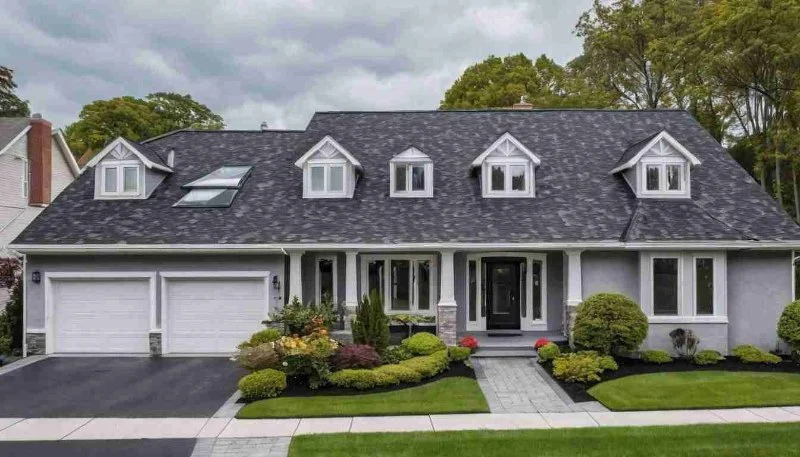
A new roof enhances your home’s curb appeal, making it more attractive to potential buyers. The roof is one of the first things people notice when they drive by or approach your home, so investing in a new roof can make a big difference in first impressions. A home with a well-maintained roof looks more inviting and well-cared-for, which can influence buyers' perceptions of the property's overall value.
2. Structural Integrity
A new roof improves the structural integrity of your home. Older roofs may have leaks or other issues that could potentially cause significant damage to the home’s foundation, walls, and interior. Buyers are more likely to pay a premium for a home with a new roof, knowing that they won’t have to deal with expensive repairs in the near future.
3. Energy Efficiency
New roofing materials, especially those with energy-efficient features like reflective coatings, can help regulate your home’s temperature. This can lower heating and cooling costs, making the home more attractive to buyers who are looking for energy-efficient homes. In today’s market, homes with sustainable and energy-efficient features often command higher prices.
Cost vs. Value: What You Need to Know
While a new roof can increase home value, it’s important to weigh the cost of replacement against the potential value it adds. The ROI for roof replacement can vary depending on your location and the quality of materials used. According to Remodeling Magazine’s Cost vs. Value Report, homeowners typically recover about 60–70% of the cost of a new roof when they sell their home. However, in some markets, the ROI can be as high as 80% or more, especially if the roof is a major selling point in the neighborhood.
Additionally, the type of roofing material you choose will impact the ROI. Asphalt shingles tend to offer the best balance between cost and value, providing a reasonable ROI for most homeowners. On the other hand, luxury materials like slate or metal may offer a higher level of durability and aesthetic appeal, but they may not always provide a higher ROI compared to more traditional materials.
Real-World Examples: Roof Replacements and Home Value
Let’s take a look at a real-world example of how a new roof can increase home value:
In 2019, a homeowner in Austin, Texas, decided to replace their 20-year-old roof with a new energy-efficient asphalt shingle roof. After the roof replacement, they listed their home for sale. The home sold for 15% more than they had initially expected, and feedback from the buyers indicated that the new roof was one of the key factors in their decision to make an offer. The buyer appreciated the peace of mind knowing that they wouldn’t have to deal with roof repairs for many years.
In another case, a homeowner in a more rural area of Florida replaced their roof with premium metal roofing. While the investment was larger, they were able to recoup nearly 80% of the cost when they sold the home to a buyer who was specifically interested in durable, hurricane-resistant roofing. This highlights how roof replacement can vary in ROI based on the local market and buyer preferences.
Tips for Maximizing Your Roof Replacement ROI
If you’re considering a roof replacement and want to maximize the return on your investment, here are some tips to keep in mind:
1. Choose the Right Roofing Material
While luxury materials may look great, they might not always provide the best ROI. Opt for materials that are both durable and cost-effective, such as asphalt shingles, which tend to offer the best ROI in most markets.
2. Hire a Reputable Contractor
Ensure that the installation is done professionally and correctly. A poorly installed roof can result in more damage and a lower return on investment. Look for roofing contractors with good reviews and experience in your area.
3. Keep Your Roof Well-Maintained
If a full roof replacement isn’t necessary, consider regular maintenance and repairs to extend the life of your current roof. Keeping the roof in good condition can prevent the need for premature replacement and preserve its value.
Conclusion
A new roof can be a valuable investment that increases the overall value of your home, especially when you consider the enhanced curb appeal, structural integrity, and energy efficiency. While the ROI for roof replacement typically ranges from 60% to 70%, factors such as roofing material, installation quality, and market conditions can influence the return. By choosing the right materials and hiring a professional contractor, you can maximize the value of your home and ensure your investment pays off. For more tips and roofing services, visit Pro Found Roofing for expert advice and professional services tailored to your needs.

 Roofing America, Inc.4.0 (40 reviews)
 Affordable Roofing & Construction, Inc.5.0 (1 reviews)
 Broussard Home Services: Roofing and Remodel4.0 (70 reviews)
 Appelhanz Roofing, Inc.5.0 (6 reviews)
 Best Choice Roofing4.0 (354 reviews)
 Pro Seal Roofing & Paving3.0 (7 reviews)
 Best Roofing Materials for a Home in a Heavy Rainfall Climate
 Understanding Roofing Ventilation Systems and Why They Matter
 DIY Roof Repair Tips: What You Can Safely Do Yourself
 How to Choose a Roof Color That Will Help Your Home Blend into Nature
 The Pros and Cons of Installing a Roof Overlay Instead of Full Replacement
 The Benefits of a Zinc Roof for Its Longevity and Self-Healing Patina | Pro Found Roofing