The Signs of Ice Dam Damage on Your Roof and in Your Attic
- How Ice Dams Form
- Signs of Ice Dam Damage on Your Roof
- How Ice Dams Affect Your Attic
- Preventing Ice Dams: Tips for Homeowners
1. How Ice Dams Form
Ice dams are a common winter issue that can cause significant damage to your roof and attic. These formations occur when snow on the roof melts due to heat escaping from the attic. The water then travels down the roof and refreezes at the eaves, creating a dam. As the ice builds up, water can back up under the shingles, leading to leaks and water damage.

Gunner Roofing / gunner roofing
CromwellLower Connecticut River Valley Planning RegionConnecticut
700 Corporate Row, Cromwell, CT 06416, USA
Understanding the Conditions
For an ice dam to form, a few conditions must be present:
- Snow accumulation: A thick layer of snow on the roof is necessary for the melting process to start.
- Attic heat: Heat from the attic causes the snow on the roof to melt.
- Freezing temperatures: Cold weather at the eaves causes the water to refreeze, forming a dam.
2. Signs of Ice Dam Damage on Your Roof
Recognizing the signs of ice dam damage early can save you from expensive repairs down the road. Here are the key indicators that your roof might be suffering from ice dam damage:
Victors Home Solutions / victors roofing
2722 E Michigan Ave suite 239, Lansing, MI 48912, USA
Visible Ice Buildup
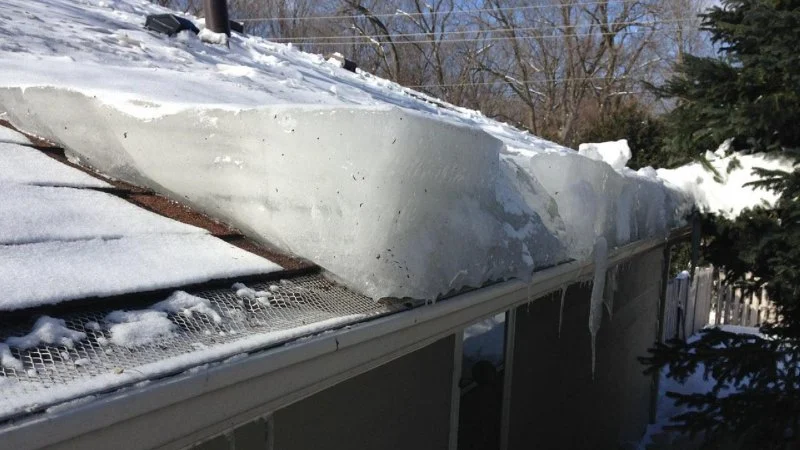
The most obvious sign of an ice dam is the presence of visible ice buildup along the edges of your roof. This accumulation of ice can form a ridge along the eaves, blocking proper drainage. If you notice icicles hanging from your roof, it’s a clear sign that the ice dam could be forming or has already formed.
Water Stains on the Ceiling or Walls
If water begins leaking into your attic, it can seep through the ceiling or walls below, leaving stains or watermarks. This is often a result of water backing up under the shingles and making its way into the interior of your home. If you see water stains on your ceiling or walls, it’s essential to inspect your roof for ice dam damage.
Damaged Roof Shingles
Ice dams can also cause shingles to lift or crack. The continuous freezing and thawing cycles can cause shingles to loosen, leading to gaps where water can enter your home. If you notice damaged or missing shingles, it’s important to check for underlying ice dam issues.
3. How Ice Dams Affect Your Attic
Ice dams don’t just affect your roof – they can cause significant damage to your attic as well. The following signs indicate that your attic may be experiencing ice dam damage:
Water Leaks in the Attic
When water backs up behind an ice dam, it can seep under your roof and into your attic. This can lead to water stains on the rafters, insulation, or the underside of the roof deck. If you notice damp spots in your attic, or if your insulation appears wet or compressed, ice dams could be the culprit.
Condensation and Mold Growth
The moisture from ice dam damage can cause excessive condensation in your attic, leading to the growth of mold and mildew. Mold growth not only compromises the structure of your home but can also pose health risks to your family. If your attic smells musty or you see signs of mold growth, it’s crucial to address the ice dam issue immediately.
Damaged Insulation
Water that leaks into your attic can also damage the insulation. When insulation becomes wet, it loses its effectiveness, which can lead to higher energy costs and a less comfortable home. If you notice that your attic insulation is damp or deteriorating, this could be a result of ice dam damage.
4. Preventing Ice Dams: Tips for Homeowners
Preventing ice dams is much easier and less expensive than repairing the damage caused by them. Here are a few tips to help protect your roof and attic from ice dams:
Improve Attic Insulation
One of the most effective ways to prevent ice dams is by improving your attic insulation. Proper insulation helps maintain a consistent temperature in the attic, reducing the amount of heat that escapes and melts snow on the roof. Consider adding more insulation or replacing old, ineffective insulation to ensure your attic stays cool and dry.
Ventilate Your Attic
Proper attic ventilation allows cold air to circulate, which helps prevent heat buildup. Installing vents in the eaves and ridge of your roof will allow for better airflow, keeping your attic temperature lower and preventing the snow from melting prematurely.
Install Ice and Water Shields
Ice and water shields are special membranes that are applied to the roof deck to prevent water from seeping under the shingles. Installing these shields along the eaves of your roof can provide an extra layer of protection against ice dams and prevent leaks.
Remove Snow from the Roof
If snow accumulates on your roof, consider removing it with a roof rake. Doing this can help prevent the snow from melting and refreezing, which is the primary cause of ice dams. Be sure to exercise caution when removing snow from your roof to avoid damaging the shingles or causing injury.
If you're dealing with ice dam damage or looking to prevent future issues, consider visiting Pro Found Roofing for expert advice, high-quality products, and roofing services to help protect your home.

 Pacific Roofing4.0 (13 reviews)
 Allied Construction, Roofing, Re-roofing and Repair5.0 (28 reviews)
 Boca Raton Roofer0.0 (0 reviews)
 Good Speedy Construction4.0 (10 reviews)
 Harris Roofing & Home Repair, LLC5.0 (1 reviews)
 Biscayne Construction Company DBA Biscayne Roofing & Waterproofing Systems4.0 (8 reviews)
 How to Repair a Hole in the Roof from a Fallen Satellite Dish or Antenna
 How Roofing Affects Home Resale Value in the U.S. Market
 How to Choose a Roof Color for a House with a Lot of White Trim
 How to Finance a New Roof Without Breaking the Bank
 The Best Roofing Materials for a Rental Property for Durability and Cost
 How to Install a Roof Vent for a Bathroom Fan to Prevent Moisture Buildup