Understanding How Homeowners Insurance Covers Roof Damage
- 1 - Common Causes of Roof Damage
- 2 - What Homeowners Insurance Typically Covers
- 3 - Situations That Are Not Covered by Insurance
- 4 - How to File a Roof Damage Claim
- 5 - Determining Repair or Full Roof Replacement
- 6 - Understanding Deductibles and Coverage Limits
- 7 - Preventative Measures to Protect Your Roof
- 8 - Professional Inspection and Documentation
- 9 - Choosing the Right Roofing Contractor
- 10 - Real-Life Case Studies and Experiences
- 11 - Long-Term Roof Maintenance Tips
1 - Common Causes of Roof Damage
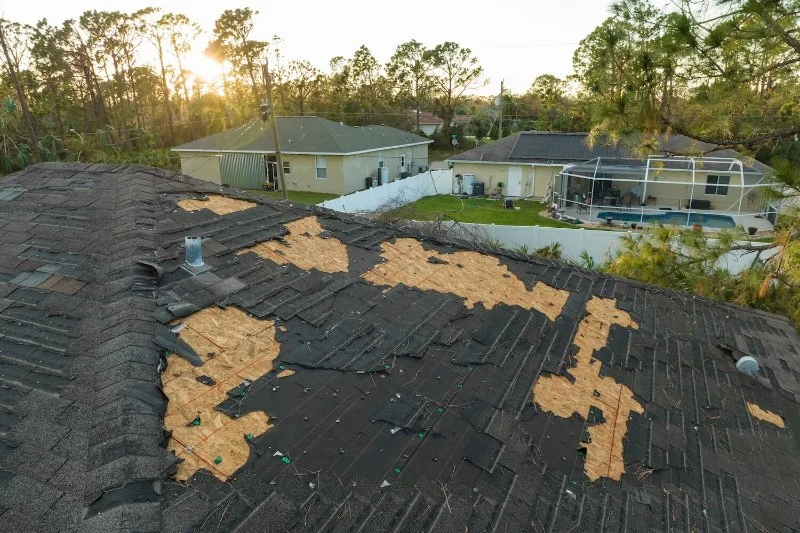
Roof damage can occur from various natural and human-made factors. Severe storms, heavy winds, hail, ice accumulation, and fallen trees are among the primary natural causes. Wear and tear over time, poor installation, or inadequate maintenance also contribute significantly to roof deterioration.

Gunner Roofing / gunner roofing
CromwellLower Connecticut River Valley Planning RegionConnecticut
700 Corporate Row, Cromwell, CT 06416, USA
2 - What Homeowners Insurance Typically Covers
Homeowners insurance usually covers sudden and accidental roof damage caused by perils listed in your policy, such as hailstorms, fire, lightning, windstorms, or falling objects. Coverage may include:
- Repair costs for damaged sections of the roof.
- Replacement of the entire roof if damage is severe and total replacement is necessary.
- Additional living expenses if the home becomes temporarily uninhabitable due to roof damage.
- Structural damage caused by water leaks resulting from covered perils.
3 - Situations That Are Not Covered by Insurance
Not all roof damage is covered. Homeowners insurance generally does not cover:
- Damage resulting from normal wear and tear or lack of maintenance.
- Negligence, such as delayed repair of minor leaks leading to major damage.
- Flood-related roof damage, which typically requires separate flood insurance.
- Damage caused by pests like termites or rodents.
4 - How to File a Roof Damage Claim
Filing a claim involves several critical steps to ensure a smooth process:
- Document the damage thoroughly with photos and videos immediately after discovery.
- Contact your insurance provider promptly to report the damage.
- Schedule an inspection with a licensed insurance adjuster.
- Provide all required documentation and receipts for repairs or temporary fixes.
5 - Determining Repair or Full Roof Replacement
The insurance company will evaluate whether the roof can be repaired or if a full replacement is necessary. Factors include:
- Extent and severity of damage across the roof.
- Age of the roof and remaining useful life.
- Cost-effectiveness of repairs versus complete replacement.
6 - Understanding Deductibles and Coverage Limits
Policies have deductibles, which is the out-of-pocket amount homeowners must pay before insurance coverage kicks in. Additionally, coverage limits define the maximum amount your insurance will pay. Understanding these elements is crucial to avoid unexpected costs.

JK Contractors / jk roofing
West BendOzaukee CountyWisconsin
3058 County Rd Y, West Bend, WI 53095, USA
7 - Preventative Measures to Protect Your Roof
Regular maintenance and inspections can minimize future claims and damage:
- Trim overhanging branches that can fall during storms.
- Clean gutters and downspouts to prevent water accumulation.
- Inspect shingles and flashing periodically for early signs of damage.
8 - Professional Inspection and Documentation
Hiring a licensed roofing contractor for periodic inspections helps maintain your roof's condition and provides professional documentation in case of an insurance claim. Keep records of all inspections and repairs to support future claims.
9 - Choosing the Right Roofing Contractor
For repairs or replacement, selecting a reputable roofing contractor is essential. Factors to consider include licensing, insurance, customer reviews, and experience with insurance claims. A trusted contractor ensures quality work and proper documentation for the insurance company.
10 - Real-Life Case Studies and Experiences
Homeowners have shared experiences where timely reporting and professional inspections led to successful insurance claims covering complete roof replacement after hail and wind damage. Conversely, delayed reporting or neglected maintenance often resulted in denied claims.
11 - Long-Term Roof Maintenance Tips
Maintaining your roof over the long term protects your investment and reduces insurance hassles:
- Schedule semi-annual inspections before and after storm seasons.
- Replace damaged shingles promptly.
- Maintain proper attic ventilation to prevent moisture buildup.
- For guidance on repairs and roofing solutions covered by insurance, visit Pro Found Roofing to connect with professional contractors and services tailored to your needs.

 Tatum Flat Roofing0.0 (0 reviews)
 Darwin's Property Solutions3.0 (7 reviews)
 Structured Home Services4.0 (11 reviews)
 Affordable Roof Cleaning3.0 (5 reviews)
 Munroe Roofing & Construction4.0 (61 reviews)
 Westwood Roofing4.0 (13 reviews)
 How to Choose a Roofing Contractor Who Offers Financing Options
 Roof Leak Repair Cost for Flat Roofs
 Choosing the Right Roof Color: Impact on Energy Efficiency and Curb Appeal
 How to Install Step Flashing on a Roof to Wall Intersection
 Average Cost to Replace Roof Sheathing
 Preparing Your Roof for a Hurricane: Steps to Take Before the Storm Hits | Pro Found Roofing