Identifying Signs Your Roof Deck Is Sagging and What to Do
- 1 - Understanding-Roof-Deck-Sagging
- 2 - Common-Signs-Of-A-Sagging-Roof
- 3 - Structural-Risks-And-Consequences
- 4 - Inspection-Tips-For-Homeowners
- 5 - Materials-And-Construction-Causes
- 6 - Maintenance-Strategies-To-Prevent-Sagging
- 7 - When-To-Call-A-Professional
- 8 - Real-Life-Cases-And-Repair-Insights
1. Understanding Roof Deck Sagging
Roof deck sagging occurs when the structural integrity of the roof weakens over time due to load, moisture, or material failure. Recognizing this early is crucial for safety and to prevent further damage.
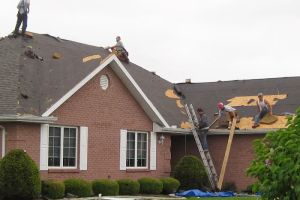
Lance Roofing & Siding Inc. / lance roofing and siding
6903 Dayton Springfield Rd, Enon, OH 45323, USA
1.1 Causes of Sagging
Common causes include prolonged water damage, excessive weight from snow or roofing materials, or improper framing during construction.
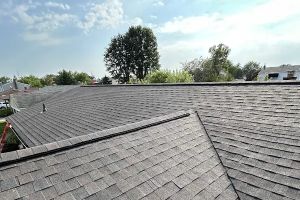
Victors Home Solutions / victors roofing
2722 E Michigan Ave suite 239, Lansing, MI 48912, USA
1.2 Importance of Early Detection
Detecting sagging early helps avoid extensive structural damage, costly repairs, and potential safety hazards.
2. Common Signs of a Sagging Roof
Several visual and physical indicators can signal a roof deck is sagging.
2.1 Visible Sagging or Bowing
Noticeable dips along rooflines, especially in the center or near roof valleys, often indicate structural weakening.
2.2 Interior Indicators
Ceiling cracks, uneven floors, or doors and windows that no longer close properly can signal a sagging roof above.
2.3 Drips and Water Damage
Persistent leaks or water stains on ceilings or walls may indicate roof deck deformation and compromised support.
3. Structural Risks and Consequences
Sagging roof decks pose serious safety and financial risks if left unaddressed.
3.1 Compromised Roof Stability
A weakened roof deck can lead to partial collapse, especially under heavy load from snow or debris.
3.2 Damage to Roof Coverings
Shingles or roofing materials may crack or shift due to uneven support, increasing the risk of leaks and water infiltration.
3.3 Increased Repair Costs
Delaying repairs can escalate damage, leading to expensive replacements of decking, rafters, and even structural framing.
4. Inspection Tips for Homeowners
Regular roof inspections help detect sagging early and minimize risk.
4.1 Exterior Roof Assessment
Check roofline from the ground for dips or uneven areas. Use binoculars for a closer look at shingles and flashing.
4.2 Attic Inspection
Look for sagging rafters, water stains, or daylight coming through the roof sheathing to identify potential deck issues.
4.3 Professional Evaluation
Schedule inspections with experienced roofing contractors, like Pro Found Roofing, for a comprehensive assessment.
5. Materials and Construction Causes
Understanding the construction and material factors helps explain why sagging occurs.
5.1 Substandard Materials
Low-quality plywood or OSB decking may warp or weaken faster, especially in humid climates.
5.2 Insufficient Support
Improper rafter spacing or undersized beams can lead to excessive deflection under load.
5.3 Moisture Penetration
Leaks or condensation weaken the wood and fasteners, accelerating sagging over time.
6. Maintenance Strategies to Prevent Sagging
Proactive maintenance can prolong the life of your roof deck.
6.1 Regular Cleaning and Debris Removal
Remove leaves, branches, and snow accumulation to prevent excess weight and moisture retention.
6.2 Roof Coating and Waterproofing
Apply protective coatings to reduce water penetration and UV damage to decking materials.
6.3 Monitor and Repair Leaks Promptly
Fix minor leaks immediately to prevent structural damage and sagging.
7. When to Call a Professional
Certain signs indicate the need for professional roofing intervention.
7.1 Significant Visible Sag
If dips or bows are noticeable from the ground or inside the attic, contact a licensed roofing contractor immediately.
7.2 Persistent Water Damage
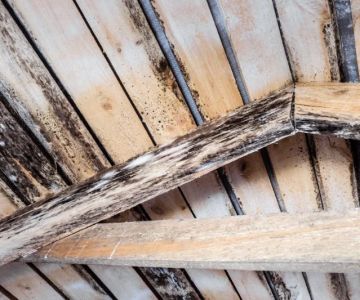
Continuous leaks or mold growth requires expert assessment to prevent further deterioration.
7.3 Structural Concerns
Any indication that rafters or decking are failing should prompt professional evaluation to ensure safety.
8. Real-Life Cases and Repair Insights
Understanding real examples can guide homeowners in addressing sagging roof decks effectively.
8.1 Case Study: Residential Roof in Ohio
Heavy snow accumulation caused a central sag. Pro Found Roofing replaced compromised decking and reinforced rafters, restoring stability.
8.2 Lessons Learned
Regular inspections and prompt repairs prevent small issues from becoming major structural problems.
8.3 Recommendations
Homeowners are encouraged to schedule professional roof evaluations annually, particularly after storms, to detect early signs of sagging and ensure the integrity of their roof. Explore Pro Found Roofing’s services to assess, repair, and maintain your roof deck efficiently.
 Crooked Ladder Roofing4.0 (158 reviews)
 A-1 Roofing Company3.0 (23 reviews)
 DLR Construction- Roofing Contractor and modular home builder5.0 (32 reviews)
 Vasa Roofing West Seattle4.0 (12 reviews)
 Campos Roofing Co4.0 (9 reviews)
 Lange Roofing4.0 (91 reviews)
 Should You Stay Home During Roof Replacement? Pros and Cons
 How to Get Multiple Roofing Quotes Quickly: A Complete Guide
 What is a Roofing Square? How to Calculate Waste Factor for a Roof Order
 Roof Maintenance Seasonal Checklist for Every Homeowner
 The Best Roofing Materials for a Lake House with High Humidity
 The Best Time to Schedule a Roof Replacement to Avoid Contractor Backlogs