
- 1. Understanding Heavy Rainfall Climates
- 2. Best Roofing Materials for Heavy Rainfall
- 3. Important Considerations When Choosing Roofing Materials
- 4. Case Study: Choosing the Right Roofing for a Heavy Rainfall Area
- 5. Roof Maintenance Tips for Rainy Climates
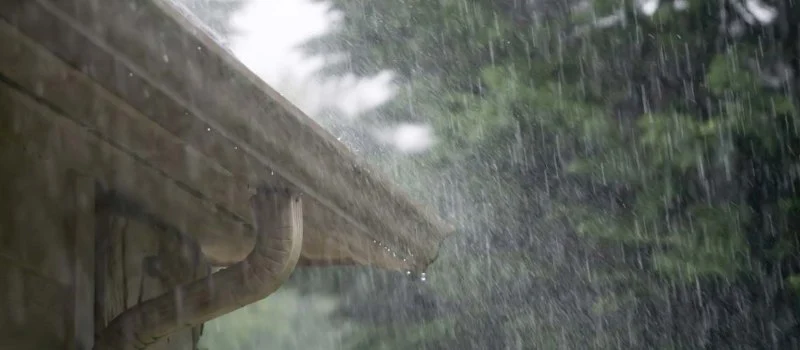
1. Understanding Heavy Rainfall Climates
Heavy rainfall climates, typically characterized by frequent and intense rainstorms, can cause significant wear and tear on homes and structures. In these environments, selecting the right roofing material is crucial to ensure long-term durability and protection. Homes in such areas must withstand constant exposure to moisture, which can lead to mold, leaks, and other water-related damages.
To properly address these challenges, homeowners should opt for materials that are resistant to water damage, provide effective drainage, and are low-maintenance to avoid costly repairs over time.
Lance Roofing & Siding Inc. / lance roofing and siding
6903 Dayton Springfield Rd, Enon, OH 45323, USA
2. Best Roofing Materials for Heavy Rainfall
The roofing material you choose for your home in a heavy rainfall climate should offer the best protection against water infiltration and withstand constant exposure to moisture. Here are the top materials recommended for such climates:

Holden Roofing (Houston Corporate) / holden roofing
RosenbergFort Bend CountyTexas
2128 1st St, Rosenberg, TX 77471, USA
Asphalt Shingles
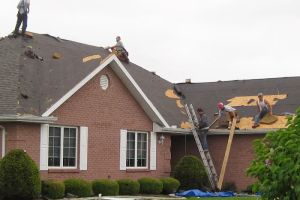
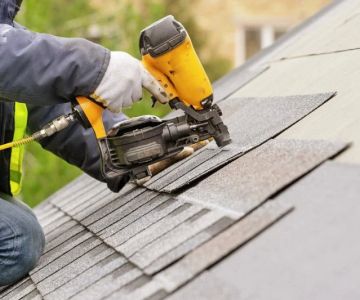
Asphalt shingles are one of the most popular roofing choices in regions with heavy rainfall. Their affordability, durability, and ease of installation make them a go-to for many homeowners. They are designed to shed water efficiently and can withstand high winds, which are often associated with rainy weather.
Metal Roofing
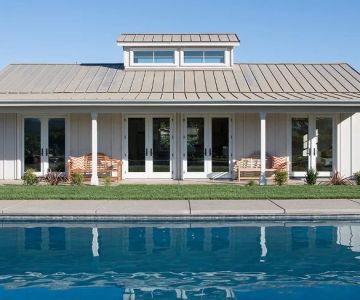
Metal roofing is another excellent choice for areas with heavy rain. It is highly resistant to water, rust, and corrosion, and its smooth surface allows rainwater to slide off quickly, reducing the risk of water accumulation. Metal roofs also last longer than most other materials, making them a worthwhile investment for homes in wet climates.
Cedar Shakes
Cedar shakes are a more natural option that can add a rustic aesthetic to your home. When treated properly, cedar is highly resistant to water damage, mold, and mildew. This makes it a good option for regions that experience both heavy rainfall and humidity.
Clay and Concrete Tiles
Clay and concrete tiles are incredibly durable and resistant to water, making them an ideal choice for areas prone to heavy rain. While they can be more expensive to install, their longevity and resistance to water damage can provide significant cost savings in the long run.
Rubber Roofing
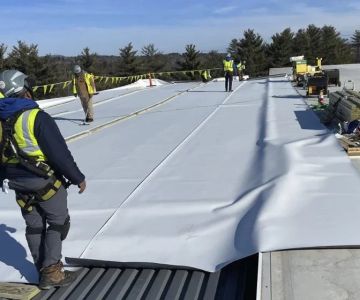
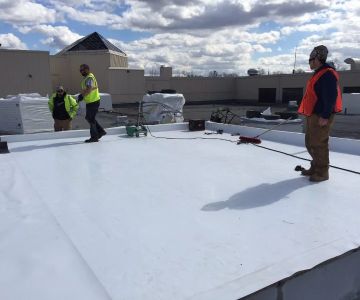
Rubber roofing is a great option for flat roofs in areas with heavy rain. It is water-resistant, flexible, and can easily be repaired if damaged. Rubber roofs are also environmentally friendly and provide excellent insulation against the elements.
3. Important Considerations When Choosing Roofing Materials
When selecting the best roofing materials for a home in a heavy rainfall climate, there are several factors to consider:
Durability and Longevity
Choose materials that are known for their long-lasting properties and ability to withstand harsh weather conditions. Materials like metal and clay tiles can last for decades with minimal maintenance.
Water Resistance
Water resistance is the most crucial factor when choosing roofing for rainy climates. Opt for materials that are designed to shed water efficiently and prevent leaks or water infiltration.
Maintenance Requirements
Some roofing materials, such as asphalt shingles, require periodic maintenance to ensure they remain in good condition. Consider the long-term maintenance costs when making your choice, as some materials like metal roofs require less upkeep.
Energy Efficiency
In addition to being waterproof, the roofing material should also offer energy efficiency to reduce heating and cooling costs. Materials like metal roofs provide excellent insulation, which can be beneficial for maintaining a comfortable indoor temperature year-round.
4. Case Study: Choosing the Right Roofing for a Heavy Rainfall Area
Consider a case where a homeowner in the Pacific Northwest experienced frequent leaks and mold growth on their roof after installing traditional asphalt shingles. The constant exposure to moisture and the region's heavy rains led to early deterioration. After consulting with a roofing expert, they decided to replace their shingles with a high-quality metal roof. This solution significantly improved the durability of the roof, reduced maintenance costs, and provided superior water resistance, ensuring the home was better protected against the region's challenging weather conditions.
5. Roof Maintenance Tips for Rainy Climates
To extend the life of your roof and keep it performing well in heavy rainfall climates, regular maintenance is essential:
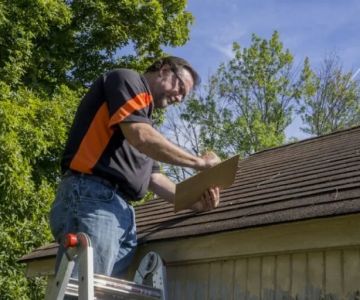
- Inspect your roof annually for signs of wear, such as cracked tiles or damaged flashing.
- Ensure gutters and downspouts are clear of debris to allow proper water flow.
- Consider applying a water-resistant coating to roofing materials for added protection against moisture.
- Fix leaks or damage promptly to prevent further water infiltration and costly repairs.
Proper roof maintenance can help keep your home safe, dry, and comfortable during heavy rainstorms. For more information on roof care and to find quality roofing services, check out our website at Pro Found Roofing.

 H & J Roofing4.0 (64 reviews)
 A Russo & Son Roofing5.0 (8 reviews)
 Lake Forest Premier Roofing Pros5.0 (2 reviews)
 Carden Home Improvement5.0 (164 reviews)
 Roof Doctors4.0 (26 reviews)
 SHC Roofing, Inc.5.0 (9 reviews)
 How to Clean Your Roof with a Leaf Blower for Regular Debris Maintenance
 How to Get an Accurate Roof Quote: What Information to Provide to Contractors
 How to Repair Cracked, Curling, or Missing Shingles: A DIY Guide
 How Roofing Affects Home Resale Value in the U.S. Market
 How to Choose a Roof Color for a House with a Blue or Gray Exterior
 Signs of a Roof That is Not Properly Vented: Rusty Nails and Damp Insulation