
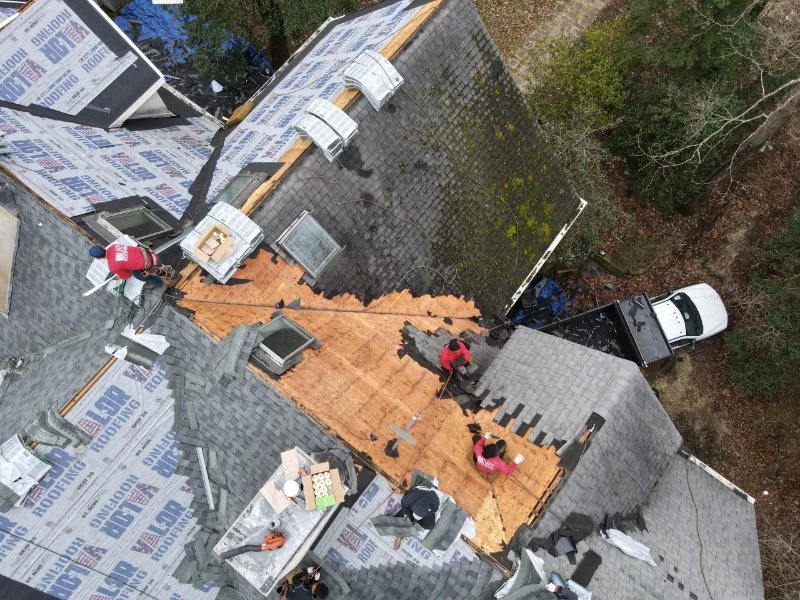
1. Roof Replacement Estimate Basics
When it comes to replacing your roof, one of the first steps is receiving an estimate from a professional roofing contractor. A roof replacement estimate is a detailed document that outlines the costs involved in the roofing project. It gives you a clear understanding of what you’re paying for and helps you make informed decisions when hiring a roofing contractor. But what exactly is included in a roof replacement estimate? Let’s break it down.
What Is a Roof Replacement Estimate?
A roof replacement estimate is a document prepared by a roofing contractor that provides an outline of the costs for replacing your roof. It includes everything from the materials needed, labor costs, additional fees, and any unforeseen factors that may affect the overall cost. The estimate ensures transparency, so you’re aware of where your money is going.
2. Key Components of a Roof Replacement Estimate
To understand your roof replacement estimate, it’s essential to know the key components that make up the cost. These include:
- Roof Materials: The type of materials used in the roofing project significantly affects the cost of the estimate.
- Labor Costs: The cost of labor will vary depending on the complexity of the project and the region you're in.
- Removal of Old Roof: If the old roofing materials need to be removed, this is usually included as an additional cost in the estimate.
- Permits and Inspections: Certain locations require permits and inspections, which will be reflected in the estimate.
- Warranty: Many roofing companies offer warranties on their work and the materials used, which can be factored into the estimate.
Understanding these components helps you evaluate if the estimate you receive is fair and accurate.
3. Roof Materials and Their Cost
The type of roofing materials you choose will significantly influence the cost of your roof replacement. The materials can range from traditional asphalt shingles to more premium options like metal or slate roofing. Each type of material comes with its pros and cons, including cost, lifespan, and aesthetics. Here’s a breakdown of common roofing materials and their costs:
- Asphalt Shingles: Typically the most affordable option, with prices ranging from $100 to $150 per square (100 square feet).
- Metal Roofing: Offers durability and energy efficiency, with costs ranging from $300 to $900 per square, depending on the type of metal used.
- Slate Roofing: A high-end material known for its longevity, costing anywhere from $600 to $1,500 per square.
- Wood Shingles: Offers a natural look but can be costly, ranging from $400 to $700 per square.
Choosing the right material for your roof will depend on your budget, the climate in your area, and how long you want your roof to last. It’s important to review these costs when considering your estimate.
4. Labor Costs and Fees
Labor is one of the largest components of a roof replacement estimate. The complexity of your roof, the difficulty of installation, and the experience of the crew will all influence the labor costs. Typically, labor costs are calculated per square (100 square feet) or on an hourly rate, and they can vary greatly depending on the region. In general, labor costs can range from $150 to $500 per square, depending on the roofing company and the specifics of the project.
Factors That Influence Labor Costs:
- Roof Size and Complexity: Larger or more complex roofs require more labor and may cost more to install.
- Roof Pitch: Steep roofs may require additional safety precautions and more time, which can increase labor costs.
- Location: Labor costs can vary significantly based on location, with urban areas typically having higher rates.
5. Additional Charges to Consider
In addition to the basic materials and labor costs, there are often additional charges that can impact the total cost of a roof replacement. These may include:
- Roof Removal: If the old roof needs to be removed, contractors may charge an additional fee, which can range from $100 to $300 per square.
- Permits and Inspections: Some areas require permits for roof replacement, which can add $100 to $500 to the cost.
- Disposal Fees: The cost of disposing of old roofing materials can add another $200 to $500 to the project.
- Upgrades: If you decide to add features like upgraded ventilation or insulation, these will be factored into the estimate.
6. Real-Life Case Study: Understanding an Estimate
Let’s say you’re replacing a 2,000-square-foot roof with asphalt shingles. After receiving an estimate from a contractor, you see the following breakdown:
- Materials: $5,000 for asphalt shingles
- Labor: $3,000 for installation
- Roof Removal: $500
- Permits and Inspections: $200
- Total Estimate: $8,700
In this example, the estimate is broken down into each component so you can see where the costs are coming from. By understanding the estimate, you can ask questions about any additional charges or clarify aspects of the project.
7. Tips for Reading and Comparing Roof Estimates
When reviewing roof replacement estimates, it’s important to ensure you’re comparing apples to apples. Here are some tips to help you understand and compare estimates:
- Ensure all components are included: Check that the estimate includes materials, labor, removal, and any additional charges.
- Compare material quality: Make sure the estimates are based on the same type of roofing material.
- Ask about warranties: Some contractors offer warranties on their work or the materials used, which could add value to your investment.
- Get multiple estimates: It’s always a good idea to get at least three estimates to compare prices and services.
By following these tips, you can make an informed decision and choose the best roofing company for your project.

 Assurance Roofing, LLC4.0 (35 reviews)
 ARS Accurate Roofing Systems5.0 (2 reviews)
 Romeoville Roofing Contractors5.0 (28 reviews)
 Epa Construction Corp4.0 (291 reviews)
 GIP RESTORATION SERVICES INC5.0 (66 reviews)
 NexGen Exteriors LLC0.0 (0 reviews)
 The Signs of Animal Nesting in Your Attic and How to Remove Them Safely
 How to Spot Early Signs of Roof Damage Before It’s Too Late
 How to Find a Reliable Roofing Contractor Near You
 The Average Lifespan of an Asphalt Shingle Roof in Different Climate Zones
 Top Mistakes Homeowners Make During Roof Repairs – How to Avoid Them
 Roof Replacement Permit Cost Explained