

- asphalt-shingles-overview - Affordable and widely used roofing option in the U.S.
- metal-roofing-durability-guide - High-performance roofing material for long lifespan and resilience
- clay-and-concrete-tiles - Traditional roofing with strong weather resistance and aesthetic appeal
- slate-roofing-premium-option - Natural stone roofing with exceptional longevity
- synthetic-roofing-modern-solutions - Innovative materials balancing cost, durability, and design
- real-life-roofing-case-studies - Practical homeowner experiences and lessons learned
- choosing-right-roof-for-climate - Matching roofing materials with environmental conditions
- maintenance-and-longevity-tips - How to extend roof lifespan effectively
- pro-found-roofing-services-insight - Professional guidance and roofing service considerations
Understanding Long-Term Roofing Durability in Modern Home Construction
When homeowners in the United States begin planning a roof replacement or new installation, the conversation almost always circles back to one central concern: longevity. The idea of installing a roof once and not worrying about it for decades is appealing, but the reality depends heavily on material selection, climate conditions, and installation quality. The search for the best roofing materials for long-term durability is not just about price or appearance—it’s about balancing resilience, maintenance needs, and long-term financial value.
Across regions like the Midwest with heavy snow loads, coastal areas facing hurricanes, or the Southwest with intense UV exposure, roofing materials behave differently. A material that lasts 50 years in a dry climate may degrade much faster in humid, storm-prone environments. Understanding these differences is essential before making a decision that will impact a home for decades.

Holden Roofing (Houston Corporate) / holden roofing
RosenbergFort Bend CountyTexas
2128 1st St, Rosenberg, TX 77471, USA
Asphalt Shingles: The Most Common but Often Misunderstood Choice
Why Asphalt Shingles Dominate the U.S. Roofing Market
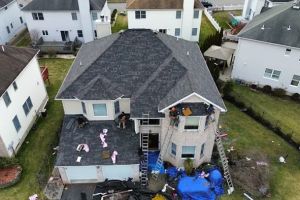
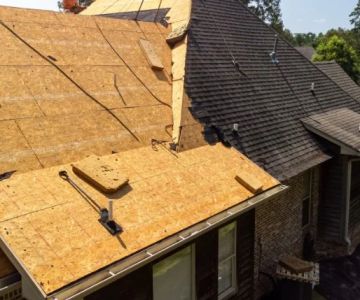
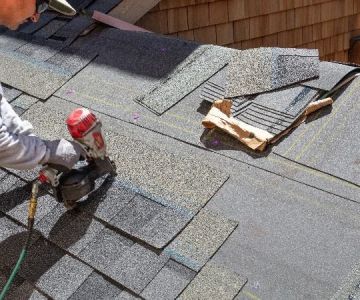
Asphalt shingles remain the most widely used roofing material in America due to their affordability and ease of installation. They are typically made from a fiberglass base coated with asphalt and mineral granules, offering a decent balance between cost and performance. For many homeowners, they represent the entry point into roofing solutions without a massive upfront investment.
Absolute Roofing / absolute roofing
TimoniumBaltimore CountyMaryland
22 W Padonia Rd # B229, Timonium, MD 21093, USA
Durability Expectations and Real-World Performance
Standard asphalt shingles generally last between 15 and 30 years depending on quality. Architectural shingles, a more advanced version, can extend lifespan closer to 30–40 years. However, their durability is highly sensitive to environmental conditions. In regions with frequent hailstorms or extreme heat, shingles may deteriorate faster than expected, leading to curling, granule loss, and eventual leaks.
A common scenario seen in suburban neighborhoods involves homeowners replacing asphalt roofs earlier than anticipated due to storm damage. While insurance often covers part of the cost, repeated replacements highlight the limitations of this otherwise popular material.
When Asphalt Shingles Make Sense
Despite limitations, asphalt shingles remain practical for budget-conscious homeowners or those planning to sell within a shorter timeframe. They offer a reasonable compromise between aesthetics and cost, especially when installed by experienced contractors who ensure proper ventilation and underlayment systems.
Metal Roofing: A Growing Leader in Long-Term Durability
Why Metal Roofing Has Gained Momentum
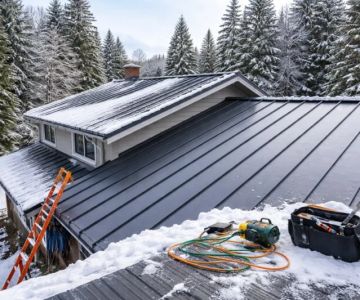
Metal roofing has moved from commercial buildings into residential neighborhoods across the United States, and for good reason. Its lifespan often ranges from 40 to 70 years, making it one of the strongest contenders in the category of best roofing materials for long-term durability. Materials like aluminum, steel, and zinc provide excellent resistance to weather extremes.
Performance in Extreme Weather Conditions
One of metal roofing’s strongest advantages is its resilience against wind, rain, and fire. In hurricane-prone areas like Florida, metal roofs have become increasingly common because they can withstand winds exceeding 140 mph when properly installed. Unlike asphalt shingles, metal panels do not absorb water or support mold growth, which significantly reduces long-term maintenance issues.
Energy Efficiency and Environmental Benefits
Metal roofing also reflects solar heat, reducing cooling costs during hot summers. This energy efficiency has made it especially attractive in states like Texas and Arizona. Additionally, many metal roofing systems are made from recycled materials and are fully recyclable at the end of their life cycle, making them an environmentally responsible choice.
However, installation cost is higher upfront, which can deter some homeowners. Still, many consider it a long-term investment that pays off over decades of reduced repair and replacement needs.
Clay and Concrete Tiles: Timeless Strength with Architectural Beauty
Historical Use and Modern Adaptation
Clay and concrete tiles have been used for centuries, particularly in Mediterranean and Spanish-style architecture. Today, they remain a premium roofing option in warmer climates across California, Florida, and the Southwest. Their distinctive appearance adds strong curb appeal while offering impressive durability.
Longevity and Structural Strength
Clay and concrete tiles can last 50 to 100 years when properly maintained. They resist fire, insects, and rot, making them a reliable long-term solution. However, their weight requires a reinforced roof structure, which can increase installation complexity and cost.
Real-World Considerations for Homeowners
A homeowner in Southern California once replaced an aging asphalt roof with concrete tiles after repeated heat damage issues. Within a decade, maintenance costs dropped significantly, and the home’s resale value increased due to the premium appearance and durability upgrade. This type of transition is common in regions where heat and sun exposure accelerate roof degradation.
Slate Roofing: The Premium Standard for Maximum Longevity
Natural Stone Roofing with Exceptional Lifespan
Slate roofing is often considered the gold standard when discussing long-lasting roofing systems. Made from natural stone, slate roofs can last 75 to over 100 years, with some historic buildings still maintaining original slate roofs centuries later.
Durability and Weather Resistance
Slate is resistant to fire, mold, and extreme weather conditions. Its density allows it to withstand harsh environmental stress without significant degradation. This makes it particularly suitable for regions with variable climates.
Challenges and Installation Complexity
Despite its durability, slate is expensive and requires highly skilled installation. Its weight also demands structural reinforcement, which can increase total project cost significantly. However, for homeowners seeking a long-term investment that may outlast multiple generations, slate remains unmatched.
Synthetic Roofing Materials: Modern Innovation Meets Practical Design
What Synthetic Roofing Brings to the Market
Synthetic roofing materials are designed to mimic the appearance of natural slate or wood shakes while offering improved flexibility and lower weight. These materials are engineered from rubber, plastic, or polymer composites, combining aesthetics with performance.
Durability and Cost Efficiency
Synthetic roofs typically last 30 to 50 years, depending on product quality. They are resistant to cracking, moisture absorption, and UV damage. For homeowners who want a premium look without the cost and weight of natural slate, synthetic options offer a balanced alternative.
Modern Home Applications
In suburban developments where design consistency and affordability matter, synthetic roofing has become increasingly popular. It allows homeowners to achieve upscale aesthetics while maintaining manageable installation and maintenance costs.
Real-Life Roofing Experiences That Shape Better Decisions
Storm Recovery and Material Choices
In the aftermath of severe storms across the Midwest, many homeowners discover the limitations of traditional asphalt roofing. Repeated hail damage often leads them to upgrade to metal or impact-resistant synthetic materials. These decisions are rarely made lightly, but they reflect a growing awareness of long-term durability versus short-term savings.
Climate-Driven Upgrades
In hotter regions, homeowners often transition from asphalt shingles to clay tiles or metal roofing after experiencing repeated heat-related deterioration. These upgrades not only improve durability but also reduce cooling costs, making them financially strategic over time.
Lessons from Long-Term Property Owners
Long-term homeowners frequently emphasize the importance of investing in quality upfront. Those who choose premium materials often report fewer maintenance issues and lower lifetime costs compared to those who opt for cheaper, short-term solutions.
Matching Roofing Materials with Climate and Property Needs
Environmental Factors That Influence Performance
Selecting the right roofing material requires careful consideration of climate conditions. Snow load, wind exposure, humidity, and temperature extremes all influence how a roof performs over time. A material that works well in one region may fail prematurely in another if not properly matched.
Architectural Style and Structural Capacity
Beyond climate, a home’s structure and design also determine suitable roofing options. Heavy materials like slate or tile require reinforced framing, while lighter materials like metal or asphalt can be installed on a wider range of structures.
Long-Term Financial Planning
Homeowners should also consider lifecycle costs rather than just upfront expenses. A roof that lasts twice as long often provides better value even if initial costs are higher. Maintenance frequency and repair needs should also factor into decision-making.
Maintenance Practices That Extend Roof Lifespan
Regular Inspections and Preventive Care
Routine roof inspections help identify minor issues before they become major problems. Checking for loose shingles, damaged flashing, or clogged drainage systems can significantly extend a roof’s lifespan.
Cleaning and Environmental Protection
Removing debris such as leaves and branches prevents moisture buildup and mold growth. In humid climates, this step is particularly important for preventing long-term structural damage.
Professional Maintenance Support
Working with experienced roofing professionals ensures that repairs are handled correctly and efficiently. This is where companies like Pro Found Roofing can provide valuable support, offering tailored solutions that align with both material choice and environmental conditions.
Professional Insight into Roofing Investments
Why Expert Installation Matters
Even the highest-quality roofing material will fail prematurely if installed incorrectly. Proper underlayment, ventilation, and sealing techniques are essential for maximizing performance and durability.
Balancing Cost, Quality, and Longevity
A well-informed roofing decision considers more than just initial price. It involves evaluating expected lifespan, maintenance requirements, and long-term savings. Professionals in the industry often emphasize that the cheapest option is rarely the most cost-effective over time.
Working with Trusted Roofing Providers
For homeowners seeking reliable guidance and installation services, Pro Found Roofing offers access to experienced professionals who understand regional roofing challenges and material performance differences. Their approach focuses on matching homeowners with solutions designed for durability and long-term value.

 Laubenstein Inc5.0 (5 reviews)
 Rentería Roofing Solutions LLC3.0 (7 reviews)
 Robert C Brown Custom Building & Remodeling0.0 (0 reviews)
 Bryan Siding & Roofing LLC5.0 (1 reviews)
 Cardinal Roofing & Remodels1.0 (1 reviews)
 Do Right Roofing4.0 (39 reviews)
 How Long Does Roof Installation Take? Timeline Explained
 What Is the Cheapest Roofing Material That Lasts?
 How to Choose a Roof Color for a House with a Lot of Windows | Expert Tips
 How to Finance a New Roof Without Breaking the Bank
 How to Choose the Right Roofing Material for Your Historic Home
 How to Install a Roof Vent for a Bathroom that Has No Existing Ventilation