Choosing the Right Roof Color: How It Affects Your Home's Energy Efficiency and Curb Appeal
- Why Roof Color Matters
- The Impact of Roof Color on Energy Efficiency
- How Roof Color Affects Curb Appeal
- Tips for Choosing the Right Roof Color
- Real-Life Example: How Roof Color Affected Energy Bills
Why Roof Color Matters
When it comes to your home’s exterior, the roof is one of the most prominent features. Choosing the right roof color is not just about aesthetics—it's a decision that can affect your home’s energy efficiency and curb appeal. The color of your roof plays a vital role in how your home interacts with heat, light, and the environment around it. It can make a noticeable difference in the comfort of your living space, as well as the overall appearance of your home.
With numerous roofing materials and color options available, it’s important to understand how your choice will impact your home in the long run. Whether you're building a new home or replacing an old roof, taking time to select the right color for your roof can have lasting effects on your energy bills and the value of your property.

Gunner Roofing / gunner roofing
CromwellLower Connecticut River Valley Planning RegionConnecticut
700 Corporate Row, Cromwell, CT 06416, USA
The Impact of Roof Color on Energy Efficiency
The color of your roof can significantly influence the temperature inside your home. Lighter roof colors, such as white, light grey, or beige, tend to reflect more sunlight, while darker colors absorb more heat. This difference in heat absorption can affect your home’s internal temperature and, by extension, your energy consumption.

Holden Roofing (Houston Corporate) / holden roofing
RosenbergFort Bend CountyTexas
2128 1st St, Rosenberg, TX 77471, USA
1. Lighter Roof Colors
Lighter-colored roofs are known for their reflective properties. These roofs reflect much of the sunlight that hits them, which helps reduce heat absorption. As a result, homes with lighter roofs tend to stay cooler in the summer, which can reduce the need for air conditioning and help lower energy costs. This makes lighter roof colors ideal for homes in warmer climates.
2. Darker Roof Colors
On the other hand, darker-colored roofs absorb more heat, which can be beneficial in colder climates. By absorbing more heat, dark roofs help warm the home during colder months, potentially reducing heating costs. However, during hot summer months, darker roofs can increase the need for air conditioning as they allow more heat into the house.
Ultimately, the best roof color for energy efficiency depends on your local climate and the balance you want to strike between heating and cooling costs. A well-chosen roof color can provide energy savings throughout the year.
How Roof Color Affects Curb Appeal
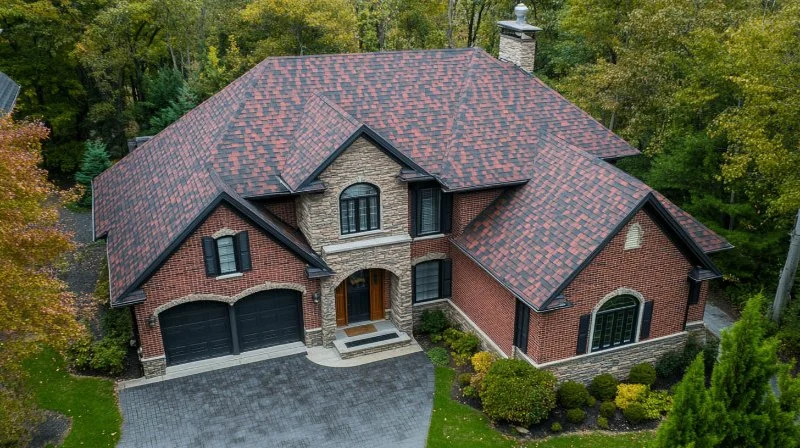
In addition to energy efficiency, roof color plays a major role in enhancing your home’s curb appeal. The color of your roof can complement or contrast with your exterior walls, landscaping, and overall design theme. A roof that harmonizes with the rest of your home creates a cohesive, appealing look. On the other hand, choosing a color that clashes with your exterior can create an unbalanced and less attractive appearance.
1. Classic and Traditional Roof Colors
Neutral colors such as grey, brown, and black are classic choices that never go out of style. These colors blend well with a variety of architectural styles and often provide a sophisticated, timeless look. They are also versatile and can work with both contemporary and traditional homes. If you’re unsure of what color to choose, these neutral tones are a safe bet for enhancing curb appeal.
2. Bold and Unique Roof Colors
If you want to make a statement with your home’s appearance, consider using a bold or unique roof color. Colors such as dark blue, red, or even green can give your home a distinctive character. These choices may be more suitable for homes with a modern or eclectic design, as they can create a striking visual effect. However, it’s important to ensure that the color complements the surrounding landscape and other elements of your exterior.
Tips for Choosing the Right Roof Color
Choosing the right roof color for your home requires careful consideration of several factors. Here are some practical tips to help guide your decision:
1. Consider Your Home’s Architectural Style
The style of your home can influence the best roof color for your property. For instance, a Victorian-style home may benefit from a more traditional roof color, while a modern home might look great with a bolder, contemporary color choice. Take into account the overall design of your house and aim for a roof color that complements it.
2. Match with Exterior Paint and Landscaping
When selecting a roof color, think about how it will work with your home’s exterior paint and landscaping. A roof that matches or contrasts nicely with the color of your walls can enhance the overall aesthetic. Be sure to look at the color of your siding, windows, and doors to ensure the roof color complements the entire home.
3. Keep Climate in Mind
As mentioned earlier, your local climate plays a significant role in the energy efficiency of your roof. If you live in a hot climate, lighter roof colors are ideal for keeping your home cool. In colder climates, a darker roof can help retain heat during the winter months. Consider how the roof color will impact your energy bills based on your region's climate.
4. Don’t Forget About Maintenance
Some roof colors may require more maintenance than others. Darker colors tend to show dirt, moss, and algae more easily, while lighter colors may be more resistant to visible dirt and stains. If you want a roof that requires less upkeep, consider a color that won’t show imperfections as readily.
Real-Life Example: How Roof Color Affected Energy Bills
John, a homeowner in Arizona, decided to replace his roof with a dark grey material in the hopes of matching his modern home’s aesthetic. However, after a few months, he noticed his energy bills climbing during the summer months. The dark roof absorbed too much heat, causing his air conditioning system to run constantly. After consulting with a roofing expert, John decided to install a light-colored roof. This simple change significantly reduced the heat absorption, leading to a noticeable drop in his energy costs, especially during the hot Arizona summers.
If you’re looking to make a similar change to your home, consider checking out Pro Found Roofing for expert advice and the best roofing materials suited to your home’s needs. Whether you're looking for energy-efficient options or stylish roofing choices, we offer a wide range of products that will suit your home’s design and climate.
 ABR Construction, Inc.5.0 (42 reviews)
 Capstone Restoration4.0 (5 reviews)
 Ed Hornberger's Roofing3.0 (6 reviews)
 N.E. Building & Restoration LLC4.0 (108 reviews)
 Homestead Roofing Company4.0 (138 reviews)
 Doda Brothers Construction Roofing and Siding5.0 (94 reviews)
 Top Mistakes Homeowners Make During Roof Repairs in the U.S.
 How to Check Roof Damage After Hail
 The Best Time to Paint a Metal Roof for the Best Adhesion and Longevity
 How to Spot Hail Damage on Different Roofing Types (Asphalt, Metal, Tile)
 Best Roofing Materials for Farmhouses and Country-Style Homes
 htmlCopy codeThe True Cost of a Built-Up Roof (BUR) with Gravel for a Commercial Building