- 1- Understanding Roofing Squares
- 2- Why Roofing Squares are Important
- 3- How to Account for Waste on a Complex Roof
- 4- Tips for Accurate Roofing Measurements
- 5- When to Call a Professional Roofer
1- Understanding Roofing Squares
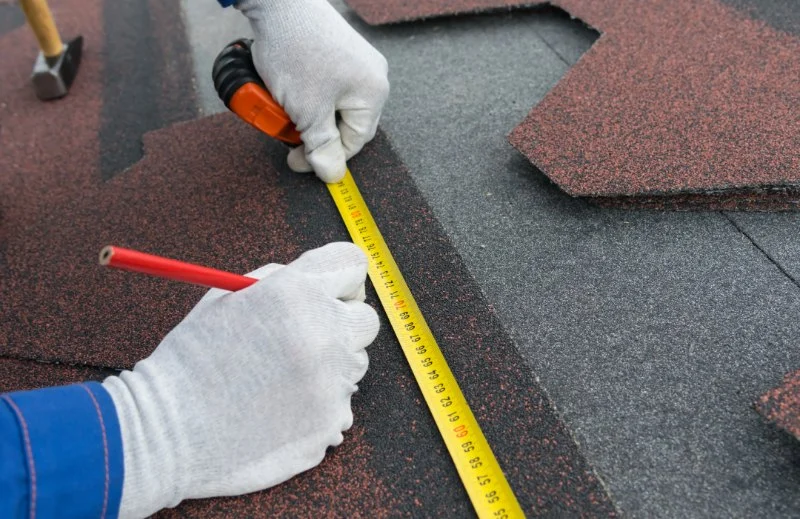
If you’ve ever been involved in a roofing project, you may have heard the term "roofing square." In the roofing industry, a roofing square refers to the unit of measurement used to calculate the amount of roofing material required for a project. One roofing square is equal to 100 square feet of roof surface. Knowing how to measure your roof using roofing squares is essential for accurate material estimation and budgeting.

Rapid Response Roofing / rapid response roofing
East GreenvilleMontgomery CountyPennsylvania
408 State St, East Greenville, PA 18041, USA
What is a Roofing Square?
A roofing square is simply a standardized measurement used by roofing professionals. It makes it easier to estimate the materials needed for roofing projects, such as shingles, underlayment, or metal panels. By calculating the roof area in squares, it simplifies material calculations and ensures that you have the right amount of supplies for the job.

Holden Roofing (Houston Corporate) / holden roofing
RosenbergFort Bend CountyTexas
2128 1st St, Rosenberg, TX 77471, USA
Why Roofing Squares are Used
Roofing squares are used because they provide a consistent way to estimate the amount of roofing material required, regardless of the shape or pitch of the roof. Without using roofing squares, it would be much more difficult to calculate the exact material requirements, leading to over or under-ordering.
2- Why Roofing Squares are Important
Understanding and using roofing squares is essential for homeowners, contractors, and roofing professionals alike. It helps to streamline the process of ordering materials and estimating costs. Here are some reasons why roofing squares are important:
Accurate Material Estimates
By using roofing squares, you can ensure you’re ordering the right amount of roofing materials. This prevents you from ordering too much, which wastes money, or too little, which can delay your project.
Standardized Measurement
Roofing squares provide a standardized unit of measurement that simplifies communication between homeowners, contractors, and suppliers. This standardization ensures that everyone is on the same page when it comes to the amount of material needed for a roofing project.
Budgeting and Cost Control
Accurate measurement using roofing squares helps control costs. If you know exactly how many squares of roofing material you need, you can better estimate the total cost of your project. This helps you stay within budget and avoid surprise expenses.
3- How to Account for Waste on a Complex Roof
When working with complex roof designs, accounting for waste is an important step in ensuring that you order enough materials. Complex roofs often have multiple slopes, valleys, dormers, and other features that can lead to additional waste during installation. Here's how to factor waste into your calculations:
1. Calculate the Total Roof Area
Start by measuring the total roof area in square feet. This includes measuring the length and width of each section of the roof, including slopes and hips. If the roof is particularly complex, break it down into individual sections, and measure each one separately. Add up the areas of all sections to get the total roof area.
2. Add a Waste Factor
Once you have the total roof area, it’s time to account for waste. For complex roofs, a typical waste factor is between 10% to 20%, depending on the complexity of the roof’s shape. Roofs with many angles, valleys, and dormers tend to have higher waste percentages because more material is cut and discarded during installation.
3. Factor in the Type of Roofing Material
The type of roofing material you choose will also affect the amount of waste. For example, asphalt shingles typically have less waste than tiles or slate, which require more cutting. Consider the type of material when calculating waste to ensure you're ordering the correct amount.
4. Use a Roofing Square Calculation Tool
To make the calculation process easier, many online tools and apps are available that can help estimate roofing material needs and waste. These tools allow you to input the dimensions of your roof and calculate the number of squares needed, including the waste factor. These tools are especially helpful for homeowners or DIYers who may not have experience in roofing calculations.
4- Tips for Accurate Roofing Measurements
Getting accurate measurements is key to ensuring you have enough roofing material for your project. Here are some tips to help you measure your roof more accurately:
1. Use a Ladder Safely
If you need to get up close to certain areas of the roof, use a sturdy ladder and make sure it is secure before climbing. If you’re uncomfortable or unable to access the roof safely, consider hiring a professional to do the measurements for you.
2. Measure Each Section Separately
For roofs with multiple sections, such as dormers or different slopes, it’s important to measure each section individually. This will give you a more accurate overall measurement, ensuring you don’t overlook any areas of the roof.
3. Check for Overhanging Eaves
Don’t forget to measure any overhanging eaves when calculating roof area. These can add extra surface area that must be covered by roofing material, so they should be factored into your total square footage.
4. Be Aware of Roof Pitch
The pitch (or slope) of the roof can also affect how much material you need. Roofs with a steep pitch may require more material because the surface area increases. Be sure to adjust your measurements for pitch to ensure accuracy.
5- When to Call a Professional Roofer
While calculating roofing squares and material waste can be manageable for small projects, complex roofs may require the expertise of a professional. Here are some situations where you should consider calling a roofer:
1. Complex Roof Designs
If your roof has intricate designs with multiple slopes, valleys, and skylights, it may be difficult to account for all areas accurately. A professional roofer has the experience and tools to properly measure the roof and account for waste.
2. Safety Concerns
If your roof is steep or difficult to access, safety should be a priority. Professionals have the proper equipment and training to inspect and measure high or hard-to-reach areas safely.
3. Expertise in Material Selection
Choosing the right roofing material can be confusing, especially when considering durability, aesthetic appeal, and cost. A professional roofer can help you select the best material for your roof and provide advice on waste management for different materials.
If you’re looking for professional help with your roofing project, visit Pro Found Roofing for expert services and quality roofing products that meet your needs.
 Fonseca Family Roofers4.0 (43 reviews)
 Ridge Top Exteriors4.0 (412 reviews)
 Affordable Roofing, LLC0.0 (0 reviews)
 StaDry Roofing & Restoration5.0 (13 reviews)
 Rare breed construction5.0 (1 reviews)
 Roberts Restorations, Inc.5.0 (10 reviews)
 Storm Damage Roof Repairs: What to Expect and How to Act Fast
 Best Roofing Materials for Townhouses and Rowhomes in the City
 How to Keep Squirrels, Raccoons, and Birds Out of Your Roof and Attic
 The Impact of Climate Change on Roofing: Choosing Durable Materials for Extreme Weather
 How to Safely Remove Moss and Algae from Your Roof - Step-by-Step Guide
 How to Choose the Best Roof Color for Energy Efficiency