
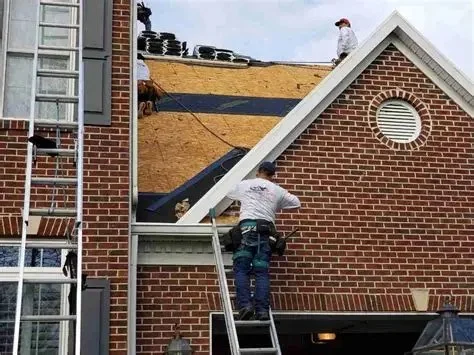
Best Time of Year to Replace Your Roof in the United States
- Why Seasonal Timing Matters for Roof Replacement
- Spring Roof Replacement: Benefits and Considerations
- Summer Roof Replacement: Pros and Cons
- Fall Roof Replacement: Why It’s Often the Best Option
- Winter Roof Replacement: Is It Feasible?
- Real-Life Case: Choosing the Right Time for Roof Replacement
Why Seasonal Timing Matters for Roof Replacement
Replacing your roof is a significant investment, and choosing the right time of year to do it can affect both the cost and quality of the work. Weather conditions, contractor availability, and material prices all fluctuate throughout the year, so it's important to plan your roof replacement around the ideal season to ensure the best results.
Each season has its own advantages and disadvantages when it comes to roof replacement. Understanding these factors can help you avoid delays, reduce costs, and ensure that your new roof lasts for years to come.

Holden Roofing (Houston Corporate) / holden roofing
RosenbergFort Bend CountyTexas
2128 1st St, Rosenberg, TX 77471, USA
Spring Roof Replacement: Benefits and Considerations
Spring is a popular time for roof replacements, and for good reason. The moderate temperatures and lower chance of extreme weather make it an ideal season for roofing contractors to work efficiently.
Benefits:
1. Ideal Weather Conditions: With temperatures between 45°F and 85°F, spring provides the perfect weather for roofing. This allows materials like shingles to seal properly and ensures that roofing workers can complete the job without interruptions caused by weather extremes.
2. Increased Availability of Contractors: Spring is the start of the roofing season, and contractors are typically more available. This can mean faster scheduling and potentially better pricing compared to peak summer months.
Considerations: While spring offers great weather, rain is still a possibility, which could delay the roofing process. Ensure your contractor is prepared for any unexpected weather conditions.

Gunner Roofing / gunner roofing
CromwellLower Connecticut River Valley Planning RegionConnecticut
700 Corporate Row, Cromwell, CT 06416, USA
Summer Roof Replacement: Pros and Cons
Summer is the peak season for roof replacements. The warm weather is ideal for contractors, but it also comes with some trade-offs.
Benefits:
1. Consistent Weather: Summer provides consistent sunny days, making it less likely that your project will be delayed by rain. Materials such as shingles will seal quickly, which is ideal for preventing leaks.
2. High Availability of Contractors: Since it’s the busiest time of the year, contractors may have more availability for last-minute scheduling, but you may have to wait longer than in spring for a spot.
Considerations: While the weather is predictable, extreme heat can pose challenges. Temperatures above 90°F can make it harder for roofing materials to adhere properly. Additionally, contractor prices can be higher due to increased demand.
Fall Roof Replacement: Why It’s Often the Best Option
Fall is considered one of the best times to replace your roof, and it’s a top choice for many homeowners.
Benefits:
1. Ideal Weather for Roofing: Fall offers cooler temperatures, typically between 50°F and 70°F, which helps ensure that roofing materials seal properly. This is the sweet spot for roofing contractors, as they can work comfortably without dealing with the intense heat or humidity of summer.
2. Flexible Contractor Availability: After the summer rush, contractors are often more available in the fall. This can give you better pricing and faster service compared to peak season.
3. Preventing Winter Damage: Fall roof replacements allow homeowners to address any issues before winter. This ensures that your roof is in good condition before snow and ice can cause further damage.
Considerations: The downside to fall replacements is the possibility of early winter storms that could disrupt the work schedule. However, this is less of a risk than replacing your roof in the winter.
Winter Roof Replacement: Is It Feasible?
Winter roof replacement is not ideal for most regions, but it is possible under certain conditions. Many contractors will still work during the winter months, especially in areas that don’t experience extreme cold.
Benefits:
1. Off-Peak Pricing: Since winter is the least busy season, you may be able to find discounts or lower rates for roof replacement services.
2. Availability of Contractors: With fewer projects during the winter, contractors are often more available, which can help you schedule your roof replacement quickly.
Considerations: The biggest challenge in winter is the weather. Cold temperatures, snow, and ice can delay or halt roofing projects. Additionally, materials like shingles may not adhere properly if the temperature is too low. If you live in an area with harsh winters, winter roof replacements should be avoided.
Real-Life Case Study of Roof Replacement
Mary and John from Michigan decided to replace their roof in the fall, just before the winter season. They chose to do so to avoid the snow and freezing temperatures that often come with Michigan winters. By scheduling the work in early October, they took advantage of cooler temperatures and got the job done quickly without worrying about weather delays. Their decision to replace the roof in the fall saved them from potential winter damage, and they were able to enjoy peace of mind knowing their new roof would last for years to come.
This real-life case illustrates the importance of considering the seasonal timing for roof replacement. By choosing the right season, you can avoid unnecessary delays, reduce costs, and ensure that your new roof will perform at its best.
 Shepherd Brothers Roofers4.0 (9 reviews)
 Austin Commercial Roofing Contractors5.0 (7 reviews)
 All Conditions Roofing LLC5.0 (275 reviews)
 Advantage Green Solutions5.0 (5 reviews)
 Brandywine Exteriors4.0 (62 reviews)
 Preferred Quality Solutions5.0 (3 reviews)
 DIY Roof Repair Tips: Safely Fix Roof Issues Yourself
 Top Mistakes Homeowners Make During Roof Repairs and How to Avoid Them
 How to Fix a Leak in a Flat Roof with a Liquid Rubber Sealant
 How to Repair a Leaking Roof on a Mobile Home with a Metal Roof
 Do You Need to Replace Roof Before Selling? Key Factors to Consider
 How to Install a Ridge Vent on a Roof with a Ridge Board Instead of a Peak