
- 1- Introduction
- 2- Immediate Steps to Take After Roof Damage
- 3- How to Handle Emergency Roof Repairs
- 4- Choosing a Roofing Contractor for Emergency Repairs
- 5- Real-Life Case: Emergency Roof Repair After Storm
1- Introduction
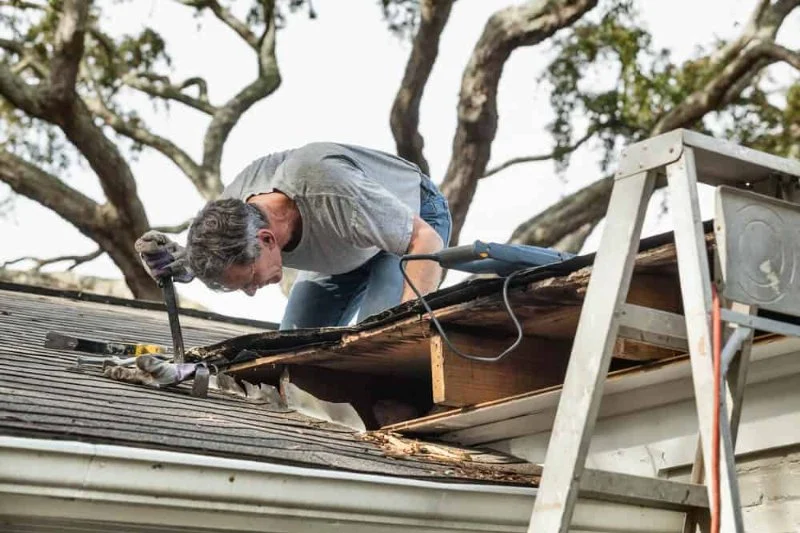
Severe storms and fallen trees can cause significant damage to your roof, leaving you with the urgent need for roof repairs. Roof damage from storms, strong winds, or trees falling can compromise the safety of your home and belongings. Knowing how to handle emergency roof repairs promptly and effectively can prevent further issues, protect your property, and minimize costs. In this article, we’ll walk you through the steps to take after your roof is damaged, how to handle emergency repairs, and what to consider when choosing a contractor for repairs.

JK Contractors / jk roofing
West BendOzaukee CountyWisconsin
3058 County Rd Y, West Bend, WI 53095, USA
2- Immediate Steps to Take After Roof Damage
When your roof is damaged by a storm or tree fall, it’s essential to act quickly to avoid further harm. Here are the initial steps you should take:
Lance Roofing & Siding Inc. / lance roofing and siding
6903 Dayton Springfield Rd, Enon, OH 45323, USA
1. Inspect the Damage Safely
Before attempting to inspect the damage, ensure your safety. If the roof is severely damaged, stay indoors and avoid approaching the damaged areas, especially during heavy rain or strong winds. You can inspect the damage from the ground, looking for visible signs of leaks, fallen tree branches, or holes.
2. Protect Your Property
Once you've identified the damage, the next step is to minimize further harm. If the damage is severe, cover the area with a tarp or plastic sheeting to protect your home from rain or water damage. You can use a ladder to carefully cover the roof, or, if it's safe, call a professional for help.
3. Document the Damage
Take photos of the roof damage as soon as possible. This will be important for your insurance claim and for providing contractors with a clear understanding of the work required. Make sure to capture any visible damage from multiple angles to provide thorough documentation.
3- How to Handle Emergency Roof Repairs
Handling emergency roof repairs requires a calm and organized approach. Here’s how you can manage the situation:
1. Contact an Emergency Roofing Contractor
Emergency roof repairs require the help of a professional. It’s crucial to contact a certified roofing contractor who specializes in emergency services. Look for a contractor with a reputation for handling urgent situations, such as storm damage or fallen trees. Be sure to ask about their availability and response time, especially during peak storm seasons.
2. Get Temporary Repairs Done
Many roofing contractors can perform temporary repairs to prevent further damage until permanent fixes can be made. Temporary repairs might include applying a tarp, securing loose shingles, or reinforcing the roof to stop leaks. Ensure that you request these temporary measures as soon as possible to protect your home from additional damage.
3. Assess the Full Scope of Repairs
Once the immediate issues are addressed, your roofing contractor should conduct a thorough inspection to assess the full extent of the damage. This will help determine what parts of the roof need to be repaired or replaced. Full assessments often involve inspecting the structural integrity of the roof, checking for leaks, and reviewing the roofing materials affected by the storm or tree fall.
4- Choosing a Roofing Contractor for Emergency Repairs
Choosing the right roofing contractor is crucial for ensuring the quality and reliability of your emergency repairs. Here are some tips to help you make the best choice:
1. Verify Licenses and Insurance
Make sure the roofing contractor is licensed and insured to perform repairs in your area. This will protect you in case of accidents or further damage during the repair process. A professional contractor will have the proper credentials and insurance to work safely and legally.
2. Look for Experience with Emergency Repairs
Not all roofing contractors specialize in emergency repairs. Look for a contractor with experience dealing with storm damage, tree falls, or urgent repair needs. They should be familiar with the unique challenges and urgency of these situations.
3. Get Multiple Quotes
Before hiring a contractor, it's a good idea to get quotes from multiple roofing companies. Compare prices, service offerings, and customer reviews to ensure you're getting the best value for your money. A reputable contractor will provide a transparent quote with no hidden fees.
5- Real-Life Case: Emergency Roof Repair After Storm
Take the example of Sarah, a homeowner whose roof was severely damaged after a tree fell during a strong windstorm. She immediately contacted a roofing contractor known for emergency services. The contractor arrived within hours, secured the roof with a temporary tarp, and began assessing the damage. Over the next few days, the contractor worked with Sarah’s insurance company to get the necessary approvals for full repairs. Thanks to the quick response and professional service, Sarah's home was protected, and the roof was fully repaired within a week, preventing further water damage.


 Go Local Roofing0.0 (0 reviews)
 Model City Roofing5.0 (36 reviews)
 A Peak Above Roofing Inc4.0 (8 reviews)
 Stanford Construction5.0 (1 reviews)
 Custom Roofing Solutions5.0 (9 reviews)
 JD Roofing LLC0.0 (0 reviews)
 Best Roofing Materials for Townhouses and Rowhomes in the City
 How to Choose a Roofing Contractor Who is an Authorized Installer for the Brand
 Understanding Roofing Ventilation Systems and Why They Matter
 The Best Time of Year to Replace or Repair Your Roof - Tips for Homeowners
 How to Choose a Roofing Material That Matches Your Neighborhood's Aesthetic
 How to Find a Local Roofer You Can Trust: Online Reviews, References, and Certifications