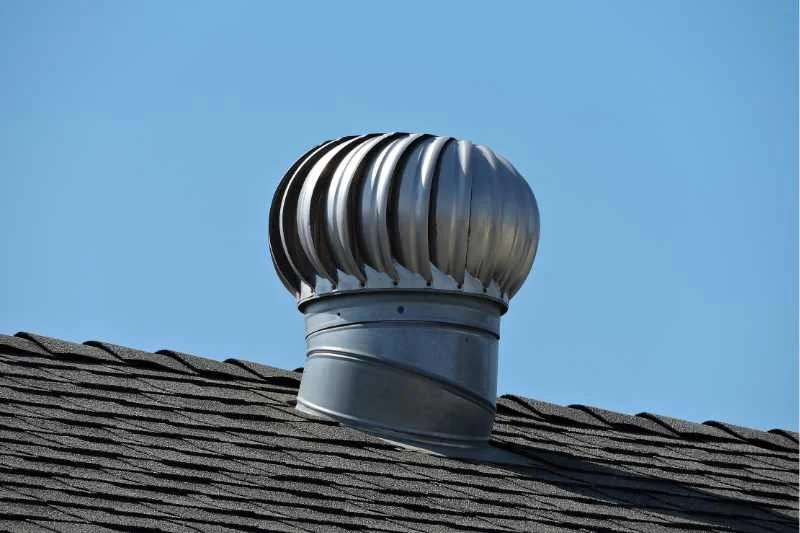
Understanding Roofing Ventilation Systems and Why They Matter
1 - Introduction: What is Roofing Ventilation?
Roofing ventilation refers to the system of vents and airflow mechanisms designed to regulate the temperature and humidity levels within your attic space. Proper ventilation allows air to circulate freely, helping to maintain the health of your roof and the entire structure of your home. In this article, we will explore why roofing ventilation systems are essential, the types of systems available, and how to maintain an effective ventilation setup for your roof.
2 - Why is Proper Roofing Ventilation Important?
Proper ventilation in your roofing system is crucial for several reasons. Without it, your home could face issues such as:
- Preventing Heat Buildup: During hot summer months, a poorly ventilated roof can cause the attic temperature to rise, leading to excessive heat buildup. This heat can damage roofing materials and increase energy bills by overworking your air conditioning system.
- Moisture Control: Without proper ventilation, moisture from the air can build up in your attic, leading to the growth of mold and mildew. This can weaken the structure of your roof and lead to expensive repairs.
- Extending Roof Lifespan: A well-ventilated roof can help prevent premature aging of your shingles by allowing the roof to breathe, minimizing the impact of extreme temperature fluctuations.
3 - Types of Roofing Ventilation Systems
There are various types of roofing ventilation systems designed to promote airflow and control temperature and moisture levels. The most common systems include:
- Ridge Vents: Installed along the peak of your roof, ridge vents provide a continuous flow of air, allowing warm air to escape from the attic. These are often used in combination with soffit vents.
- Soffit Vents: Located in the eaves of your roof, soffit vents allow cool air to enter the attic. When paired with ridge vents, they create a passive airflow system that works effectively to remove hot, humid air.
- Gable Vents: Placed on the sidewalls of your attic, gable vents promote airflow by allowing air to move through the attic space. These vents are ideal for homes with a gable roof structure.
- Power Vents: Powered by electricity, power vents actively expel air from the attic, making them ideal for larger homes or areas with high moisture buildup.
4 - How to Ensure Your Roof is Properly Ventilated
Ensuring your roof is properly ventilated involves checking several factors, including the type of ventilation system, the placement of vents, and maintaining airflow. Here are some steps to follow:
- Assess Your Current Ventilation: Start by evaluating your current roof ventilation. Check for any blocked vents or areas where air cannot flow freely. A professional roofing contractor can help you identify any ventilation issues.
- Install the Right Type of Ventilation: Choose the appropriate type of ventilation system based on your roof design and climate. In areas with high humidity, consider adding power vents for enhanced airflow.
- Balance Intake and Exhaust Vents: Proper ventilation requires a balance between intake and exhaust vents. If the intake vents are too small or blocked, the system won’t function as effectively, leading to reduced airflow and performance.
5 - Common Mistakes to Avoid with Roofing Ventilation
When dealing with roofing ventilation, homeowners can make several common mistakes that can hinder the effectiveness of the system. Here are some errors to avoid:
- Ignoring Vent Placement: Proper placement of vents is critical. Ensure that intake vents are located in areas that allow cool air to enter, while exhaust vents are placed where hot air can escape. Poor placement can cause the system to malfunction.
- Overlooking Maintenance: Regular maintenance is essential for maintaining proper ventilation. Make sure vents are clean and free from debris to allow for unobstructed airflow. Neglecting this can lead to moisture buildup and mold growth.
- Underestimating the Importance of Balance: Many homeowners forget that balanced airflow between intake and exhaust vents is key to the system’s success. A proper balance will maximize efficiency and prevent temperature and moisture issues.
6 - Conclusion: The Benefits of Proper Roofing Ventilation
In conclusion, a well-maintained roofing ventilation system is essential for the health of your home. By ensuring proper ventilation, you can extend the life of your roof, prevent costly repairs, and create a more energy-efficient home. Don’t overlook the importance of roofing ventilation—take steps today to assess your system and make any necessary improvements. For more information on how to maintain or install a roofing ventilation system, visit Pro Found Roofing.


 Top Flight Roofing LLC4.0 (58 reviews)
 Executive Roof Services3.0 (61 reviews)
 EP Roofing LLC4.0 (59 reviews)
 Tri-State Windows, Siding and Roofing4.0 (172 reviews)
 Storm Shield Roofing and Restoration5.0 (43 reviews)
 Gomez Roofing Co4.0 (44 reviews)
 What is a Roofing Ice Dam? How Heat Loss from Your Home Creates This Problem
 A Homeowner's Guide to Filing an Insurance Claim for Roof Damage Successfully
 The Best Time to Schedule a Roof Repair to Avoid the Busy Season
 What is a Roofing Cricket? How It Prevents Water Buildup Behind Chimneys
 What Roof Color Is Best for Energy Efficiency? Climate-Based Guide
 The Best Time of Year to Replace or Repair Your Roof