
- 1. Understanding the Importance of Hurricane-Proof Roofs
- 2. Best Materials for Hurricane-Resistant Roofs
- 3. Effective Roof Reinforcement Techniques
- 4. Cost and Benefits of Hurricane-Proofing Your Roof
- 5. Real-Life Case Studies of Roofs Surviving Hurricanes
1. Understanding the Importance of Hurricane-Proof Roofs
Hurricane-proofing your roof is one of the most crucial steps in safeguarding your home from the devastating effects of a storm. A properly reinforced roof can prevent wind, rain, and flying debris from causing catastrophic damage to your property. Since hurricanes are becoming more frequent and intense, taking proactive steps to strengthen your roof can save you thousands of dollars in repairs and ensure the safety of your loved ones.

JK Contractors / jk roofing
West BendOzaukee CountyWisconsin
3058 County Rd Y, West Bend, WI 53095, USA
2. Best Materials for Hurricane-Resistant Roofs
The materials you choose for your roof play a significant role in its ability to withstand the powerful forces of a hurricane. Here are some of the best options to consider:
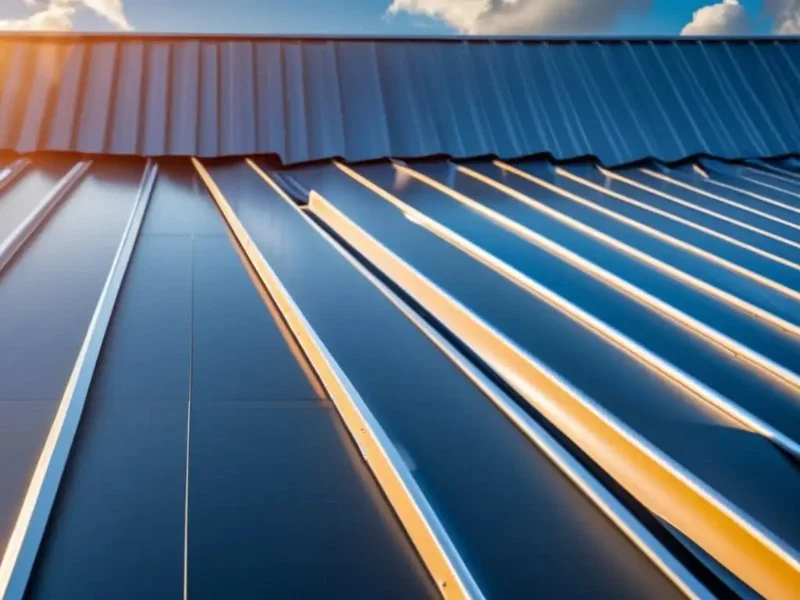
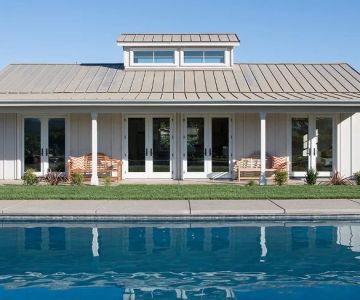
- Metal Roofing: Metal roofs are highly resistant to wind and rain. Their smooth surface allows wind to pass over them more easily, reducing the chance of wind damage. Additionally, they are fire-resistant and long-lasting, making them an excellent choice for hurricane-prone areas.
- Concrete Tiles: Concrete roof tiles are incredibly durable and can withstand high winds. They also provide good insulation and can last for decades. Their weight and strength make them an ideal material for hurricane-proofing roofs.
- Clay Tiles: Like concrete tiles, clay tiles are strong and resistant to wind damage. They are also resistant to moisture, which makes them ideal for hurricane-prone coastal areas. However, they require proper installation to avoid cracking under pressure.
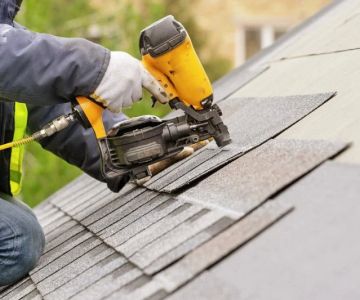
- Impact-Resistant Shingles: These shingles are specially designed to endure high winds and flying debris. Made from materials like fiberglass, they are both lightweight and durable, making them an affordable option for homeowners looking to protect their roof against hurricanes.
3. Effective Roof Reinforcement Techniques
In addition to choosing the right materials, there are several roof reinforcement techniques that can further enhance your roof’s hurricane resistance:
- Roof Strapping: Installing metal straps that secure the roof to the walls of your home is a crucial reinforcement technique. This will help prevent your roof from being lifted off by high winds.
- Hurricane Clips: These clips are used to strengthen the connection between the roof and walls, reducing the likelihood of roof uplift during a storm. They are typically used in homes that have gable roofs.
- Improved Flashing: Flashing around chimneys, vents, and skylights can help prevent water infiltration during a hurricane. Make sure the flashing is properly installed and sealed to reduce the risk of leaks.
- Decking Reinforcement: Reinforcing the roof deck by using plywood or oriented strand board (OSB) with stronger nails or screws will help ensure that your roof can withstand the pressure exerted by high winds.
4. Cost and Benefits of Hurricane-Proofing Your Roof
While hurricane-proofing your roof can come with a significant upfront cost, the long-term benefits far outweigh the expenses. A reinforced roof can protect your home and belongings from major damage, reducing the need for expensive repairs after a storm. Additionally, it can help lower your insurance premiums, as insurers often offer discounts for homes with hurricane-resistant features.
Typical costs for reinforcing a roof can range from $3,000 to $10,000 depending on the materials used and the extent of the reinforcement. However, this investment can save you tens of thousands of dollars in repair costs and prevent emotional stress during hurricane season.

Gunner Roofing / gunner roofing
CromwellLower Connecticut River Valley Planning RegionConnecticut
700 Corporate Row, Cromwell, CT 06416, USA
5. Real-Life Case Studies of Roofs Surviving Hurricanes
To highlight the importance of proper roof reinforcement, let’s look at some real-life case studies of homes that survived hurricanes thanks to well-maintained, hurricane-resistant roofs:
- Hurricane Katrina (2005): Homes with metal roofing and proper reinforcement techniques saw significantly less damage during Hurricane Katrina. These homes were able to withstand winds exceeding 150 mph, with minimal water damage.
- Hurricane Harvey (2017): Homes that had installed impact-resistant shingles and hurricane clips reported fewer instances of roof failure. Even with the heavy rainfall and strong winds, the roofs held up well under pressure.
- Hurricane Irma (2017): Many homes with concrete tile roofs survived Hurricane Irma with minimal damage. The weight and durability of the tiles helped keep them intact during high winds, providing valuable protection to homeowners.
As you can see, investing in the right materials and reinforcement techniques can make all the difference when it comes to protecting your home from a hurricane. For more guidance on hurricane-proofing your roof, or to find quality roofing products, visit Pro Found Roofing to get the best products and services for your home!
 Weather Shield Roofing Services llc5.0 (4 reviews)
 Right Way Roof0.0 (0 reviews)
 Allstate Roofing4.0 (8 reviews)
 Alpha Roofing and Construction, LLC4.0 (80 reviews)
 New Village Roofing4.0 (19 reviews)
 The Roof Father5.0 (3 reviews)
 How to Prevent Roof Damage from Clogged Gutters and Downspouts
 The Truth About Roofing Warranties: What’s Actually Covered
 The Process of Installing a Slate Roof: The Gold Standard in Roofing Longevity
 How Roofing Affects Home Resale Value – Expert Insights
 The Best Time to Replace Your Roof: Spring and Fall Weather Windows
 The Average Cost of a Roof Replacement with CertainTeed Landmark PRO Shingles