
- 1. What is a Roofing Square?
- 2. How to Calculate a Roofing Square
- 3. Understanding Waste Factor in Roofing
- 4. How to Calculate Waste Factor for Your Roof Order
- 5. Practical Tips for Ordering Roofing Materials
- 6. Conclusion
1. What is a Roofing Square?
A roofing square is a unit of measurement used by roofers to determine how much material is needed for a roofing project. One roofing square equals 100 square feet of roofing area. This measurement helps roofing professionals estimate the amount of material, such as shingles or tiles, required for a roof installation or replacement.

Gunner Roofing / gunner roofing
CromwellLower Connecticut River Valley Planning RegionConnecticut
700 Corporate Row, Cromwell, CT 06416, USA
2. How to Calculate a Roofing Square
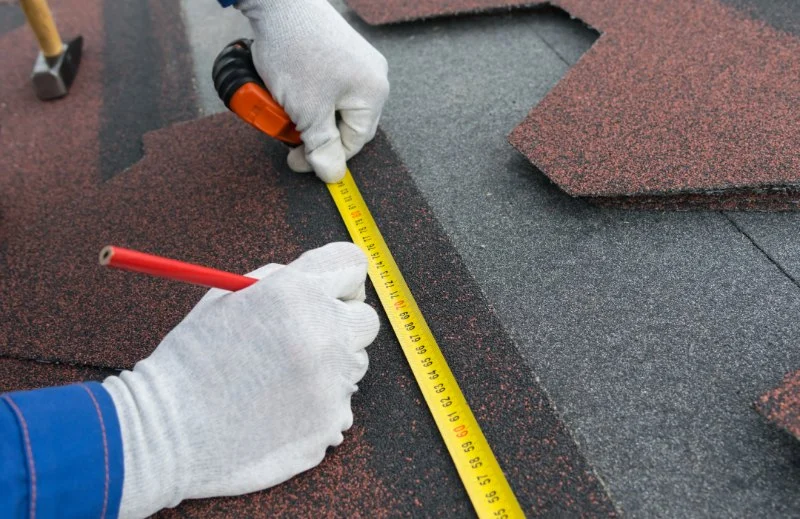
To calculate the number of roofing squares, you first need to measure the area of your roof. This is done by multiplying the length and width of each section of the roof. Once you have the total area in square feet, you divide that by 100 to get the number of squares required for the job.

Holden Roofing (Houston Corporate) / holden roofing
RosenbergFort Bend CountyTexas
2128 1st St, Rosenberg, TX 77471, USA
2.1 Example Calculation
For example, if your roof has an area of 2,000 square feet, you would divide that by 100, resulting in 20 roofing squares. Knowing this measurement is critical when estimating costs and ordering materials.
3. Understanding Waste Factor in Roofing
When ordering roofing materials, it’s important to account for the waste factor. This refers to the amount of material that will be wasted during installation due to cutting, overlapping, and other factors. A waste factor ensures you have enough material to complete the job without running short.
3.1 Typical Waste Factor Percentage
In most roofing projects, a waste factor of 10-15% is common. The percentage can vary depending on the complexity of the roof's design, the materials being used, and the contractor's experience.
4. How to Calculate Waste Factor for Your Roof Order
To calculate the waste factor for your roofing order, add 10-15% to the total number of squares. For instance, if your roof requires 20 squares, you would calculate the waste factor as follows:
4.1 Example Calculation
If your total roof area is 2,000 square feet (20 squares), and you use a 15% waste factor, multiply 20 squares by 0.15 to get 3 extra squares. Therefore, you would need to order 23 squares to account for waste.
5. Practical Tips for Ordering Roofing Materials
Once you’ve calculated the number of roofing squares and included the waste factor, it’s time to place your order. Here are some tips to ensure you get the right amount of materials:
- Always order slightly more material than you think you’ll need to avoid shortages.
- Consider ordering a variety of materials based on your roof’s design, such as shingles, underlayment, and flashing.
- Consult with your roofing contractor to confirm the quantities and materials required.
- Check the roofing manufacturer’s guidelines for any material-specific recommendations regarding waste factor.
6. Conclusion
Understanding roofing squares and the waste factor is essential for anyone tackling a roofing project. Proper calculation ensures that you have enough materials to complete the job without unnecessary expenses or delays. By following these tips and consulting with professionals, you can confidently manage your roof installation and keep the process smooth and cost-effective. For expert roofing advice and services, visit Pro Found Roofing.

 Hohen Construction4.0 (134 reviews)
 Sankoz Corporation4.0 (16 reviews)
 Martinez Brothers Roofing4.0 (69 reviews)
 Martino Commercial Roofing5.0 (15 reviews)
 Roofsimple Richmond5.0 (2 reviews)
 AB Roofing Repair & Replacement5.0 (8 reviews)
 What is a Roofing Cricket? How to Frame a Cricket for a Skylight
 The Best Roofing Materials for a Lake House with High Humidity
 How to Choose the Best Roofing Contractor: 10 Essential Questions You Must Ask
 How to Install Roofing Underlayment on a Roof with Existing Snow Guards
 The Benefits of a Stainless Steel Roof for Its Resistance to Corrosion
 What to Do When Your Roof Fails a Home Inspection