
- Why Heavy Wind Causes Roof Leaks
- First Actions When You Notice a Leak
- How to Minimize Interior Damage
- Common Wind Damage That Leads to Leaks
- Safe Ways to Inspect Your Roof
- When a Small Leak Becomes a Big Problem
- Insurance Claims and Storm Damage
- Repair or Replacement
- Real Homeowner Experiences
- Preventing Future Wind-Related Leaks
- Professional Roofing Evaluation
Why Heavy Wind Causes Roof Leaks
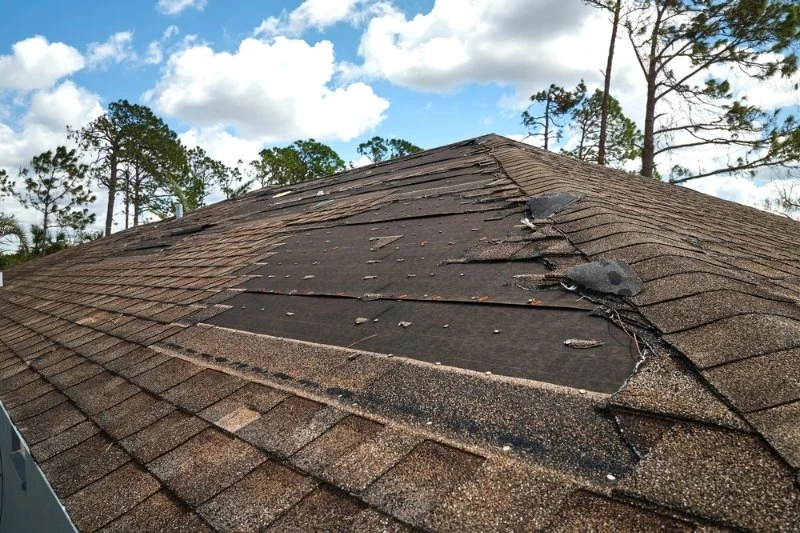
A roof leak after heavy wind can be one of the most stressful situations a homeowner faces. Many people assume that rain is the primary cause of roof leaks, but strong winds are often the hidden culprit. High winds can lift shingles, loosen flashing, expose underlayment, create gaps around roof penetrations, and even drive rainwater into places it normally would never reach.
What makes wind-related roof leaks especially challenging is that the damage is not always obvious. A roof may appear intact from the ground while hidden vulnerabilities allow water to enter the home. In some cases, homeowners do not notice the problem until water stains appear on ceilings or walls days after the storm has passed.
Understanding how wind affects roofing systems is the first step toward protecting your home and making informed repair decisions.
Victors Home Solutions / victors roofing
2722 E Michigan Ave suite 239, Lansing, MI 48912, USA
1. Wind Can Lift Roofing Materials
As wind speeds increase, upward pressure develops along roof edges and corners. Shingles may partially lift and then settle back into place. Even if they do not completely detach, their protective seal may break, creating pathways for water intrusion.

JK Contractors / jk roofing
West BendOzaukee CountyWisconsin
3058 County Rd Y, West Bend, WI 53095, USA
2. Wind Can Force Water Under Shingles
Unlike normal rainfall, wind-driven rain moves horizontally as well as vertically. This allows moisture to reach areas that standard roofing systems are not designed to handle continuously.
3. Wind Often Exposes Existing Weaknesses
Older roofs, poorly maintained roofs, or roofs with previous repair issues are especially vulnerable during severe weather events.
First Actions When You Notice a Leak
When you discover a roof leak after heavy wind, your immediate response can significantly reduce damage.
1. Stay Calm and Assess the Situation
The sight of water dripping from a ceiling can trigger panic. However, taking a methodical approach often prevents further problems.
Check for Active Water Entry
Determine whether water is actively dripping or whether you are observing the aftermath of a leak.
Identify Nearby Electrical Hazards
If water is approaching light fixtures, outlets, or electrical panels, exercise extreme caution and contact qualified professionals if necessary.
2. Protect Your Belongings
Move furniture, electronics, rugs, and valuable items away from affected areas. Even small leaks can spread rapidly through drywall and insulation.
3. Contain the Water
Use buckets, towels, plastic containers, or waterproof tarps to collect water and minimize interior damage.
4. Document Everything
Take clear photographs and videos of the leak, damaged materials, ceiling stains, and any visible storm impacts. These records may become valuable if insurance claims are necessary.
How to Minimize Interior Damage
Many homeowners focus exclusively on the roof itself, but interior damage often becomes the most expensive part of a storm-related incident.
Understanding the Hidden Risks
1. Insulation Saturation
Wet insulation loses effectiveness and can contribute to mold growth.
2. Drywall Deterioration
Moisture weakens drywall and can eventually cause sagging or collapse.
3. Flooring Damage
Water that travels through walls may damage hardwood floors, carpeting, and subfloor materials.
4. Mold Development
Mold can begin developing surprisingly quickly in damp environments.
Temporary Mitigation Strategies
Use fans and dehumidifiers to reduce moisture levels while awaiting professional repairs. Improving airflow may help limit secondary damage.
However, temporary drying measures should never replace a complete roofing inspection because the source of the leak must still be addressed.
Common Wind Damage That Leads to Leaks
Wind-related roof damage can take many forms, some of which are difficult to spot from the ground.
1. Missing Shingles
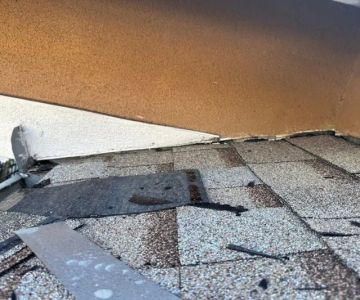
This is one of the most visible forms of wind damage. Missing shingles expose the roof's underlying layers to direct weather exposure.
2. Creased or Lifted Shingles
Even shingles that remain attached may have suffered structural damage. Wind can create creases that weaken future performance.
3. Damaged Flashing
Flashing protects vulnerable roof transitions around chimneys, skylights, valleys, and vents. Strong winds can loosen or bend these components.
4. Exposed Underlayment
When outer roofing materials become displaced, protective underlayment may be exposed to sunlight, rain, and debris.
5. Debris Impact Damage
Heavy wind frequently sends branches and other objects onto roofs. Even minor impacts can compromise roofing materials.
6. Ridge Cap Damage
The ridge area often experiences significant wind pressure. Damaged ridge caps may create entry points for water.
Safe Ways to Inspect Your Roof
After a storm, many homeowners feel tempted to climb onto the roof immediately. Unfortunately, this often leads to injuries.
What You Can Safely Check From the Ground
1. Missing Roofing Materials
Look for visible gaps or displaced shingles.
2. Debris Accumulation
Branches, leaves, and storm debris can indicate potential impact zones.
3. Gutter Damage
Detached gutters may signal broader storm-related roofing issues.
4. Exterior Water Stains
Observe siding and trim for signs of unusual water flow patterns.
Attic Inspection Tips
The attic often reveals damage before it becomes obvious elsewhere.
Check for Daylight
If sunlight is visible through the roof structure, water may enter through the same openings.
Inspect Insulation
Wet or compressed insulation often indicates ongoing leakage.
Look for Water Trails
Water may travel along rafters before dripping into living spaces.
When a Small Leak Becomes a Big Problem
One of the most expensive mistakes homeowners make is assuming a minor leak can wait indefinitely.
A small leak often represents only the visible symptom of a much larger issue. Water can travel considerable distances before becoming noticeable inside the home.
The Escalation Process
1. Initial Water Entry
A tiny opening allows moisture into the roofing system.
2. Hidden Moisture Accumulation
Water becomes trapped beneath roofing materials or inside insulation.
3. Structural Deterioration
Wood decking begins absorbing moisture and weakening.
4. Mold Growth
Damp conditions create ideal environments for mold colonies.
5. Interior Damage
Eventually ceilings, walls, and flooring begin showing visible symptoms.
The longer repairs are delayed, the greater the overall cost typically becomes.
Insurance Claims and Storm Damage
Many wind-related roofing incidents qualify for insurance consideration, depending on policy details.
Important Steps for Homeowners
1. Document Damage Thoroughly
Photographs should capture both interior and exterior impacts.
2. Keep Storm Records
Local weather reports may support claim documentation.
3. Save Repair Estimates
Professional evaluations provide evidence regarding damage severity.
4. Review Policy Terms
Understanding deductibles and coverage limitations helps avoid surprises.
A Real Example
Following a severe windstorm, a homeowner noticed a ceiling stain in an upstairs bedroom. Initial assumptions suggested a minor leak. A professional inspection later revealed wind-lifted shingles across multiple roof sections. Because the damage was documented promptly, the homeowner successfully pursued insurance assistance that covered a substantial portion of repair expenses.
Repair or Replacement
One of the most common questions following storm damage is whether repairs are sufficient or if replacement is the better investment.
Situations Favoring Repairs
1. Localized Damage
If only a small area was affected, repairs may restore full functionality.
2. Relatively New Roof
A roof with many years of expected lifespan remaining often justifies repair work.
3. Minimal Structural Impact
If underlying decking remains sound, targeted repairs can be highly effective.
Situations Favoring Replacement
1. Extensive Storm Damage
Widespread shingle loss may make repairs less practical.
2. Aging Roof Systems
Older roofs approaching the end of their lifespan may not benefit from repeated repairs.
3. Multiple Leak Locations
Numerous leaks often indicate broader deterioration.
Trusted resources such as Pro Found Roofing can help homeowners compare options and better understand whether repairs or replacement provide the strongest long-term value.
Real Homeowner Experiences
Case Study 1: Quick Action Prevented Major Damage
A homeowner discovered a small leak shortly after a windstorm. Instead of waiting, they immediately documented the issue and scheduled an inspection.
The inspection identified lifted shingles and damaged flashing. Repairs were completed before extensive moisture entered the attic, preventing thousands of dollars in secondary damage.
Case Study 2: Delayed Repairs Increased Costs
Another homeowner noticed a faint ceiling stain after heavy winds but assumed it would dry naturally.
Months later, the stain expanded significantly. By the time repairs were initiated, wet insulation, mold growth, and damaged drywall required extensive restoration work.
Case Study 3: Storm Debris Created Hidden Damage
A large branch struck a roof during severe weather. The impact appeared minor from ground level, but an inspection uncovered damaged shingles and punctured underlayment.
Early detection prevented recurring leaks and protected the home's structural components.
Preventing Future Wind-Related Leaks
While no roof is completely immune to severe weather, proactive maintenance significantly reduces risk.
1. Schedule Regular Roof Inspections
Routine inspections often identify vulnerabilities before storms exploit them.
2. Trim Nearby Trees
Reducing overhanging branches minimizes impact hazards.
3. Maintain Gutters
Proper drainage reduces water-related stress on roofing systems.
4. Replace Aging Materials Promptly
Older shingles become increasingly vulnerable to wind uplift.
5. Address Small Problems Early
Minor repairs are typically far less expensive than major restorations.
Professional Roofing Evaluation
A roof leak after heavy wind should never be ignored, even if the visible symptoms appear minor. Wind damage frequently extends beyond what homeowners can safely observe from the ground. Missing shingles, compromised flashing, hidden moisture intrusion, and weakened roof components may continue causing damage long after the storm ends.
The most effective approach involves acting quickly, documenting the situation thoroughly, protecting the home's interior, and obtaining a professional assessment. A qualified roofing inspection can identify whether repairs are sufficient or whether replacement should be considered.
Homeowners who take prompt action often save significant money while avoiding long-term structural damage. For those evaluating storm-related roofing concerns, comparing professional recommendations through resources such as Pro Found Roofing can provide valuable insight and help ensure that the chosen solution delivers lasting protection for the home.
 Hendrix Roofing5.0 (1 reviews)
 Power Roofing Ridgewood Queens4.0 (5 reviews)
 Rawson & Sons Roofing, Inc5.0 (1 reviews)
 Artisan Roofing Inc4.0 (109 reviews)
 Washington Roofing0.0 (0 reviews)
 Action roofing LLC0.0 (0 reviews)
 The Pros and Cons of Installing a Roof Overlay Instead of Full Replacement
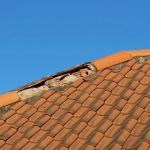 How to Spot Early Signs of Roof Damage Before It’s Too Late
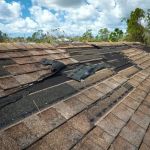 Storm Damage Roof Repairs: What to Expect and How to Act Fast
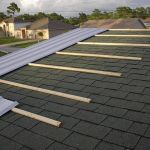 Can You Install a New Roof Over an Old One? The Legal and Practical Facts
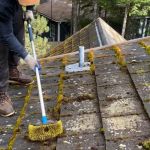 How to Safely Remove Moss and Algae from Your Roof: A Step-by-Step Guide
 Best Roofing Brands of 2026: Reliable, Durable, and Affordable