- why-hurricane-tornado-prep-matters - Why Preparing Your Roof Matters in Storm Season
- roof-inspection-before-storm-season - Start With a Full Roof Inspection
- reinforce-and-upgrade-structure - Reinforce and Upgrade Your Roof’s Structural Integrity
- protecting-roof-accessories - Protecting Vents, Flashing, and Roof Attachments
- gutter-and-drainage-readiness - Ensure Gutters and Drainage Systems Are Ready
- real-storm-case-lesson - Real Case: A Roof That Survived Hurricane Ian
- choosing-right-storm-roofing-experts - Choosing the Right Storm-Ready Roofing Experts
1. Why Preparing Your Roof Matters in Storm Season
Each year, hurricane and tornado season leaves thousands of American homes damaged—many beyond repair. Your roof is the first line of defense, and if it fails, everything beneath it becomes vulnerable. Preparation isn't just about peace of mind—it’s about preserving your home’s structure and your family’s safety.
Whether you're in Florida watching the Atlantic closely or in Oklahoma’s Tornado Alley, proactive roofing preparation can be the difference between minor repairs and a complete rebuild. In fact, FEMA reports show that homes with properly anchored and reinforced roofs suffer significantly less damage in wind events.
Absolute Roofing / absolute roofing
TimoniumBaltimore CountyMaryland
22 W Padonia Rd # B229, Timonium, MD 21093, USA
2. Start With a Full Roof Inspection
2.1 What to Check
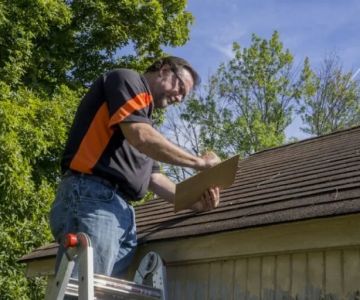
A proper roof inspection before hurricane or tornado season should look for loose shingles, cracked flashing, exposed underlayment, and potential leak points. These small flaws can turn catastrophic in 100+ mph winds.

SB Pro Roofing / sb pro roofing
Pinellas ParkPinellas CountyFlorida
6358 49th St N, Pinellas Park, FL 33781, USA
2.2 Professional vs. DIY
While homeowners can spot obvious damage, only a licensed roofer will catch hidden vulnerabilities. Experts like Pro Found Roofing offer storm-season readiness inspections tailored to U.S. coastal and inland storm zones, ensuring your roof is ready for the worst.
2.3 Insurance Tie-In
Don’t forget: A pre-storm inspection can also support insurance claims. It serves as proof that your roof was in good condition before the storm, protecting your rights in case of damage.
3. Reinforce and Upgrade Your Roof’s Structural Integrity
3.1 Roof Deck Attachment
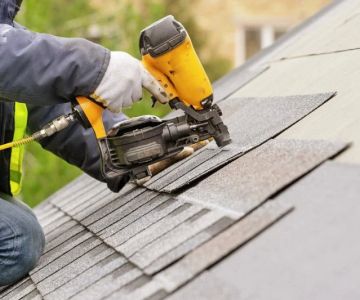
One of the most effective upgrades you can make is strengthening the roof deck. If your roof is attached with simple nails, consider upgrading to ring-shank nails or screws with stronger pull-through resistance. This small change dramatically increases your roof's chance of survival in high winds.
3.2 Hurricane Straps and Clips
Roof-to-wall connectors such as hurricane straps are required by building codes in many coastal states. However, older homes—especially pre-2000 builds—may lack them. Retrofitting with these metal anchors can enhance uplift resistance and help your home meet current wind-load codes.
3.3 Impact-Resistant Shingles
Upgrading to Class 4 impact-resistant shingles can help your roof stand up to flying debris, a major threat during tornadoes. States like Texas and Louisiana are seeing a rise in homeowners choosing these shingles not just for protection—but for potential insurance discounts as well.
4. Protecting Vents, Flashing, and Roof Attachments
4.1 Secure Vents and Skylights
Roof accessories like attic vents, turbines, and skylights are prime weak points during a storm. Ensure they are properly sealed and reinforced. In many cases, these elements fail before the roofing material does, creating direct entry points for rain and wind.
4.2 Flashing and Sealant Review
Flashing around chimneys and valleys should be reviewed for corrosion or lifting. Apply high-grade sealants designed for extreme weather to reduce the risk of water intrusion.
4.3 Remove Unnecessary Attachments
Satellite dishes or old, unused solar mounts should be removed entirely. Every protrusion is a vulnerability. A clean, smooth roof surface is more aerodynamic and less likely to fail under stress.
5. Ensure Gutters and Drainage Systems Are Ready
5.1 Debris Clearing
Before storm season, clear all gutters and downspouts of leaves, twigs, and buildup. Blocked gutters cause water to pool on the roof, increasing pressure and risk of leak-through during heavy rain.
5.2 Reinforce Fasteners
Check that all brackets and downspout elbows are tightly secured. High winds can easily rip loose gutters from fascia boards, tearing off shingles and decking with them.
5.3 Proper Water Routing
Ensure water is routed away from your home’s foundation. Poor drainage not only weakens your landscape but can also lead to costly basement flooding and long-term structural issues.
6. Real Case: A Roof That Survived Hurricane Ian
In 2022, a homeowner in Naples, Florida had just completed a re-roof with hurricane clips, Class 4 shingles, and a self-adhering underlayment provided by Pro Found Roofing. When Hurricane Ian struck, neighboring homes lost major portions of their roofs. This home? Not even a shingle out of place.
The difference was preparation—not luck. From structural reinforcement to advanced materials, every upgrade was intentional. This case highlights the importance of proactive investment over reactive repair.
7. Choosing the Right Storm-Ready Roofing Experts
7.1 Certification and Storm Experience
Not all roofers are prepared to handle hurricane- or tornado-grade installations. Look for teams certified in wind-rated systems and experienced in post-storm restorations. A roofer who knows local codes and climate specifics can make smarter, longer-lasting recommendations.
7.2 Warranties That Matter
Choose contractors offering both material and labor warranties. Better yet, ask if they provide transferable warranties—it adds value to your home if you choose to sell.
7.3 Local Responsiveness
After a storm, time is critical. National chains can’t always respond quickly or understand local damage patterns. That’s why many homeowners across the southern and central U.S. turn to Pro Found Roofing—trusted for rapid response, storm-specific solutions, and no-pressure guidance before and after the clouds roll in.
Preparing your roof for hurricane or tornado season isn’t just smart—it’s essential. From inspections to reinforcements, the right steps can make your home a fortress when the skies turn dark. Don’t wait for the forecast—get ready today with help from professionals who understand what it means to build storm-proof peace of mind.

 LN Roof Repair5.0 (2 reviews)
 Georgia Roof + Exteriors4.0 (178 reviews)
 Morataya Home Improvement LLC5.0 (4 reviews)
 Triton Roofing4.0 (124 reviews)
 Couto Construction5.0 (29 reviews)
 AD Roofing5.0 (206 reviews)
 DIY Roof Repair Tips: How to Safely Fix Your Roof
 How to Install Drip Edge on Rakes and Eaves for Complete Water Management
 The Best Roofing Materials for a Lake House with High Humidity
 Top 5 Roofing Materials Compared: Pros and Cons for Your Home
 What Roof Color Is Best for Energy Efficiency?
 How to Deal with Roofing Scams and Avoid Contractor Fraud