
- 1-is-it-legal-to-install-a-new-roof-over-an-old-one
- 2-when-overlay-roofing-is-allowed-and-when-its-not
- 3-practical-considerations-lifespan-weight-and-warranty
- 4-cost-comparison-tear-off-vs-roof-over
- 5-real-case-homeowner-roof-overlay-in-ohio
- 6-why-working-with-professionals-matters
1. Is It Legal to Install a New Roof Over an Old One?
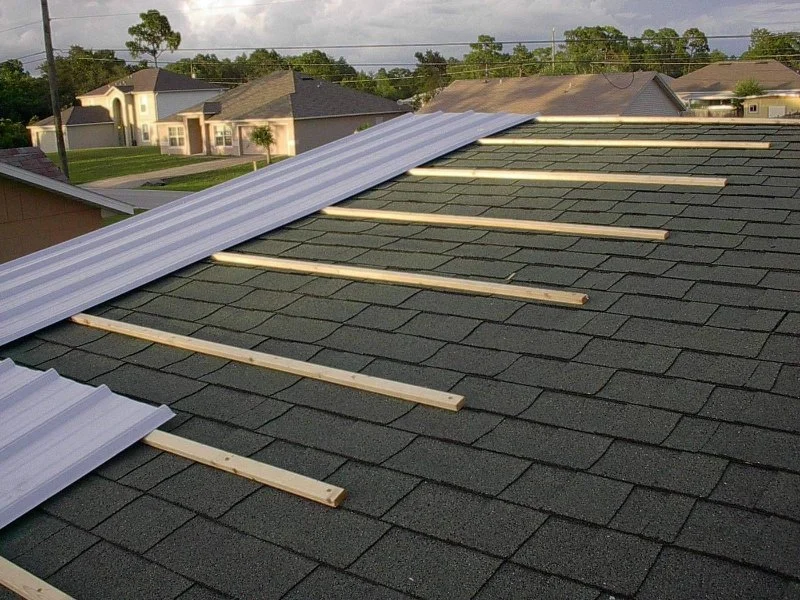
Yes, in many parts of the United States, it is legal to install a new roof over an existing one—but there are critical limitations. Most states allow this only if the current roof has just one layer of shingles. The International Residential Code (IRC), which guides most U.S. roofing regulations, generally prohibits roofing over more than two layers due to safety concerns.
Local building codes may vary by state or city. For example, in California, the weight of roofing materials and fire safety codes might restrict overlay projects. Always check with your local permit office or work with a licensed contractor familiar with your area’s regulations.

SB Pro Roofing / sb pro roofing
Pinellas ParkPinellas CountyFlorida
6358 49th St N, Pinellas Park, FL 33781, USA
2. When Overlay Roofing Is Allowed—and When It’s Not
Overlay roofing is typically allowed when the following conditions are met:
• The existing roof has only one layer.
• There is no water damage or rot in the decking below.
• The structure can handle the added weight.
• Shingles are lying flat and secure (no curling or buckling).
• Local building code does not prohibit overlays for your roof type.
However, it’s a hard no if the original roof has structural issues, moisture damage, or excessive weight. Adding a second layer can create problems like poor ventilation, heat buildup, and compromised flashing. These issues may not only shorten the life of your roof but also void warranties or insurance coverage in the event of damage.

JK Contractors / jk roofing
West BendOzaukee CountyWisconsin
3058 County Rd Y, West Bend, WI 53095, USA
3. Practical Considerations: Lifespan, Weight, and Warranty
While overlaying a roof might seem appealing for its simplicity, it comes with trade-offs. One major concern is reduced lifespan. A new roof laid over old shingles typically lasts 5–10 years less than a full tear-off installation. That's because the underlying surface can trap moisture and heat, accelerating wear on the new materials.
There’s also the matter of weight. Roofing shingles are heavy. Asphalt shingles weigh around 2.5 to 3 pounds per square foot. If you double that, your roof deck and support structures must carry a much higher load—something they may not have been designed for.
Another big factor is warranty. Some manufacturers won’t honor warranties on materials installed over existing shingles unless specific conditions are met. It’s important to ask in writing whether your overlay job will be covered.
4. Cost Comparison: Tear-Off vs. Roof-Over
There’s no doubt a roof-over is cheaper in the short term. You save on labor, disposal fees, and time. A typical tear-off and new roof might cost $9,000 to $14,000 depending on home size and materials. An overlay could cut that by $2,000–$4,000.
But keep in mind the long-term implications. A roof-over might require replacement sooner, reduce energy efficiency, and complicate future repairs. In some cases, roofers charge more for future tear-offs of overlaid roofs because it involves removing multiple layers.
Smart homeowners weigh the short-term budget relief against the potential long-term costs. For homes expected to go on the market soon, an overlay may be enough. But for those planning to stay 10–20 years, a tear-off is often the better investment.
5. Real Case: Homeowner Roof Overlay in Ohio
In 2024, a homeowner in Columbus, Ohio, opted for an overlay instead of a full replacement due to budget constraints. The contractor approved the overlay after inspecting the deck and confirming no moisture damage. While the initial installation was successful, problems began 18 months later. The new shingles started to curl due to trapped heat and poor attic ventilation, and the homeowner ultimately had to pay for a full replacement anyway.
This story illustrates how even when overlays are technically permitted, they’re not always the smart choice—especially if underlying roof issues are masked. Thorough inspections and second opinions can make a major difference.
6. Why Working with Professionals Matters
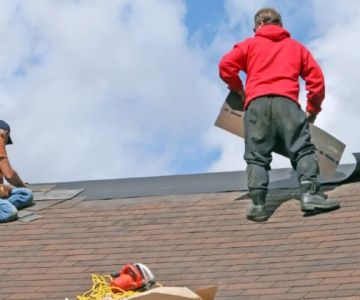
When considering a new roof over an old one, working with a knowledgeable, experienced roofing contractor is crucial. A reputable roofer will assess your home’s structural capacity, check for hidden moisture damage, ensure code compliance, and advise you honestly—whether that’s for or against a roof-over.
At Pro Found Roofing, we help U.S. homeowners evaluate all their options based on local building laws, roof condition, climate, and budget. Whether you need a full tear-off or are considering a layered installation, our network of certified professionals ensures you get a roof that lasts, protects, and adds value.
 Straight Forward Construction4.0 (66 reviews)
 Southern New England Roofing5.0 (2 reviews)
 SER Roofing & Siding, LLC3.0 (14 reviews)
 Complete Commercial Roofing5.0 (1 reviews)
 JL all roofing service LLC5.0 (11 reviews)
 Chemos Roofing Services LLC5.0 (5 reviews)
 The Signs of a Roof Leak That is Traveling Far from the Actual Entry Point
 Flat Roofs vs. Sloped Roofs: Which One Should You Choose for Your Home?
 The Process of Installing a TPO Roof on a Commercial or Flat Home Roof
 10 Essential Roofing Maintenance Tips Every Homeowner Should Know
 The Benefits of a Zinc Roof for Its Longevity and Self-Healing Patina | Pro Found Roofing
 How Solar Panels Affect Your Roof – What You Need to Know