
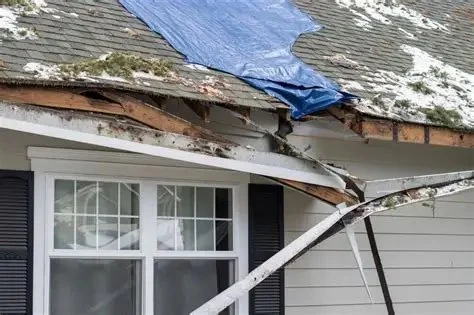
Understanding What Storms Do to a Residential Roof
Severe weather is one of the most underestimated threats to a home’s structure. Many homeowners in the United States only think about roof damage when a leak appears inside the house, but by that point, the issue has often already developed into something more serious. Learning how to tell if your roof has storm damage early can save thousands of dollars in repairs and prevent long-term structural issues.
Storms impact roofs in multiple ways depending on wind speed, hail size, rainfall intensity, and even the age of the roofing materials. Wind can lift shingles, hail can bruise or crack surfaces, and heavy rain can exploit even the smallest vulnerability. What makes roof damage particularly tricky is that it is not always immediately visible from the ground.
A strong understanding of storm-related roof risks helps homeowners make faster decisions after extreme weather events. Instead of waiting for obvious leaks, recognizing early warning signs can prevent escalation and protect the home’s structural integrity.
Absolute Roofing / absolute roofing
TimoniumBaltimore CountyMaryland
22 W Padonia Rd # B229, Timonium, MD 21093, USA
How Storms Affect Roof Structure and Materials
To understand roof storm damage signs, it is important to first recognize how different weather forces interact with roofing systems. Each storm type leaves a distinct pattern of damage, and experienced inspectors often identify the cause just by looking at the roof surface.
High winds are among the most common causes of damage. When wind speeds increase, they create uplift pressure that loosens shingles and exposes the underlayment beneath. Once this protective layer is compromised, even minor rainfall can seep into the roof deck.
Hail impacts are different. Instead of lifting materials, hail creates concentrated impact points that weaken shingles over time. These impacts may not cause immediate leaks, but they reduce the roof’s lifespan significantly. In some cases, hail damage appears as soft spots or circular bruising that is difficult to see without close inspection.
Heavy rainstorms often reveal pre-existing weaknesses. A roof that has already been compromised by wind or hail may begin to leak during prolonged rainfall, especially around chimneys, vents, and flashing points.
Understanding these patterns is essential for homeowners trying to determine whether they need a professional inspection or immediate repair.

SB Pro Roofing / sb pro roofing
Pinellas ParkPinellas CountyFlorida
6358 49th St N, Pinellas Park, FL 33781, USA
Visible Signs That Indicate Roof Damage After a Storm
One of the first steps in identifying storm-related roof issues is a careful visual inspection from the ground. While climbing onto the roof is not recommended without proper safety equipment, there are several visible indicators that homeowners can look for safely.
Missing or displaced shingles are one of the most obvious warning signs. After strong winds, shingles may appear uneven, curled, or completely absent. This exposes underlying layers and increases vulnerability to water intrusion.
Another common indicator is granule loss. Asphalt shingles are coated with protective granules that shield them from UV rays and weathering. After hail or heavy rain, you may notice granules collecting in gutters or downspouts. This is often an early sign that the roof surface has been compromised.
Flashing damage around chimneys, skylights, and vents is also a key area to inspect. Flashing is designed to seal joints, but storm pressure can loosen or bend these metal components, creating entry points for water.
In one case from a homeowner in Missouri, a severe thunderstorm caused subtle shingle displacement that was not immediately noticeable. Weeks later, small water stains appeared on the ceiling. By the time the issue was identified, moisture had already reached the insulation layer, increasing repair complexity.
Hidden Storm Damage That Homeowners Often Miss
Not all roof damage is visible from the outside. In fact, some of the most serious problems begin beneath the surface, making early detection more challenging.
One of the most overlooked issues is slow-developing roof leaks. After a storm, water may enter through small gaps and travel along beams before appearing inside the home. This delay often leads homeowners to underestimate the severity of the damage.
Another hidden problem involves structural weakening. Repeated exposure to wind and moisture can soften the roof decking, making it less resistant to future storms. This type of damage often requires professional evaluation because it cannot be reliably detected from visual inspection alone.
Attic inspections can reveal additional clues. Damp insulation, faint water trails, or musty odors often indicate that moisture has penetrated the roofing system. These subtle signs are frequently the earliest indicators of a developing roof issue.
A real example comes from a family in Florida who experienced a hurricane with strong winds but saw no visible exterior damage afterward. Months later, they discovered mold growth in the attic caused by slow water intrusion through loosened shingles. The damage had been silently progressing long after the storm had passed.
Real-Life Storm Events and Roofing Damage Lessons
Across the United States, storm-related roof damage is one of the most common insurance claims after severe weather seasons. Each event offers valuable insights into how different roofing systems respond to natural forces.
During a major hailstorm in Texas, thousands of homes experienced varying levels of roof impact. Interestingly, newer roofs with impact-resistant shingles showed significantly fewer signs of damage compared to older installations. However, even impact-resistant materials were not completely immune, especially in areas where hailstones exceeded typical size expectations.
In another case following a Midwest windstorm, homeowners reported that damage was not evenly distributed. One side of a neighborhood showed severe shingle loss, while homes just a few blocks away remained relatively unaffected. This variability highlighted how local wind patterns and roof orientation play a critical role in storm damage severity.
These real-world events demonstrate that storm damage is rarely uniform or predictable. Even homes built under the same conditions can experience vastly different outcomes depending on exposure and material condition.
When Professional Roof Inspection Becomes Necessary
Knowing when to call a professional inspection is one of the most important decisions after a storm. While minor surface observations can be done safely by homeowners, deeper structural issues require trained expertise.
If there are visible signs such as missing shingles, granule accumulation, or interior leaks, a professional evaluation is strongly recommended. Roof specialists can identify underlying damage that is not visible from ground level and assess whether repairs or full replacement is needed.
Even when no obvious damage is present, inspection after severe weather is still advisable. Many roofing professionals report that hidden damage is one of the most common issues they encounter, especially after hailstorms or high-wind events.
Homeowners seeking reliable guidance and inspection support can benefit from trusted service providers such as
In many cases, early detection through professional inspection can extend the life of a roof by several years. This proactive approach ensures that small vulnerabilities do not turn into major structural problems.
Why Early Detection Changes Everything for Roof Longevity
Storm damage is not always dramatic or immediately visible, but its long-term effects can be significant. Homeowners who understand the early warning signs are far better equipped to protect their property from escalating damage.
From subtle shingle movement to hidden attic moisture, every indicator plays a role in diagnosing roof health. Paying attention to these details after severe weather can make the difference between a simple repair and a major replacement project.
Ultimately, learning to recognize roof storm damage signs is about awareness, timing, and action. The sooner potential issues are identified, the more options homeowners have to preserve their home’s structure and value.
 Robinson Roofing5.0 (41 reviews)
 Higher Power Roofing | Punta Gorda5.0 (5 reviews)
 Erie Home4.0 (16 reviews)
 Balcorp Roof Repair & Commercial Roofing5.0 (7 reviews)
 Supreme Metal Roofing4.0 (23 reviews)
 Golden Rule Roofing3.0 (2 reviews)
 The Impact of Sea Salt Spray on Coastal Roofs and How to Combat Corrosion
 The Benefits of Annual Roof Inspections: Catching Small Issues Before They Become Catastrophic
 How Much Does a Roof Replacement Really Cost in 2026? | Cost Breakdown
 Cool Roof Rebate Programs in the US: How to Save on Your Energy Bills
 How to Spot Curling Shingles and What Causes This Common Problem
 How to Install Roofing Underlayment on a Low-Slope or Flat Roof