- - understanding-roof-replacement-and-structural-repairs
- - why-structural-damage-increases-roofing-costs
- - labor-costs-for-structural-roof-repairs
- - material-cost-breakdown-for-roof-replacement
- - hidden-expenses-homeowners-often-miss
- - real-homeowner-stories-and-budget-lessons
- - how-weather-and-age-impact-roof-structures
- - choosing-the-right-roofing-company
- - ways-to-reduce-long-term-roofing-expenses
- - planning-your-next-roof-replacement-project
Understanding Roof Replacement and Structural Repairs
Most homeowners expect roof replacement to involve shingles, underlayment, and labor. What surprises many people is how quickly costs rise when structural repairs are discovered underneath the surface. Roof replacement cost with structural repairs can vary dramatically depending on the age of the property, weather exposure, water damage, and even past installation mistakes.
In many American homes, roofing contractors uncover damaged roof decking, rotted rafters, weakened trusses, or sagging support beams once old shingles are removed. At that point, the project changes from a standard roof replacement into a much larger structural restoration job.
This is one reason experienced contractors like Pro Found Roofing recommend detailed inspections before finalizing estimates. A roof can look acceptable from the outside while hiding years of moisture damage beneath the shingles.
Homeowners often ask why roofing quotes vary so much between companies. The answer usually comes down to inspection quality and whether structural concerns were included in the estimate. A lower bid may ignore hidden damage that later becomes an expensive surprise.
Why Structural Damage Increases Roofing Costs
1. Water Damage Spreads Further Than Most People Realize
Roof leaks rarely stay in one spot. Water can travel along beams and insulation before becoming visible inside the home. By the time ceiling stains appear, structural wood may already be weakened.
Roof decking is especially vulnerable because it sits directly beneath shingles. Once moisture penetrates the protective surface, plywood or OSB decking can soften and deteriorate. Contractors frequently discover soft spots during tear-off projects.
2. Structural Repairs Require Specialized Labor
Replacing shingles is one thing. Rebuilding support systems is another. Structural work often requires carpentry expertise, engineering knowledge, and additional safety precautions.
For example, replacing a few damaged rafters may involve temporarily reinforcing parts of the roof structure to prevent collapse during repairs. That added complexity increases labor hours and project costs.
3. Building Code Upgrades Add Expenses
Older homes may not meet current building standards. Once contractors begin structural repairs, local codes often require upgrades before the project can pass inspection.
Common code-related upgrades include:
1. Improved ventilation systems
2. Additional fastening requirements
3. Stronger decking materials
4. Hurricane straps in storm-prone states
5. Ice and water shield installations in colder regions
While these improvements add cost, they also improve long-term durability and insurance protection.
Labor Costs for Structural Roof Repairs
1. Roof Tear-Off and Disposal
The first labor expense involves removing existing roofing materials. Disposal fees have increased in many states due to landfill regulations and transportation costs.
For an average American home, tear-off labor may range from $1,500 to $4,500 depending on roof size, layers of old shingles, and accessibility.
2. Decking Replacement
Damaged roof decking is one of the most common structural problems discovered during replacement projects.
Contractors may charge:
1. $70–$120 per sheet of plywood replacement
2. Additional labor for difficult access areas
3. Higher fees for premium moisture-resistant materials
Homes with long-term leaks can require dozens of sheets to be replaced.
3. Rafter and Truss Repairs
Rafters and trusses support the entire roofing system. Damage to these components significantly increases labor expenses because repairs must be completed carefully to preserve structural integrity.
In severe cases, homeowners may spend several thousand dollars repairing framing before roofing materials can even be installed.
4. Emergency Reinforcement Work
Some homes require temporary stabilization during repairs. Contractors may need to install support braces or scaffolding systems to safely complete structural reconstruction.
This type of work is especially common in older homes with decades of deferred maintenance.
Material Cost Breakdown for Roof Replacement
1. Asphalt Shingles
Asphalt shingles remain the most affordable and popular roofing option in the United States. Material costs typically range between $100 and $180 per roofing square.
Architectural shingles cost more but offer improved durability and curb appeal.
2. Metal Roofing Systems
Metal roofs continue gaining popularity because of their lifespan and energy efficiency. Although material costs are higher, many homeowners view metal roofing as a long-term investment.
Metal roofing materials may cost:
1. $300–$900 per square
2. Additional trim and flashing expenses
3. Specialized fasteners and sealants
3. Underlayment and Waterproofing Materials
Modern roofing systems rely heavily on protective underlayment layers. These materials prevent moisture infiltration and extend roof lifespan.
Higher-end synthetic underlayments cost more but often perform significantly better than traditional felt paper.
4. Structural Lumber Costs
One factor homeowners often overlook is lumber pricing volatility. In recent years, wood prices have fluctuated dramatically due to supply chain issues and construction demand.
Structural repair projects involving rafters, trusses, or decking can become more expensive during periods of high lumber costs.
Hidden Expenses Homeowners Often Miss
1. Mold Remediation
Long-term roof leaks frequently create hidden mold problems inside attics and wall cavities. Professional remediation can add thousands to total project costs.
2. Insulation Replacement
Water-damaged insulation loses effectiveness and may need complete replacement after roofing work is completed.
3. Interior Ceiling Repairs
Roof leaks often damage drywall, paint, and ceiling textures inside the home. Many homeowners forget to budget for interior restoration after roofing repairs are finished.
4. Gutter System Upgrades
Old gutters may no longer function properly after a new roof installation. Contractors sometimes recommend gutter replacement to improve drainage and prevent future structural damage.
Real Homeowner Stories and Budget Lessons
1. The Surprise Hidden Under Old Shingles
A homeowner in Ohio initially budgeted $11,000 for a standard asphalt roof replacement. After tear-off began, contractors discovered extensive decking rot around two chimneys and multiple weakened rafters.
The final project cost reached nearly $19,000. While the increase was frustrating, the homeowner later admitted the repairs prevented a much larger structural collapse.
2. Storm Damage That Went Undetected
In Florida, one family delayed replacing storm-damaged shingles for several years. Water slowly entered the attic, damaging insulation and framing.
What could have been a $14,000 roof replacement eventually became a $32,000 structural repair project.
Stories like these are common across the roofing industry and highlight why early inspections matter so much.
How Weather and Age Impact Roof Structures
1. Heavy Snow Regions
Homes in northern states face snow load stress every winter. Over time, repeated pressure can weaken structural framing.
2. Hurricane and Coastal Damage
Coastal homes experience salt exposure, wind uplift, and moisture infiltration that gradually weaken roofing systems.
3. Extreme Heat and UV Exposure
Southern climates expose roofing materials to intense heat that accelerates aging and cracking.
4. Aging Homes
Homes older than 30 years are more likely to require structural repairs during roof replacement projects because older materials naturally weaken over time.
Choosing the Right Roofing Company
Hiring the right contractor may be the most important decision homeowners make during a roof replacement project.
1. Look for Detailed Inspections
Professional companies conduct attic inspections, moisture evaluations, and structural assessments before providing estimates.
2. Ask for Transparent Cost Breakdowns
Reliable contractors clearly explain labor, materials, disposal fees, and potential structural repair scenarios.
3. Verify Insurance and Licensing
Structural roof repairs involve significant safety risks. Contractors should carry proper insurance and meet state licensing requirements.
Many homeowners turn to Pro Found Roofing because experienced roofing specialists understand both roofing systems and underlying structural concerns.
Ways to Reduce Long-Term Roofing Expenses
1. Schedule Annual Roof Inspections
Small leaks become major structural problems when ignored for years. Annual inspections help identify damage early.
2. Improve Attic Ventilation
Proper airflow reduces moisture buildup and extends roof lifespan.
3. Clean Gutters Regularly
Clogged gutters allow water to back up beneath shingles and damage roof edges.
4. Address Minor Repairs Quickly
Replacing a few shingles today is far cheaper than rebuilding roof framing later.
Planning Your Next Roof Replacement Project
Roof replacement cost with structural repairs depends on far more than shingles alone. Labor complexity, hidden water damage, decking repairs, framing issues, permits, and material choices all contribute to the final price.
While structural repairs increase project expenses, they also protect the long-term safety and value of the home. Ignoring underlying damage only leads to larger costs later.
The smartest homeowners approach roof replacement as a long-term investment rather than a short-term expense. Working with experienced professionals, requesting detailed inspections, and using quality materials can prevent repeated repairs and unexpected surprises.
For homeowners researching roofing solutions, Pro Found Roofing can help simplify the process by providing clear estimates, professional inspections, and guidance tailored to the unique needs of each property.
 Reitzel Roofing and Exteriors4.0 (255 reviews)
 Allied Construction, Roofing, Re-roofing and Repair5.0 (28 reviews)
 Achelpohl Roofing & Sheetmetal, Inc.4.0 (7 reviews)
 Integral Builders LLC5.0 (63 reviews)
 NCW Exteriors4.0 (4 reviews)
 C&D Roofing4.0 (18 reviews)
 The Benefits of Architectural Shingles for Their Dimensional Look and Durability
 What is a Roofing Boot? Choosing Between Lead, Plastic, and Metal
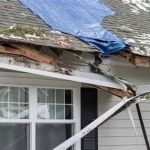 How to Tell If Your Roof Has Storm Damage | Warning Signs Homeowners Miss
 How to Choose a Roof Color for a House with a Lot of White Trim
 How to Find a Reliable Roofing Contractor Near You: Expert Tips
 Common Roofing Scams and How to Avoid Them: High-Pressure Sales and Storm Chasers