- 1-Understanding Roofing Boots
- 2-Types of Roofing Boots: Lead, Plastic, and Metal
- 3-Advantages and Disadvantages of Each Type
- 4-Choosing the Right Roofing Boot for Your Home
- 5-Installation and Maintenance Tips
- 6-Real-Life Examples and Case Studies
1. Understanding Roofing Boots
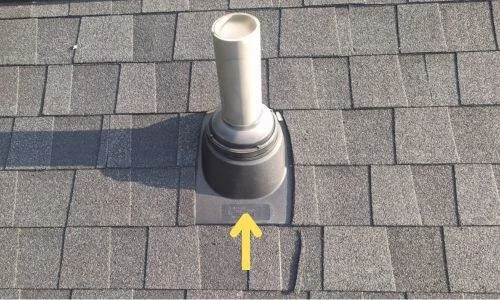
A roofing boot, sometimes referred to as a pipe boot or flashing boot, is a crucial component of any roofing system. It provides a waterproof seal around pipes or vents that penetrate the roof surface. Without a proper roofing boot, water can seep through, leading to leaks, structural damage, and costly repairs. Understanding its function is essential for homeowners and DIY enthusiasts alike.
For example, a homeowner in Arizona ignored a deteriorating roofing boot around a vent pipe, which resulted in a leak that damaged the attic insulation. Recognizing the importance of these small but critical components can save both money and stress.

Rapid Response Roofing / rapid response roofing
East GreenvilleMontgomery CountyPennsylvania
408 State St, East Greenville, PA 18041, USA
2. Types of Roofing Boots: Lead, Plastic, and Metal
Roofing boots come in three main materials: lead, plastic, and metal. Each material offers unique characteristics and performance benefits.

Absolute Roofing / absolute roofing
TimoniumBaltimore CountyMaryland
22 W Padonia Rd # B229, Timonium, MD 21093, USA
2.1 Lead Roofing Boots
Lead boots are durable and highly malleable, making them ideal for irregularly shaped pipes. They can last decades and form a tight seal around complex penetrations.
2.2 Plastic Roofing Boots
Plastic boots are lightweight and cost-effective. They are easier to install but may degrade under prolonged exposure to UV rays or extreme temperatures. They are suitable for homeowners seeking a simple, budget-friendly option.
2.3 Metal Roofing Boots
Metal boots, often made from aluminum or galvanized steel, provide excellent durability and resistance to harsh weather conditions. They are commonly used in commercial buildings and high-traffic residential areas due to their longevity.
3. Advantages and Disadvantages of Each Type
Choosing the right roofing boot requires understanding the pros and cons of each material:
- Lead: Extremely durable and flexible, but expensive and heavier than other options.
- Plastic: Affordable and easy to install, but less durable and prone to cracking in cold weather.
- Metal: Strong and weather-resistant, but can be challenging to install and may require specialized tools.
Balancing cost, durability, and installation complexity is key. For homeowners unsure about which option to choose, Pro Found Roofing offers expert advice and high-quality products tailored to individual needs.
4. Choosing the Right Roofing Boot for Your Home
When selecting a roofing boot, consider factors such as:
- The type of pipe or vent it needs to seal
- The local climate and weather conditions
- The lifespan and maintenance requirements of the material
- Your budget and DIY capabilities
For instance, in coastal areas where salt air can accelerate corrosion, metal or lead boots may outperform plastic options. Homeowners in colder regions may prefer lead for its flexibility and durability against freezing temperatures.
5. Installation and Maintenance Tips
Proper installation is critical to prevent leaks. Ensure the boot fits snugly around the pipe and that all shingles are properly aligned. Seal any gaps with high-quality roofing sealant. Regular inspection is also essential—check boots after heavy storms and replace any cracked or deteriorated materials promptly.
For DIY enthusiasts, Pro Found Roofing provides installation guides and premium roofing boots to ensure reliable performance.
6. Real-Life Examples and Case Studies
Consider the case of a family in Florida who installed plastic roofing boots around their HVAC vents. Within five years, UV exposure caused small cracks, leading to minor leaks. Switching to metal boots during their next roof renovation prevented further issues, demonstrating the importance of material choice based on environmental conditions.
Another example in New York involved a historic home with multiple irregular vent pipes. Lead roofing boots were used due to their flexibility and long-term durability, preserving both the roof’s functionality and aesthetic appeal.
These examples highlight why informed choices and quality products, such as those available at Pro Found Roofing, are critical for effective roof maintenance and protection.

 DV Roofing and Remodeling4.0 (89 reviews)
 Pro Roofing NW4.0 (435 reviews)
 Yires Roofing3.0 (9 reviews)
 SLEEK EXTERIORS5.0 (12 reviews)
 Forefront Roofing5.0 (85 reviews)
 Roofing Contractors LLC4.0 (21 reviews)
 Top Mistakes Homeowners Make During Roof Repairs in the U.S.
 The Pros and Cons of Installing a Roof Overlay Instead of Full Replacement
 How to Spot Early Signs of Roof Damage Before It’s Too Late
 The Impact of Tree Sap on Various Roofing Materials and How to Remove It
 The Process of Installing a Green Roof: Layers, Plants, and Maintenance
 DIY Roof Repair Tips: What You Can Safely Do Yourself