
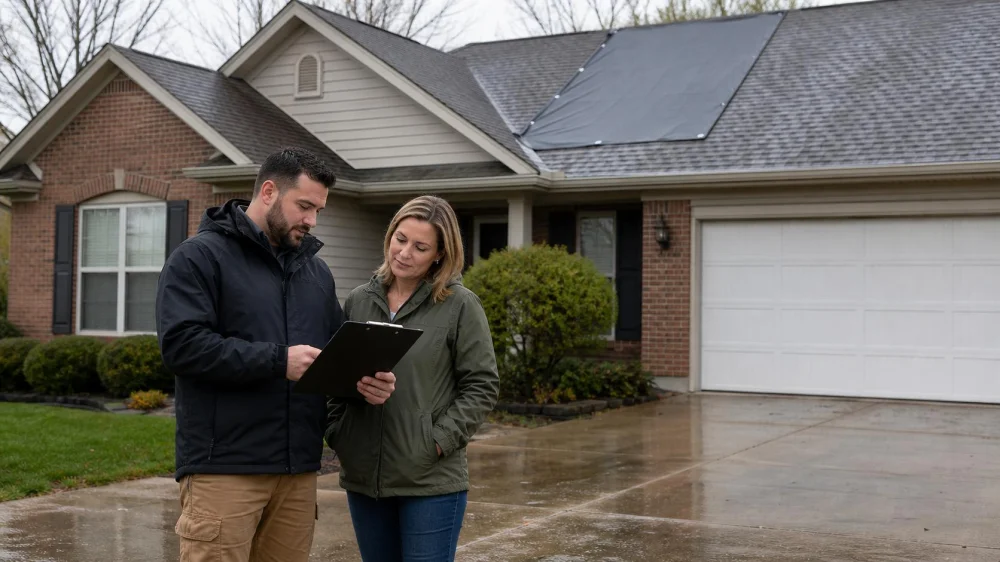
Roof Tarp After a Storm: Confirm Safety and Repair Plans
On this page
Quick answer
A roof tarp is temporary weather protection, not proof that the damage is repaired. Stay off a storm-damaged roof and have a qualified contractor assess access, structure, utilities, anchoring, drainage, and forecast conditions. Photograph damage safely, obtain a written temporary-work scope, ask how the tarp will be monitored, and schedule permanent diagnosis and repair.
Absolute Roofing / absolute roofing
TimoniumBaltimore CountyMaryland
22 W Padonia Rd # B229, Timonium, MD 21093, USA
What a temporary roof tarp can and cannot do
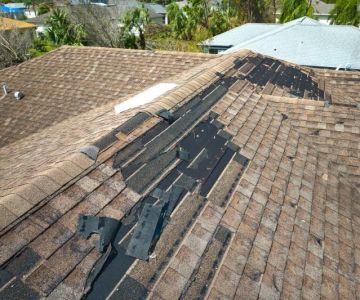
A properly selected and secured covering may reduce additional rain entry over some damaged areas. It cannot restore decking, framing, flashing, shingles, fasteners, electrical systems, or wet interiors, and it can fail in wind or pool water if its layout is unsuitable. Attachment methods can also cause new penetrations, so the temporary and permanent scopes should be coordinated.
This guide is for United States homeowners and property managers arranging temporary roof protection after a storm. It is not a do-it-yourself roof-access guide, an insurance interpretation, or a guarantee that tarping is appropriate. Damage, weather, building type, contractor access, and local rules vary.

Rapid Response Roofing / rapid response roofing
East GreenvilleMontgomery CountyPennsylvania
408 State St, East Greenville, PA 18041, USA
Practical checklist
- Immediate hazards: fallen lines, gas odour, fire, unstable walls, sagging roof areas, broken glass, flooding, or falling debris.
- Storm date and time, wind or hail conditions, visible damage from the ground, indoor leaks, and rooms or belongings affected.
- Contractor identity, licence where required, insurance, emergency contact, arrival window, and safe-access plan.
- Cover material, dimensions, protected area, attachment method, roof penetrations, edge treatment, drainage, and wind limitations.
- Interior water control, professional drying needs, electrical concerns, and whether occupants should avoid any area.
- Written price, authorization, photographs before and after, monitoring duties, expected service life, and removal responsibility.
- Permanent inspection and repair timing, material availability, permit responsibility, insurer communication, and forecast triggers.
Step-by-step plan
- Keep everyone away from downed lines, unstable structures, active ceiling bulges, and debris. Contact emergency services or the utility when an immediate hazard exists.
- Photograph exterior and interior conditions only from safe locations. Do not climb onto the roof or enter a damaged attic to improve documentation.
- Call a qualified roofing contractor and describe the building, damage, leak rate, utilities, roof height, access, and forecast. Ask whether another specialist is needed first.
- Request a written temporary scope that identifies the covered area, attachment, drainage, limitations, monitoring, removal, price, and effect on later repair.
- Coordinate insurer notice without delaying urgent reasonable loss-limiting measures. Keep receipts, communications, photos, and authorization records.
- Protect indoor contents from a safe position and arrange drying assessment when materials are wet. Do not assume stopping a drip has dried the assembly.
- Book permanent diagnosis and repair, then monitor only from the ground and indoors. Report movement, billowing, new leaks, pooled water, or forecast concerns promptly.
Maintain a storm file with timestamps, weather alerts, safe photos, affected rooms, contractor and insurer contacts, temporary-scope documents, material and attachment details, invoices, monitoring instructions, changes after later weather, moisture or drying records, and the permanent repair proposal.
Limits and important notes
Never climb onto a wet, steep, damaged, icy, or windy roof to place or adjust a tarp. Do not weigh a tarp with loose objects that can fall, block drainage, cover active vents without assessment, or attach material near electrical hazards. A blue covering visible from the ground does not show whether concealed damage is protected.
Call emergency services for collapse risk, fire, suspected gas, serious injury, or an immediate electrical danger, and contact the utility for downed or threatened lines. Call the contractor urgently if the covering tears, shifts, fills with water, sheds fasteners, or new water entry begins. Leave unsafe areas until qualified professionals clear them.
Frequently asked questions
How long can a roof tarp stay in place?
There is no universal safe duration. Material, attachment, sun, wind, rain, roof shape, and damage determine monitoring and replacement needs.
Should I install the tarp myself?
Roof access after a storm can involve structural, fall, electrical, and weather hazards. Use a qualified contractor.
Does tarping affect an insurance claim?
Policy terms and facts vary. Document reasonable temporary measures, keep receipts, and communicate promptly with the insurer.
Can a tarp stop every leak?
No. Water may enter outside the covered area, travel under materials, or come from flashing, walls, utilities, or plumbing.
When should permanent repair be planned?
Begin planning promptly. Temporary protection needs monitoring and should not substitute for diagnosis, drying, permits, materials, and a written repair scope.
Sources and evidence
Use the roofing contractor's written temporary and permanent scopes, current tarp or membrane manufacturer instructions, local permit and contractor rules, utility safety guidance, insurer communications, and professional drying records. Weather forecasts inform monitoring but do not establish roof safety.
Conclusion and next steps
Treat tarping as a short bridge to a documented permanent repair. Keep people off the roof, record damage from safe locations, confirm who installs and monitors the cover, and protect wet interiors. Then move the inspection, drying, insurer communication, and final repair scope forward without mistaking temporary dryness for completion.
 AJEE SERVICES LLC0.0 (0 reviews)
 ABC-THE ROOFING EXPERTS5.0 (4 reviews)
 Precision Roofers,LLC5.0 (15 reviews)
 Modern Roofing and Home improvement5.0 (3 reviews)
 Mr. B's Roofing Ranger5.0 (1 reviews)
 ASA Roofing, Inc.4.0 (72 reviews)
 How to Identify and Repair Damaged Roof Decking from Long-Term Leaks
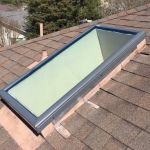 Roof Leak Repair Cost for Skylights: What Homeowners Should Expect
 How to Choose a Roof Color That Won't Go Out of Style for Resale | Pro Found Roofing
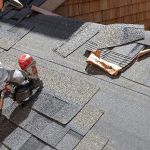 Can You Claim Roof Replacement on Taxes?
 How to Maintain a Flat Roof: Seasonal Cleaning and Inspection Tips>
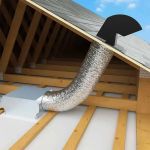 How to Install a Roof Vent for a Range Hood That Vents Through the Roof