- 1. Identifying Damaged Roof Decking
- 2. Common Signs of Roof Decking Damage from Long-Term Leaks
- 3. How to Repair Damaged Roof Decking
- 4. Prevention Tips to Avoid Future Roof Decking Damage
- 5. When to Seek Professional Help for Roof Decking Repairs
1. Identifying Damaged Roof Decking
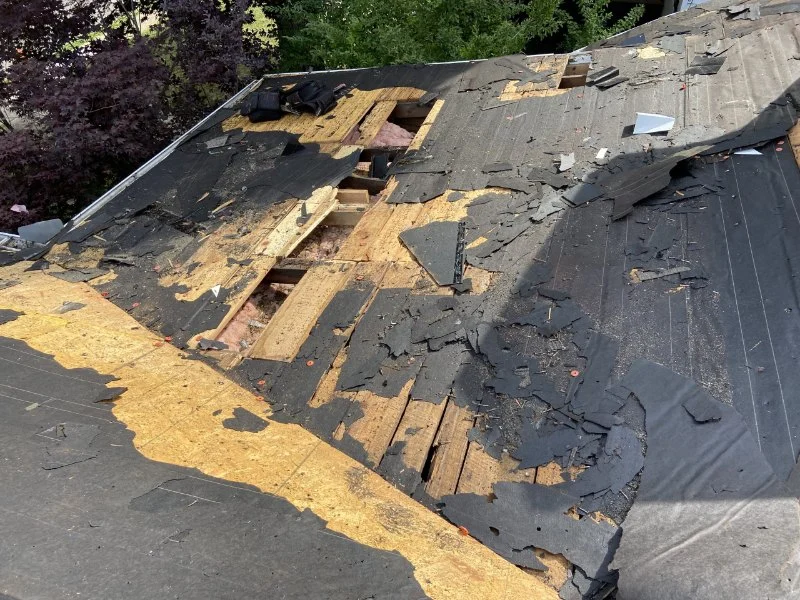
Roof decking serves as the structural foundation for your roof, supporting the shingles and providing a solid base for your roofing system. Over time, roof decking can become damaged due to long-term leaks, which can weaken the structure of your home and lead to more extensive repairs. Identifying damage early is crucial to prevent further deterioration and costly repairs.When a roof leak goes undetected or unresolved for an extended period, water can seep into the decking beneath the shingles. This can lead to rotting, warping, and the growth of mold or mildew. Understanding how to identify damaged roof decking is the first step in addressing these issues before they become severe.2. Common Signs of Roof Decking Damage from Long-Term Leaks
There are several indicators that your roof decking may have sustained damage from prolonged water exposure. Some signs are more obvious, while others may be subtle. Knowing what to look for can help you identify the issue early and take appropriate action.Sagging or Drooping CeilingIf you notice your ceiling starting to sag, it could be a sign that the roof decking underneath has been compromised by water damage. Prolonged leaks can weaken the structure of the decking, causing it to bow or sag over time.Stains and Water MarksWater stains or marks on the ceiling or walls inside your home are often one of the first visible signs of a roof leak. These stains indicate that water has been seeping through the roof for an extended period, and the decking underneath may be affected.Visible Mold or Mildew GrowthIf you spot mold or mildew growth on your ceiling or in your attic, it may be due to water damage to the roof decking. Mold thrives in damp conditions, and persistent leaks provide the perfect environment for it to grow.Weak or Soft Areas in the Roof DeckingIf you are able to inspect your attic or the underside of your roof, gently press on the decking. If you notice soft spots or areas that give way under pressure, it is a strong indicator of water damage. This kind of damage can compromise the structural integrity of your roof.Rust or Corrosion on Roof Nails or FastenersLong-term water exposure can also lead to rust or corrosion on the nails and fasteners securing your roof decking. If you notice rusting nails or metal fasteners, it’s a sign that the roof decking has been exposed to moisture for a prolonged period.3. How to Repair Damaged Roof Decking
Repairing roof decking requires careful attention to detail and a methodical approach to ensure the structural integrity of your roof is restored. Here’s a step-by-step guide to repairing damaged roof decking caused by long-term leaks.Assess the DamageBefore starting the repair, it’s essential to assess the extent of the damage. Inspect the decking for signs of rotting or warping, and determine if the damage is limited to a small area or if it affects the entire decking.Remove the Old Roofing MaterialsBegin by removing the old shingles, underlayment, and any other roofing materials covering the damaged area. This will give you access to the roof decking so you can properly inspect and replace the damaged sections.Cut Out and Replace Damaged DeckingUsing a saw, carefully cut out the damaged sections of the decking. Be sure to remove all rotting or weakened wood to prevent further issues. Once the damaged decking is removed, cut new plywood or OSB (oriented strand board) to fit the area. Nail the new decking into place, ensuring it is securely fastened.Check for Additional LeaksAfter replacing the damaged decking, check for any other signs of leaks or water damage. This is a good time to replace any roofing components that may have been compromised, such as flashing or vents.Reinstall Roofing MaterialsOnce the decking is replaced, reinstall the underlayment and new shingles. Make sure that everything is properly sealed to prevent future leaks. Pay special attention to the edges and corners of the roof where leaks are most likely to occur.4. Prevention Tips to Avoid Future Roof Decking Damage
Preventing damage to your roof decking is essential to maintaining the health and longevity of your roof. Here are some helpful tips to avoid future water damage:Perform Regular Roof InspectionsInspect your roof at least twice a year, particularly after storms or extreme weather. Early detection of small leaks or damage can help prevent more significant issues with the roof decking.Ensure Proper Gutter MaintenanceClean and maintain your gutters regularly to ensure proper water flow. Clogged gutters can cause water to pool on your roof, leading to leaks that can damage the decking over time.Check for Proper Ventilation in the AtticEnsure that your attic is properly ventilated to prevent excess moisture buildup. Poor ventilation can contribute to condensation, leading to water damage to the roof decking.Address Leaks ImmediatelyIf you notice a roof leak, address it as soon as possible. Prolonged exposure to water can cause serious damage to both your roof and decking.5. When to Seek Professional Help for Roof Decking Repairs
While DIY repairs can be effective for minor roof decking issues, some situations require professional intervention. If the damage is extensive or if you’re unsure about the extent of the damage, it’s best to seek professional help. Roofing contractors can assess the situation, provide expert recommendations, and ensure the repair is done correctly and safely.If you’re dealing with a roof decking issue caused by long-term leaks, don’t wait until the damage worsens. Professional roofers have the tools and expertise to tackle the repair quickly and efficiently, saving you time and money in the long run.If you need assistance with roof repairs or are looking for roofing materials, visit Pro Found Roofing for expert services and the best products to protect your home from further damage.
 D.A Roofing and Home Improvements5.0 (2 reviews)
 Hometown Roofing and Construction5.0 (135 reviews)
 J & G Roofing0.0 (0 reviews)
 Rapid Response Remodeling5.0 (44 reviews)
 Hometown Custom Exteriors5.0 (37 reviews)
 Impact Roofing & Renovations5.0 (21 reviews)
 The Connection Between Your Roof and Home's Structural Integrity
 Can a Roof Be Repaired in Winter? What You Need to Know | Pro Found Roofing
 The Best Roofing Materials for a Home in a Wildfire-Prone Area (Class A)
 What is a Roofing Cricket? How It Prevents Water Buildup Behind Chimneys
 How to Repair a Leaking Roof on a Porch or Sunroom with a Low Slope | Pro Found Roofing
 Do You Need a Permit for Roof Replacement? A State-by-State Guide