
Roofing Contractor License Check: Verify the Right Jurisdiction
On this page
Quick answer
Roofing license rules in the United States depend on the job location, work type, and project value. Ask the state, county, and city agencies that govern the property which license or registration is required. Search the official database using the contractor’s legal name and license number, then match classification, status, expiration, business address, and qualifying person. Verify insurance, permits, and complaints separately. Save the result before signing and recheck it immediately before work begins.

Holden Roofing (Houston Corporate) / holden roofing
RosenbergFort Bend CountyTexas
2128 1st St, Rosenberg, TX 77471, USA
Start with the job address
Licensing follows the place where work occurs, not simply the contractor’s home office. A company licensed in one state or county may need separate authority for your location. Some jurisdictions license roofers specifically, some use a general or residential contractor category, and others rely on local registration.
Write down the full property address, roof type, repair or replacement scope, and expected contract value. Ask whether the work includes structural carpentry, solar removal, electrical changes, asbestos work, or another trade that could require additional credentials.
The U.S. Small Business Administration notes that construction is commonly regulated by state or local government and that licenses and permits depend on activity and location.

SB Pro Roofing / sb pro roofing
Pinellas ParkPinellas CountyFlorida
6358 49th St N, Pinellas Park, FL 33781, USA
Find the official regulator
Begin with your state licensing board or consumer protection office, then contact county and city building or contractor-licensing departments. Use government websites and phone numbers you locate independently—not a link or number supplied only by the salesperson.
Ask the agency: Is a license or registration required for this roofing scope and dollar amount? Which classification applies? Does the business, an individual qualifier, or both need to be listed? Are there local registrations or permits in addition to the state credential?
USAGov provides a directory of state consumer protection offices, which can direct consumers to complaint and licensing resources. The FTC also recommends confirming licenses with state or county government.
Match the license record
Search the official database and compare more than the number:
- Legal business name and any approved trade name
- License number and classification
- Active, suspended, expired, revoked, or pending status
- Issue and expiration dates
- Business address and qualifying individual
- Bond or insurance indicators shown by the regulator
- Public disciplinary history or restrictions
Match the legal entity on the license to the quote, contract, invoice, insurance certificate, vehicle, and payment recipient. Similar names do not prove affiliation. Call the regulator when a database field is unclear.
Check related requirements
A valid license does not automatically prove current liability insurance, workers’ compensation, a permit, a bond for your project, or manufacturer certification. Verify each item through its appropriate source.
Ask the local building department who pulls the roofing permit and when inspections occur. A contractor asking the homeowner to pull a permit may change responsibility or indicate the business is not authorized; clarify with the department before agreeing.
If a bond is required, identify its purpose and current status. A licensing bond is not the same as a performance bond and may not guarantee completion of your roof.
Verify the people and contract
Ask who will supervise the site and whether employees or subcontractors will do the work. Confirm that any subcontractor needing its own credential is properly listed and insured.
FTC guidance recommends multiple written estimates and a written contract that includes contractor details, license number, dates, scope, materials, price, and relevant cancellation rights. Fill every blank before signing.
Do not let a valid license number rush the decision. Check references, insurance, scope, payment schedule, warranties, property protection, cleanup, and complaint history as separate parts of due diligence.
Save a time-stamped record
Print or save the official result with the page address and date checked. Record the agency representative and confirmation number for a phone verification.
Recheck shortly before the start date, especially if weeks or months passed after signing. Licenses can expire or change status, and insurance documents can lapse.
If the record becomes inactive, pause access and deliveries until the regulator explains whether work can legally proceed and the contractor supplies updated proof.
Limitations and important notes
This guide is general U.S. consumer information, not legal advice. State and local rules, exemptions, project thresholds, and terminology vary and can change.
An active license is a screening tool, not a workmanship guarantee. The official regulator is the authority on what your project requires.
Sources and evidence notes
- FTC: How to Avoid a Home Improvement Scam
- USAGov: State Consumer Protection Offices
- SBA: Apply for Licenses and Permits
Frequently asked questions
Is there one national roofing license?
No general federal roofing license replaces state and local requirements. Check the agencies governing the job address.
Can I trust a license number printed on a truck?
Use it as a search lead, then match it in the official database to the business and current status.
Does an active license mean the roofer is insured?
Not necessarily. Verify insurance with current documentation and an independently confirmed insurer or broker.
What if my state does not license roofers?
Ask county and city agencies about local registration, permits, insurance, bonds, and consumer rules.
Should I recheck after signing?
Yes. Recheck before work begins and when a credential is scheduled to expire during the project.
Next steps
Call the state, county, and city agencies with the job address and scope. Write down the required credential and permit. Search the official record, match every business detail, verify related insurance and subcontractors, and save the dated result. Resolve any mismatch before signing, paying, permitting delivery, or allowing roof access.

 G&G METAL ROOFING SYSTEMS3.0 (3 reviews)
 TEGO5.0 (20 reviews)
 Hiram Roofing5.0 (132 reviews)
 Tim Smith's Roofing5.0 (3 reviews)
 Home Crafters Roofing & Contracting5.0 (2717 reviews)
 HD Roofing and Repairs4.0 (267 reviews)
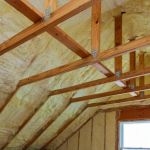 The Best Attic Insulation Types to Work with Your Roofing System for Efficiency
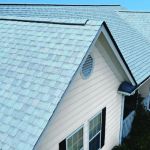 Energy-Efficient 'Cool Roofs': How They Can Significantly Lower Your Cooling Bills
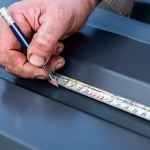 What Is a Roofing Square and How Is It Calculated?
 Do You Need to Replace Roof Before Selling? A Complete Guide
 How to File an Insurance Claim for Roof Damage Step by Step
 How to Choose the Right Gutter System to Protect Your Roof and Foundation