
- 1-What Are Cool Roofs?
- 2-How Cool Roofs Save Energy and Lower Cooling Bills
- 3-Benefits of Cool Roofs Beyond Lowering Cooling Bills
- 4-Installing a Cool Roof: What You Need to Know
- 5-Real-Life Case Study: The Impact of a Cool Roof
1. What Are Cool Roofs?
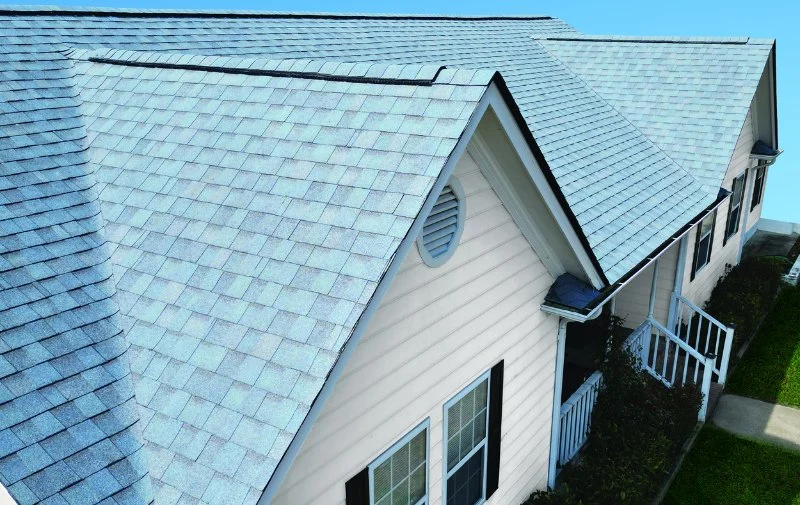
Cool roofs are designed to reflect more sunlight and absorb less heat than standard roofing materials. These roofs are made from reflective materials or are coated with special reflective coatings to reduce the amount of heat transferred into your home. By staying cooler, cool roofs can significantly lower the energy used for cooling, particularly during hot summer months.

JK Contractors / jk roofing
West BendOzaukee CountyWisconsin
3058 County Rd Y, West Bend, WI 53095, USA
1.1 Key Features of Cool Roofs
The primary feature of a cool roof is its high solar reflectance, which allows it to reflect a larger portion of the sun’s rays, compared to traditional dark roofs. Cool roofs also have a high thermal emittance, meaning they quickly release absorbed heat back into the air. This combination helps to keep the roof temperature lower and reduces the need for air conditioning inside the building.
Lance Roofing & Siding Inc. / lance roofing and siding
6903 Dayton Springfield Rd, Enon, OH 45323, USA
1.2 Types of Cool Roofs
Cool roofs can be made from various materials, including:
- Reflective Shingles: These are traditional asphalt shingles that have been coated with reflective granules to enhance their reflectivity.
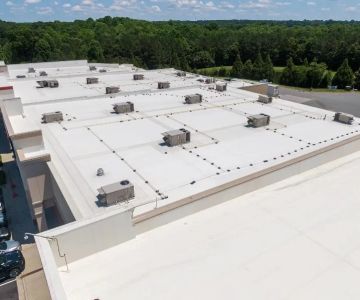
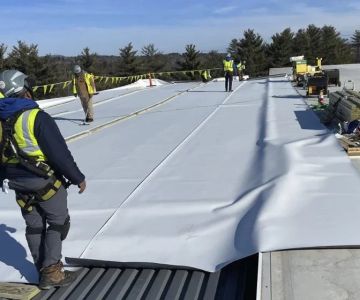
- Cool Roof Membranes: Typically made from reflective plastic or rubber, these materials are often used on flat or low-sloped roofs.
- Metal Roofs: Many metal roofs come with reflective coatings that can significantly reduce heat absorption.
2. How Cool Roofs Save Energy and Lower Cooling Bills
Cool roofs can drastically reduce the amount of heat entering your home, which in turn reduces the need for air conditioning. Let’s explore how this works:
2.1 Reducing Heat Absorption
Traditional roofs, especially dark-colored ones, absorb much of the sun’s heat. This absorbed heat is then transferred into your home, making it necessary to run air conditioning to maintain a comfortable temperature. Cool roofs, however, reflect a significant amount of sunlight, which minimizes heat absorption and keeps your home cooler, reducing the reliance on air conditioning systems.
2.2 Lowering Cooling Costs
By keeping your home cooler, a cool roof reduces the workload on your air conditioning system, which leads to a decrease in energy consumption and lower cooling bills. According to the U.S. Department of Energy, cool roofs can lower air conditioning costs by as much as 20%, depending on the climate and the type of roof.
2.3 Extending the Lifespan of Your Roof
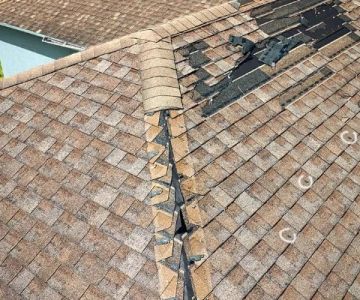
Because cool roofs don’t absorb as much heat, they experience less thermal stress. This reduces the wear and tear on the roofing materials and can extend the lifespan of your roof. In addition, cool roofs can prevent overheating, which can cause premature aging of roofing materials like shingles and membranes.
3. Benefits of Cool Roofs Beyond Lowering Cooling Bills
While reducing cooling costs is the primary benefit of installing a cool roof, there are other advantages as well:
3.1 Improved Comfort
A cool roof helps maintain a more consistent indoor temperature, preventing hot spots in your home. This can make living spaces more comfortable, especially in areas with extreme summer heat.
3.2 Environmental Impact
Cool roofs also have a positive environmental impact. By reducing the energy used for cooling, they help decrease the demand for electricity and reduce greenhouse gas emissions associated with power generation. This makes cool roofs an environmentally friendly choice, especially in urban areas where heat islands are a concern.
3.3 Increase in Property Value
Homes with energy-efficient features, such as cool roofs, can have higher property values. Many potential buyers are now looking for energy-efficient homes that help them save on utility costs. A cool roof can make your home more attractive to buyers, particularly in regions with hot climates.
4. Installing a Cool Roof: What You Need to Know
Installing a cool roof is a relatively straightforward process, but there are a few important considerations to keep in mind:
4.1 Assess Your Roof Type
The installation process depends on the type of roof you have. For example, if you have a flat or low-sloped roof, cool roof membranes may be a suitable option. For steep-pitched roofs, reflective shingles or metal roofing with a reflective coating might be more appropriate.
4.2 Choose the Right Material
There are various cool roof materials available, including shingles, tiles, and membranes. Choose the material that best suits your roofing style, budget, and climate. Consider factors such as durability, reflectivity, and the expected lifespan of the material.
4.3 Professional Installation
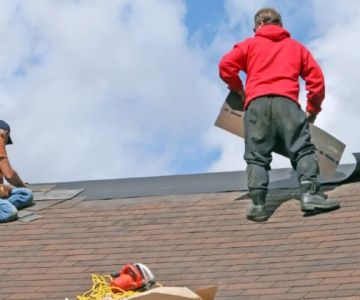
While cool roof materials can sometimes be a DIY project, professional installation is often recommended. A professional roofer can ensure the correct installation of the material, which maximizes its reflective properties and performance over time. Proper installation is key to ensuring long-term benefits.
5. Real-Life Case Study: The Impact of a Cool Roof
Consider the case of a homeowner in Texas who decided to install a cool roof on their home. Prior to the installation, their monthly cooling bills were consistently high due to the extreme summer temperatures. After replacing their traditional asphalt shingles with cool reflective shingles, their cooling bills dropped by 18%. Over the course of the summer, the home remained noticeably cooler, and the air conditioning system ran less frequently. Additionally, the homeowner noticed an improvement in the overall comfort of the home, especially in rooms that used to feel warmer.
This real-life example illustrates how a cool roof can lead to immediate and long-term savings on cooling bills, as well as improvements in home comfort.
 RVAX Metal Roofing5.0 (13 reviews)
 iHeart Roofing5.0 (19 reviews)
 Save My Roof5.0 (51 reviews)
 Ivy league Roof Installation5.0 (6 reviews)
 T L Roofing & Sheet Metal Corporation5.0 (1 reviews)
 HRL Exteriors5.0 (12 reviews)
 How to Install a Standing Seam Metal Roof with Hidden Fasteners
 How to Choose a Roofing Contractor Who Offers a Strong Workmanship Warranty
 How Attic Ventilation Impacts Roof Health: Importance and Solutions
 The Role of Attic Insulation in Roof Health: Regulating Temperature and Preventing Ice Dams
 How to Tell If Your Roof Was Installed Properly
 How to Install Ice and Water Shield on a Roof with Many Valleys and Penetrations