
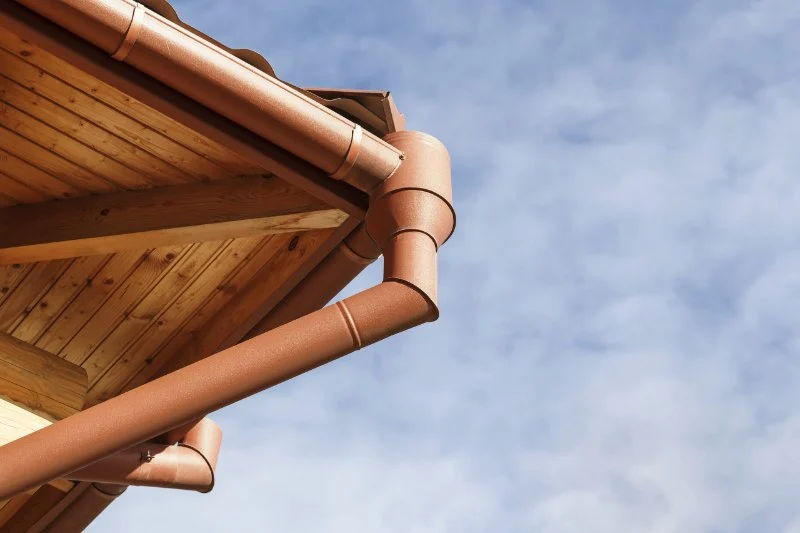
 How to Choose the Right Gutter System to Protect Your Roof and Foundationgutter system, choosing gutter system, roof protection, foundation protection, best gutters for home, gutter system installation, roof and foundation care, gutter systems for housesLearn how to choose the right gutter system to protect your roof and foundation. Explore the benefits of different types of gutters and how they can prevent water damage. Visit Pro Found Roofing for the best gutter system options for your home.
- 1. Why Gutters Are Important for Roof and Foundation Protection
- 2. Types of Gutter Systems to Consider
- 3. How to Choose the Right Gutter System for Your Home
- 4. Common Mistakes to Avoid When Choosing Gutters
- 5. Real-Life Example: Choosing the Right Gutters for Your Home
1. Why Gutters Are Important for Roof and Foundation Protection
Gutters play a critical role in protecting your home from water damage. Without an efficient gutter system, rainwater can flow directly down the sides of your house, potentially causing severe damage to your roof, walls, and foundation. Gutters channel this water away from these areas, preventing leaks, erosion, and mold growth.
When rainwater collects around the foundation of a house, it can lead to structural problems, including cracks in the foundation or basement flooding. A properly functioning gutter system prevents these issues by directing water safely away from the foundation and into the drainage system. In addition, gutters help prevent soil erosion and water pooling around the house, which can lead to expensive repairs if not managed correctly.

SB Pro Roofing / sb pro roofing
Pinellas ParkPinellas CountyFlorida
6358 49th St N, Pinellas Park, FL 33781, USA
2. Types of Gutter Systems to Consider
When selecting a gutter system, it’s essential to consider the various options available. Each type of gutter has its unique benefits, and the best choice for your home will depend on factors such as your budget, home size, climate, and aesthetic preferences.

Holden Roofing (Houston Corporate) / holden roofing
RosenbergFort Bend CountyTexas
2128 1st St, Rosenberg, TX 77471, USA
1. K-Style Gutters
K-style gutters are the most common type in the U.S. They are named for their shape, which resembles the letter "K." These gutters offer a clean, modern look and are typically available in a wide range of materials, including aluminum, copper, and vinyl. K-style gutters can hold more water than other types, making them an excellent choice for homes in areas that experience heavy rainfall.
2. Half-Round Gutters
Half-round gutters are a traditional option, often seen on older homes or those with a classic design. These gutters are circular in shape and can provide a smooth, sleek look. Although they may not carry as much water as K-style gutters, they are still effective for most homes, especially in areas with mild to moderate rainfall.
3. Seamless Gutters
Seamless gutters are custom-made to fit the dimensions of your home, reducing the chances of leaks because they don’t have seams. These gutters are designed for a perfect fit, which reduces maintenance and offers a long-lasting, durable option for homeowners. However, seamless gutters tend to be more expensive than traditional models due to the customization involved in their installation.
4. Box Gutters
Box gutters are typically used in larger homes or commercial buildings. These gutters are built into the roofline, creating a box-like structure that is hidden from view. They are ideal for homes with a flat or low-pitched roof, where water may accumulate more easily. While box gutters are more discreet, they can be more expensive and require professional installation.
3. How to Choose the Right Gutter System for Your Home
Choosing the right gutter system for your home requires careful consideration of several factors. Here's what to keep in mind:
1. Consider Your Local Climate
Your location's climate plays a significant role in the type of gutter system you should choose. If you live in an area with heavy rainfall or snow, you’ll need gutters that can handle a larger volume of water. In these cases, K-style gutters or seamless gutters may be the best option due to their ability to manage more water. Additionally, consider materials that can withstand extreme weather conditions, such as copper or aluminum.
2. Determine the Right Size
Choosing the right size gutter is crucial to ensure that your system is effective in directing water away from your home. Gutters come in various sizes, typically ranging from 4 to 6 inches wide. The larger the gutter, the more water it can handle. For homes with a larger roof area or those located in heavy rainfall zones, a 5- or 6-inch gutter may be necessary.
3. Choose a Material That Suits Your Budget and Aesthetic
Gutters are available in a variety of materials, each with its own pros and cons:
- Aluminum: Lightweight, corrosion-resistant, and affordable. Aluminum is the most popular gutter material.
- Copper: Durable and stylish, but expensive. Copper gutters age beautifully and provide a unique aesthetic.
- Vinyl: Affordable and easy to install, but not as durable as other materials.
- Steel: Strong and long-lasting, though prone to rust unless galvanized or coated.
4. Plan for Maintenance
Regardless of the type of gutter system you choose, regular maintenance is necessary to keep the system functioning properly. Consider how much maintenance each type of system requires. For instance, seamless gutters require less maintenance than sectional gutters because they don’t have seams that can accumulate debris.
4. Common Mistakes to Avoid When Choosing Gutters
When selecting and installing your gutter system, it’s easy to make mistakes that can lead to costly repairs down the road. Here are some common mistakes to avoid:
1. Overlooking Gutter Size
Choosing gutters that are too small for your home’s roof can lead to overflow and water damage. Always make sure the size is appropriate for the amount of water your roof will channel.
2. Choosing the Cheapest Option
While it's tempting to choose the cheapest gutters, this often leads to increased maintenance and potential issues in the future. Opt for high-quality materials and consider the long-term benefits of investing in a durable system.
3. Forgetting to Install Downspouts Properly
Downspouts are essential for ensuring that water flows away from your home’s foundation. Make sure to install enough downspouts in the right locations to prevent water from pooling near your foundation.
5. Real-Life Example: Choosing the Right Gutters for Your Home
Take the case of Sarah and Tom, who recently moved into a home in a heavy rainfall zone. They decided to install seamless gutters, as they were looking for a low-maintenance, long-lasting solution. After consulting with a professional from Pro Found Roofing, they also chose 6-inch gutters to ensure they could handle the volume of water during storms. The installation was smooth, and after a year, the gutters had proven their effectiveness in protecting their home from water damage.
Sarah and Tom's experience highlights the importance of consulting professionals when choosing a gutter system. Working with experts can ensure that you make the right choice based on your home’s unique needs and local conditions.





 Peach State Roofing Inc5.0 (1 reviews)
 Saint Petersburg Shield Roof Pro0.0 (0 reviews)
 Sandoval Diversified4.0 (39 reviews)
 Spartan Roofing & Renovations LLC4.0 (51 reviews)
 Rrc remodeling0.0 (0 reviews)
 Pineview Builders5.0 (2 reviews)
 The Ultimate Checklist for Hiring a Roofing Contractor | Pro Found Roofing
 How to Install a Roof Vent for a Bathroom Fan to Prevent Moisture Buildup
 The Pros and Cons of Installing a Roof Overlay Instead of Full Replacement
 How Hail Damage Affects Your Roof's Lifespan and Performance Over Time
 Best Roofing Materials for a Home in a Heavy Rainfall Climate
 The Pros and Cons of Installing a Roof Overlay vs Full Replacement