- 1. Introduction to Roof Ventilation
- 2. Why Proper Roof Ventilation Is Important
- 3. Signs of Poor Airflow in Your Attic
- 4. How to Improve Attic Ventilation
- 5. Choosing the Right Roof Ventilation System
- 6. When to Consult a Professional for Roof Ventilation
1. Introduction to Roof Ventilation
Roof ventilation is a critical component in maintaining a healthy, energy-efficient home. It involves the process of circulating air in and out of your attic to prevent moisture buildup and regulate temperatures. Unfortunately, many homeowners overlook proper roof ventilation, which can lead to severe damage to the roof structure, higher energy bills, and increased repair costs. This guide explains why ventilation matters and how you can spot the signs of poor airflow in your attic.
Victors Home Solutions / victors roofing
2722 E Michigan Ave suite 239, Lansing, MI 48912, USA
2. Why Proper Roof Ventilation Is Important
Good ventilation helps maintain a balanced environment in your attic. Without it, heat and moisture can accumulate, leading to several issues:

Absolute Roofing / absolute roofing
TimoniumBaltimore CountyMaryland
22 W Padonia Rd # B229, Timonium, MD 21093, USA
2.1 Prevents Moisture Build-Up
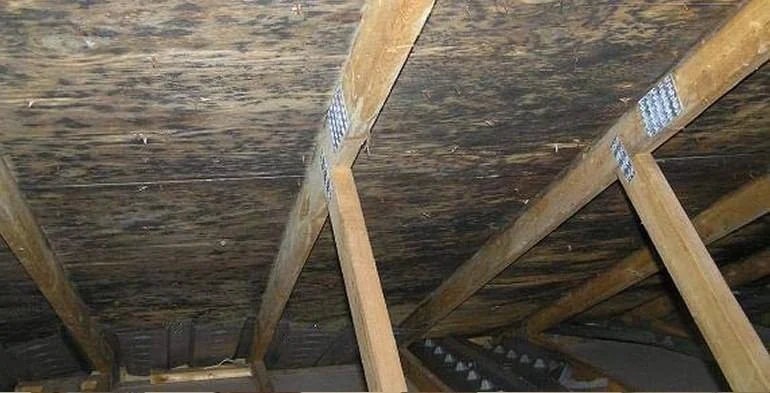
Excess moisture can cause wood rot, mold, and mildew. Without proper airflow, moisture gets trapped in the attic, especially in humid weather, which can damage the roof and the interior of your home.
2.2 Reduces Energy Costs
During the summer, poor attic ventilation can trap heat in your home, forcing your air conditioner to work harder. In winter, the lack of airflow can contribute to ice damming, which leads to water damage. Proper ventilation can regulate temperatures and reduce the load on your heating and cooling systems, leading to lower energy costs.
2.3 Extends Roof Lifespan
By preventing the buildup of heat and moisture, you can significantly extend the lifespan of your roofing materials. Excessive heat can warp shingles, and trapped moisture can cause them to deteriorate quickly. Proper ventilation allows your roof to perform optimally for years to come.
3. Signs of Poor Airflow in Your Attic
Understanding the signs of inadequate ventilation is crucial to maintaining a healthy roof. Here are the most common indicators that your attic may have poor airflow:
3.1 Excessive Heat in the Attic
If your attic feels excessively hot during the summer months, it’s a clear sign that your roof is not properly ventilated. Heat can build up and radiate into your living spaces, causing discomfort and increasing air conditioning costs.
3.2 Visible Mold or Mildew
Moisture buildup is a key cause of mold and mildew growth. If you notice mold in your attic or the interior of your roof, it’s an indication that air is not circulating properly, and moisture is accumulating.
3.3 Ice Dams in the Winter
During winter, poor attic ventilation can lead to the formation of ice dams, which occur when snow melts off the roof and refreezes at the eaves. This can cause significant water damage to both the roof and the ceiling below. If you see icicles hanging from the edge of your roof, you likely have ventilation issues.
3.4 Stale or Musty Odors
A musty odor in your attic is another sign of poor ventilation. It usually indicates trapped moisture, which can lead to mold growth and structural damage.
4. How to Improve Attic Ventilation
If you notice any of the signs of poor airflow, it’s important to take action. Here are some ways to improve ventilation in your attic:
4.1 Install Ridge Vents
Ridge vents are installed at the peak of your roof to allow hot air to escape. They work in combination with soffit vents to create a continuous airflow system that helps regulate attic temperature and humidity.
4.2 Use Soffit Vents
Soffit vents are placed along the eaves of your roof, allowing cool air to flow into the attic while hot air escapes through the ridge vent. This balanced airflow helps to prevent heat buildup and moisture accumulation.
4.3 Add Gable Vents
Gable vents are installed on the ends of your roof and allow air to flow through the attic, promoting ventilation. They work well in homes with sloped roofs and can be combined with other ventilation systems for improved airflow.
4.4 Consider Attic Fans
If your attic experiences extreme heat, an attic fan can help expel hot air. These fans can be powered by electricity or solar energy and help reduce the temperature in your attic, preventing heat-related damage to your roof.
5. Choosing the Right Roof Ventilation System
There are various types of roof ventilation systems, and choosing the right one for your home depends on several factors, including the size of your attic, climate, and roof design. Consulting with a roofing professional can help you select the most effective system for your home’s needs. Generally, a combination of ridge, soffit, and gable vents works best for most homes.
6. When to Consult a Professional for Roof Ventilation
If you’re unsure about the condition of your roof ventilation or if you’re experiencing ongoing issues, it’s best to consult a roofing professional. They can assess your attic’s airflow, recommend improvements, and perform necessary repairs or installations. It's especially important to call a professional if your home is prone to significant moisture or heat buildup, or if you notice any structural issues related to your roof or attic.
Improving the ventilation in your attic is essential to maintaining a healthy roof and a comfortable home. If you're looking for professional assistance with roof ventilation, consider reaching out to Pro Found Roofing for expert guidance and services.

 Elite Roofing LLC4.0 (51 reviews)
 Dalmatia Construction & Roofing5.0 (44 reviews)
 Action Roofing & Remodeling4.0 (37 reviews)
 RidgeMax Roofing4.0 (241 reviews)
 Loy-Quinn Roofing4.0 (34 reviews)
 Eagle Roofing3.0 (9 reviews)
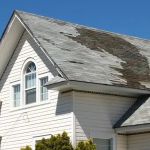 What to Do When Your Roof Fails a Home Inspection – Expert Tips and Solutions
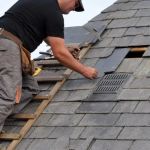 Top Mistakes Homeowners Make During Roof Repairs
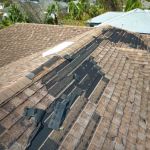 How to Repair Cracked, Curling, or Missing Shingles: A DIY Guide
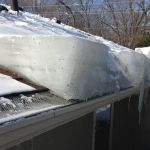 The Signs of Ice Dam Damage on Your Roof and in Your Attic
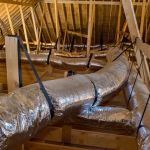 How Attic Ventilation Affects Roof Health and Longevity
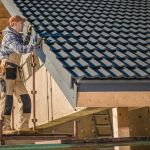 The Connection Between Your Roof and Home's Structural Integrity