
- 1. Asphalt Shingle Roof Lifespan: An Overview
- 2. How Climate Zones Impact the Lifespan of Your Roof
- 3. Lifespan of Asphalt Shingles in Cold Climates
- 4. Asphalt Shingle Lifespan in Hot and Humid Climates
- 5. Other Factors Affecting Asphalt Shingle Lifespan
1. Asphalt Shingle Roof Lifespan: An Overview
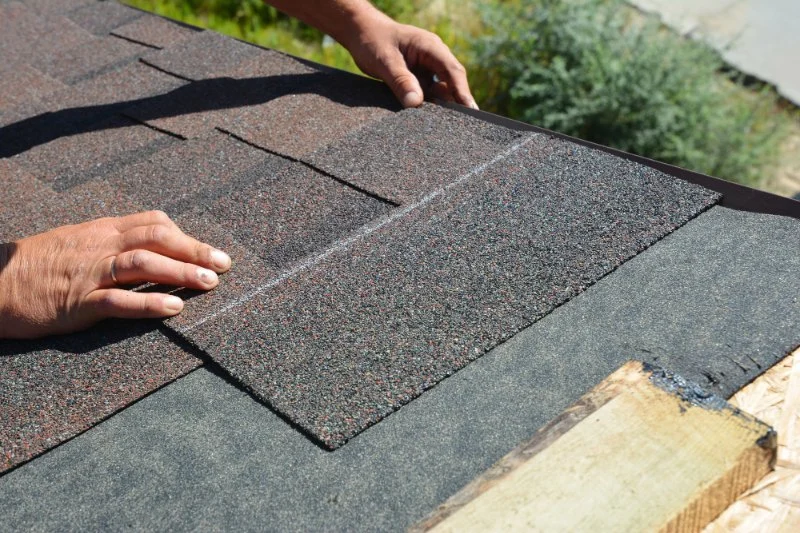
Asphalt shingles are one of the most commonly used roofing materials in the U.S. Known for their affordability and ease of installation, asphalt shingles also come with a variety of durability levels. On average, an asphalt shingle roof lasts anywhere from 15 to 30 years, but this lifespan can vary significantly depending on the climate in which you live. In this article, we'll explore how different climate zones impact the lifespan of asphalt shingle roofs, helping you make informed decisions about maintenance, repairs, and replacements.

JK Contractors / jk roofing
West BendOzaukee CountyWisconsin
3058 County Rd Y, West Bend, WI 53095, USA
2. How Climate Zones Impact the Lifespan of Your Roof
The climate in which your home is located plays a crucial role in the longevity of your roof. Different regions of the United States experience varying weather conditions, such as extreme heat, cold, humidity, and precipitation. These elements can contribute to the wear and tear of roofing materials, including asphalt shingles.
Lance Roofing & Siding Inc. / lance roofing and siding
6903 Dayton Springfield Rd, Enon, OH 45323, USA
2.1 The Influence of Temperature Fluctuations
Asphalt shingles are particularly vulnerable to temperature fluctuations. In areas with extreme temperatures, shingles can expand and contract, leading to cracks, curling, or granule loss. This wear can significantly reduce the lifespan of your roof. Understanding how your local climate affects this process is essential for proper roof care.
2.2 Rain and Humidity Effects
Regions with high rainfall or humidity levels also affect the durability of asphalt shingles. Moisture can seep into the shingles, causing them to degrade faster. This is particularly true for areas prone to frequent storms or high levels of precipitation.
3. Lifespan of Asphalt Shingles in Cold Climates
Cold climates pose a unique challenge for asphalt shingles. In areas with cold winters, snow, and ice, the freezing and thawing process can accelerate roof deterioration. Here's how cold weather impacts asphalt shingles:
3.1 Freeze-Thaw Cycle
When snow and ice melt during the day and refreeze at night, the freeze-thaw cycle causes the shingles to expand and contract. This repeated process can lead to cracking, curling, or even detachment of the shingles. If not properly maintained, asphalt shingles in cold climates may only last 15-20 years.
3.2 Ice Dams and Roof Damage
Ice dams can form when melted snow refreezes at the roof's edge, preventing water from draining properly. This can cause water to back up under the shingles, leading to leaks and water damage inside the home. The presence of ice dams can further shorten the lifespan of your asphalt shingles.
4. Asphalt Shingle Lifespan in Hot and Humid Climates
On the other end of the spectrum, hot and humid climates also have a significant impact on the lifespan of asphalt shingle roofs. In these climates, shingles are exposed to high temperatures, intense sunlight, and moisture, which can lead to faster degradation. Here's what you need to know:
4.1 UV Radiation and Heat
In hot climates, direct sunlight and intense UV radiation can cause asphalt shingles to deteriorate faster. The constant exposure to heat can lead to the breaking down of the shingle's protective layers, causing them to crack and lose their color. This makes them more susceptible to further damage from rain and wind.
4.2 Humidity and Mold Growth
High humidity levels in places like Florida or the Gulf Coast can lead to the growth of algae and mold on asphalt shingles. While this doesn't always cause immediate structural damage, the mold can discolor shingles and, over time, contribute to their weakening and decay.
5. Other Factors Affecting Asphalt Shingle Lifespan
In addition to climate conditions, there are several other factors that can influence how long your asphalt shingles last:
5.1 Roof Ventilation
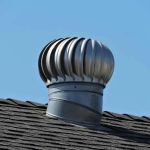
Proper ventilation in your attic is critical for extending the life of your asphalt shingle roof. Poor ventilation can cause heat to build up in your attic, leading to higher temperatures inside the roof structure. This heat can accelerate the aging process of the shingles, causing them to wear out faster.
5.2 Shingle Quality and Installation
The quality of the asphalt shingles themselves plays a role in their longevity. Higher-end shingles with better warranties tend to last longer, regardless of climate conditions. Additionally, proper installation is key to maximizing the lifespan of your roof. Incorrect installation can lead to premature wear and leaks.
5.3 Regular Maintenance
Regular maintenance and inspections are essential for extending the life of your asphalt shingle roof. Replacing damaged or missing shingles, cleaning gutters, and addressing minor issues before they become major problems can help keep your roof in good condition for many years.
In conclusion, while asphalt shingle roofs typically last 15 to 30 years, the lifespan of your roof can be significantly influenced by your local climate, maintenance practices, and the quality of your shingles. By understanding how climate zones affect your roof and taking proactive steps to protect it, you can ensure the longevity of your investment.
 Go Local Roofing0.0 (0 reviews)
 Model City Roofing5.0 (36 reviews)
 A Peak Above Roofing Inc4.0 (8 reviews)
 Stanford Construction5.0 (1 reviews)
 Custom Roofing Solutions5.0 (9 reviews)
 JD Roofing LLC0.0 (0 reviews)
 Best Roofing Materials for Townhouses and Rowhomes in the City
 How to Choose a Roofing Contractor Who is an Authorized Installer for the Brand
 Understanding Roofing Ventilation Systems and Why They Matter
 The Best Time of Year to Replace or Repair Your Roof - Tips for Homeowners
 How to Choose a Roofing Material That Matches Your Neighborhood's Aesthetic
 How to Find a Local Roofer You Can Trust: Online Reviews, References, and Certifications