
- 1-Understanding the Environmental Impact of Roofing
- 2-Eco-Friendly Roofing Materials
- 3-Benefits of Sustainable Roofing
- 4-How Roofing Materials Affect Energy Efficiency
- 5-Making Sustainable Roofing Choices
1. Understanding the Environmental Impact of Roofing
When it comes to home improvements, one of the most significant decisions you’ll make is the choice of roofing material. Not only does your roof protect you from the elements, but it also has a major environmental footprint. Traditional roofing materials, such as asphalt shingles, can contribute to pollution, energy inefficiency, and increased landfill waste. On the other hand, eco-friendly roofing materials can reduce environmental harm while improving your home's energy efficiency.
The environmental impact of your roofing choice includes the energy required for manufacturing, transportation, installation, and disposal of materials. By selecting sustainable options, you can help reduce carbon emissions and support a healthier planet. This article explores the different ways your roof impacts the environment and provides tips on how to choose more eco-friendly alternatives.

JK Contractors / jk roofing
West BendOzaukee CountyWisconsin
3058 County Rd Y, West Bend, WI 53095, USA
2. Eco-Friendly Roofing Materials
Several roofing materials offer sustainable alternatives to traditional options. Here’s a look at some of the best eco-friendly choices for your roof:
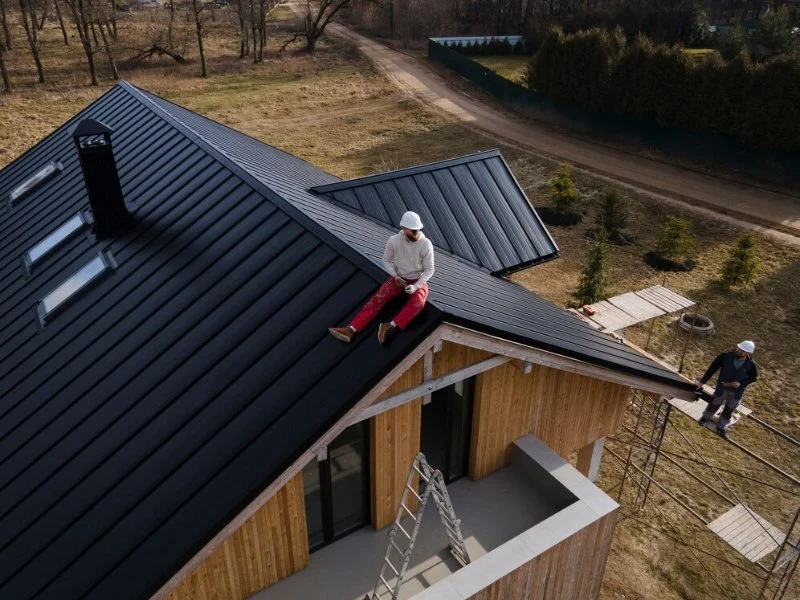
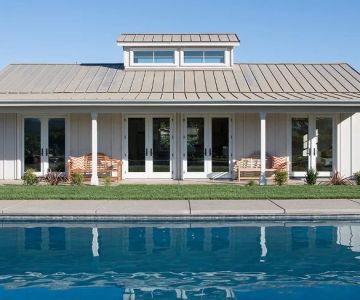
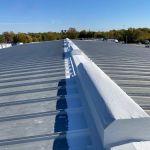
- Metal Roofing: Metal roofs, made from recycled materials, are durable, long-lasting, and energy-efficient. They reflect solar radiation, reducing the need for air conditioning, and are fully recyclable at the end of their lifespan.
- Clay and Concrete Tiles: These materials are made from natural resources and are long-lasting. Clay tiles are highly durable and energy-efficient, as they can naturally cool your home during hot months. Additionally, they can be reused or recycled.
- Wood Shingles or Shakes: Wood is a renewable resource, and when sourced sustainably, it can be a great eco-friendly roofing material. Wood shingles and shakes provide natural insulation, reducing energy consumption. Ensure the wood is certified by sustainability standards like FSC (Forest Stewardship Council).
- Green Roofs: Green roofing systems are covered with vegetation, which can improve air quality, reduce the urban heat island effect, and provide natural insulation. These roofs are ideal for eco-conscious homeowners looking for a natural, energy-efficient option.
- Recycled Roofing Materials: Some manufacturers offer roofing made from recycled products like rubber or plastic, which can help divert waste from landfills and reduce the demand for raw materials.
Choosing eco-friendly materials helps to conserve natural resources, minimize environmental impact, and can provide long-term cost savings due to increased energy efficiency and lower maintenance needs.
Lance Roofing & Siding Inc. / lance roofing and siding
6903 Dayton Springfield Rd, Enon, OH 45323, USA
3. Benefits of Sustainable Roofing
Opting for sustainable roofing materials provides multiple benefits beyond environmental impact. Here’s how eco-friendly roofs improve your home:
- Energy Efficiency: Sustainable roofing materials are often designed to improve your home’s insulation, keeping it cooler in the summer and warmer in the winter. This reduces the need for heating and cooling, lowering your energy bills.
- Reduced Carbon Footprint: By choosing recyclable, energy-efficient materials, you can significantly reduce your home’s carbon footprint. The production and disposal of traditional roofing materials contribute to global warming, while sustainable options help mitigate climate change.
- Increased Durability and Longevity: Eco-friendly roofs often last longer than traditional materials, which means fewer replacements and less waste. For example, metal roofs can last up to 50 years, far outlasting asphalt shingles.
- Improved Aesthetic Value: Sustainable roofing materials like clay tiles or green roofs can enhance the appearance of your home. Not only do they look great, but they also increase the resale value by offering energy efficiency and eco-conscious benefits.
These benefits make sustainable roofing an attractive choice for homeowners who want to reduce their environmental impact while enjoying long-term cost savings and aesthetic appeal.
4. How Roofing Materials Affect Energy Efficiency
Energy-efficient roofing materials are essential for reducing both your energy consumption and environmental impact. Here’s how your roofing choice affects your home’s energy efficiency:
- Reflectivity: Roofs that reflect sunlight, such as metal roofing or cool roofs, reduce the amount of heat absorbed by your home. This decreases the need for air conditioning during the hot months, lowering energy use.
- Insulation: Materials like clay tiles, concrete tiles, and green roofs provide excellent insulation, helping to maintain comfortable indoor temperatures without relying heavily on heating or cooling systems.
- Thermal Mass: Some roofing materials, like slate and tiles, have high thermal mass, meaning they can absorb and store heat during the day and release it at night, regulating indoor temperatures efficiently.
By choosing roofing materials that enhance your home’s energy efficiency, you can save on energy bills, reduce reliance on non-renewable energy, and help fight climate change.
5. Making Sustainable Roofing Choices
Choosing the right roofing material is an important step in making your home more eco-friendly. Here are some tips for making sustainable roofing choices:
- Consider Local Climate: Choose roofing materials that are well-suited to your local climate. For example, metal roofing may be ideal for hot climates, while tiles or slate might be better for cooler regions.
- Look for Certifications: Ensure that the materials you choose are certified as environmentally friendly, such as those with Energy Star, LEED, or FSC certifications.
- Recycling and Disposal: Consider the long-term disposal of your roofing material. Opt for materials that are recyclable or have minimal environmental impact when they need to be replaced.
- Work with Professionals: When installing a new roof, work with roofing professionals who specialize in sustainable options. They can help guide you toward the best materials for your home and climate.
By considering these factors, you can make an informed decision that benefits both your home and the environment. Sustainable roofing is not just an investment in your property, but also in the planet’s future.
For more information on eco-friendly roofing options and to explore the best sustainable materials, visit Pro Found Roofing.
 Go Local Roofing0.0 (0 reviews)
 Model City Roofing5.0 (36 reviews)
 A Peak Above Roofing Inc4.0 (8 reviews)
 Stanford Construction5.0 (1 reviews)
 Custom Roofing Solutions5.0 (9 reviews)
 JD Roofing LLC0.0 (0 reviews)
 Best Roofing Materials for Townhouses and Rowhomes in the City
 How to Choose a Roofing Contractor Who is an Authorized Installer for the Brand
 Understanding Roofing Ventilation Systems and Why They Matter
 The Best Time of Year to Replace or Repair Your Roof - Tips for Homeowners
 How to Choose a Roofing Material That Matches Your Neighborhood's Aesthetic
 How to Find a Local Roofer You Can Trust: Online Reviews, References, and Certifications