- understanding-ice-dams-and-how-to-prevent-them-on-your-roof
- 1-what-are-ice-dams-and-why-do-they-form
- 2-signs-your-home-is-at-risk-of-ice-dams
- 3-damage-caused-by-ice-dams-on-your-roof
- 4-practical-steps-to-prevent-ice-dams-before-winter-strikes
- 5-how-professional-roofers-help-long-term-prevention
Understanding Ice Dams and How to Prevent Them on Your Roof
If you live in colder parts of the U.S., you’ve probably seen thick ridges of ice forming along the edge of a snow-covered roof. These are ice dams—and while they might look picturesque, they’re a serious threat to your home. In this guide, we’ll break down what causes ice dams, how to recognize early warning signs, and what you can do to stop them before they damage your roof. Whether you’re a new homeowner or a seasoned winter warrior, you’ll find actionable advice here. For expert help or trusted services near you, check out Pro Found Roofing—a go-to resource for roof inspections, winter prep, and more.

Holden Roofing (Houston Corporate) / holden roofing
RosenbergFort Bend CountyTexas
2128 1st St, Rosenberg, TX 77471, USA
1. What Are Ice Dams and Why Do They Form?
1.1 The Science Behind the Ice
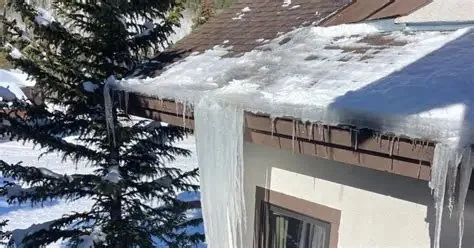
Ice dams form when warm air inside your attic heats the underside of the roof, causing snow on the roof to melt. As this meltwater runs down the roof, it reaches the colder eaves (edges) and refreezes. Over time, the ice builds up and creates a “dam,” trapping more water behind it.
Absolute Roofing / absolute roofing
TimoniumBaltimore CountyMaryland
22 W Padonia Rd # B229, Timonium, MD 21093, USA
1.2 Heat Loss Is the Root Cause
Contrary to popular belief, it’s not just outside temperatures that cause the problem—it’s what’s happening inside your house. Poor attic insulation, gaps around light fixtures, and unsealed attic hatches allow heat to escape and warm the roof unevenly.
1.3 Real-World Example: The Minnesota Melt-Freeze Cycle
Homeowners in Minneapolis reported massive leaks during the 2023 winter after repeated melt-freeze cycles caused severe damming. One homeowner said, “We thought it was just snow until we saw water dripping through the crown molding.”
2. Signs Your Home Is at Risk of Ice Dams
2.1 Icicles: Beautiful But Telling
While icicles can be charming, they’re also a strong indicator that heat is escaping through your roof. Look for large, thick icicles forming at the edge of the roof—especially near gutters. These often accompany trapped meltwater on the roof.
2.2 Uneven Snow Melt
If some areas of your roof shed snow quickly while others remain covered, your attic may have uneven insulation or ventilation. These hot spots are red flags that ice dams could form as temperatures fluctuate.
2.3 Water Spots Indoors
Brown stains on ceilings, peeling paint near windows, or warped floors near exterior walls are signs of water intrusion caused by ice dam overflow. Don’t assume it's just humidity—check the roofline above those spots.
3. Damage Caused by Ice Dams on Your Roof
3.1 Structural and Material Damage
Trapped water behind an ice dam can seep under shingles, soak insulation, rot wood framing, and even damage drywall. What starts as an outside issue quickly becomes an interior one—and often expensive to repair.
3.2 Mold and Air Quality Risks
Wet insulation and drywall create the perfect environment for mold. Once it takes hold in your attic or walls, it compromises air quality and requires professional remediation. In colder climates, this is one of the most overlooked winter risks.
3.3 Case Study: The $18,000 Leak
In early 2022, a homeowner in Buffalo had water leaking into their living room due to a massive ice dam. Insurance only covered partial damages because prevention was considered the homeowner’s responsibility. The total out-of-pocket cost? Over $18,000 in repairs and mold mitigation.
4. Practical Steps to Prevent Ice Dams Before Winter Strikes
4.1 Improve Attic Insulation
Insulating your attic to recommended R-values (R-49 to R-60 in colder zones) is one of the most effective ways to keep warm air out of your roof deck. Make sure insulation is evenly distributed and covers all corners, not just the center of the attic.
4.2 Seal Air Leaks
Use caulk or spray foam to seal gaps around attic plumbing vents, electrical wires, recessed lights, and access hatches. These small areas are often overlooked but contribute heavily to heat loss.
4.3 Ensure Proper Ventilation
Ridge vents, soffit vents, and gable vents help regulate attic temperature by promoting airflow. Without ventilation, warm air gets trapped and contributes to snowmelt. Proper ventilation also extends the life of your shingles.
4.4 Install Heated Cables (With Caution)
Heat cables along the roof edge can help melt snow before it refreezes—but they should be considered a temporary or backup solution. They consume electricity and may not solve the root problem. Consider using them only in combination with insulation improvements.
4.5 Clear Snow Promptly
After heavy snowfalls, use a roof rake to safely remove snow from the first 3–4 feet of your roof. This can prevent the build-up that leads to ice dams, especially during extended cold snaps.
5. How Professional Roofers Help Long-Term Prevention
5.1 Comprehensive Roof Inspections
A professional roofer can identify insulation gaps, weak ventilation systems, and flashing vulnerabilities that most homeowners miss. Annual inspections—especially in fall—can catch issues before the first snow hits.
5.2 Roof Redesign or Upgrades
Some homes require more than quick fixes. A low-slope roof or an aging ventilation system might need a structural upgrade. Roofers can recommend modern materials like ice & water shield membranes or metal panels in high-risk zones.
5.3 Trustworthy Guidance and Support
Not sure where to start? Reach out to Pro Found Roofing for trusted, local guidance. Their teams not only repair damage but also help homeowners plan smarter roofing systems for long-term protection against ice dams and weather-related risks.

 J&R Long ISland Roofing.5.0 (3 reviews)
 Highland Roofing Company3.0 (3 reviews)
 Dunedin Roofing Inc.5.0 (65 reviews)
 AmeriPro Roofing3.0 (5 reviews)
 RST Roofing and Renovations, LLC4.0 (95 reviews)
 HHR Exteriors4.0 (28 reviews)
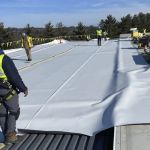 The Process of Installing a TPO Roof with Welded Seams for a Perfect Seal
 How to Identify and Repair Damage from an Animal That Has Died in the Attic
 Best Roofing Brands of 2026: Reliable, Durable, and Affordable
 The Best Time of Year to Replace or Repair Your Roof | Pro Found Roofing
 How to Choose the Best Roofing Contractor: 10 Essential Questions You Must Ask
 What to Do When Your Roof Fails a Home Inspection