
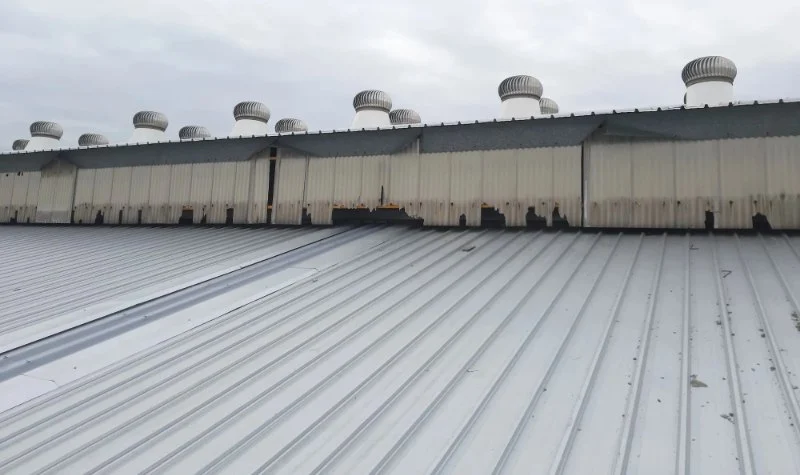
- 1. Introduction to Industrial Pollution
- 2. How Industrial Pollution Affects Roofing Materials
- 3. Types of Pollution That Impact Roofing Materials
- 4. Long-Term Consequences of Pollution on Roofing Materials
- 5. Preventive Measures and Solutions for Protecting Roofs
- 6. Choosing the Right Roofing Materials for Polluted Areas
1. Introduction to Industrial Pollution
Industrial pollution refers to the harmful release of pollutants into the air, water, and soil by factories, power plants, and other manufacturing processes. These pollutants can include chemicals, particulate matter, and gases that degrade the environment and impact human health. Over time, industrial pollution has become one of the major contributors to the degradation of various building materials, including roofing materials.
With increasing industrial activity worldwide, understanding the effect of pollution on roofing materials has become essential for homeowners, builders, and contractors alike. Roofing materials, which are exposed to the elements daily, are particularly vulnerable to the harsh effects of pollution. This article will explore how industrial pollution accelerates the degradation of roofs and what can be done to mitigate its impact.

SB Pro Roofing / sb pro roofing
Pinellas ParkPinellas CountyFlorida
6358 49th St N, Pinellas Park, FL 33781, USA
2. How Industrial Pollution Affects Roofing Materials
The impact of industrial pollution on roofing materials is significant and long-lasting. Pollutants such as sulfur dioxide, nitrogen oxides, and particulate matter contribute to the breakdown of roofing materials in various ways:

JK Contractors / jk roofing
West BendOzaukee CountyWisconsin
3058 County Rd Y, West Bend, WI 53095, USA
2.1. Chemical Reactions Leading to Corrosion
Pollutants in the air, particularly sulfur dioxide (SO2) and nitrogen oxides (NOx), can lead to chemical reactions that cause corrosion of metal roofing materials. When these pollutants react with water vapor in the atmosphere, they form acidic compounds such as sulfuric acid and nitric acid. These acids can then settle on the roof surface, causing rust and corrosion, which weakens the structure and reduces the lifespan of the roof.
2.2. Accelerated Wear and Tear of Roofing Surfaces
Particulate matter, including soot, dust, and ash, can accumulate on roofing surfaces, leading to an abrasive effect. This constant wear and tear from pollutants can cause the roofing material to break down faster, especially in areas with high industrial activity. Over time, this can result in cracks, discoloration, and a general loss of integrity in the roofing system.
2.3. Impact on Asphalt and Bitumen Roofs
Asphalt and bitumen-based roofing materials are especially vulnerable to industrial pollution. The presence of harmful chemicals in the air can degrade the waterproofing properties of asphalt roofs, causing them to lose their effectiveness. This can lead to leaks, water damage, and even complete failure of the roof if left unchecked.
3. Types of Pollution That Impact Roofing Materials
Industrial pollution comes in many forms, each of which can affect roofing materials in different ways. Understanding the types of pollutants and their specific impacts can help in taking preventive measures to protect the roof.
3.1. Airborne Particulate Matter
Airborne particulate matter, including soot, dust, and ash, is one of the most common pollutants affecting roofs. These particles can settle on roofing surfaces and cause abrasions, leading to the gradual degradation of materials. Fine particles can also clog the pores in roofing materials, reducing their ability to breathe and increasing the risk of moisture buildup, which accelerates rot and decay.
3.2. Sulfur Dioxide (SO2) and Nitrogen Oxides (NOx)
These gases are emitted by industrial plants and vehicles and play a major role in the formation of acid rain. Acid rain can damage roofing materials by causing corrosion of metal parts and weakening the structure of tiles and shingles. Prolonged exposure to acid rain can significantly shorten the lifespan of a roof.
3.3. Ozone (O3) and Volatile Organic Compounds (VOCs)
Ozone and VOCs are emitted during industrial processes and vehicle emissions. These pollutants can contribute to the deterioration of roofing materials, particularly those made from synthetic materials or rubber. Exposure to high levels of ozone and VOCs can cause these materials to become brittle, crack, and degrade over time.
4. Long-Term Consequences of Pollution on Roofing Materials
The long-term effects of industrial pollution on roofing materials are far-reaching. If left unaddressed, the degradation can lead to serious consequences, both for the roof itself and for the broader building structure:
4.1. Reduced Roof Lifespan
Continuous exposure to pollutants can significantly reduce the lifespan of roofing materials. What would normally be a 20-30 year roof might only last half as long in areas with high levels of industrial pollution. This can result in more frequent roof repairs and replacements, increasing long-term maintenance costs for homeowners and businesses alike.
4.2. Increased Energy Costs
As roofing materials degrade, their ability to insulate and protect against heat loss decreases. This can lead to higher energy costs, as the building will need to work harder to maintain a comfortable temperature. In areas with severe pollution, the cumulative effect of roof degradation can significantly raise heating and cooling costs.
4.3. Structural Damage
Over time, the degradation of roofing materials due to industrial pollution can lead to leaks and water infiltration. This can cause damage to the building’s structure, including the walls, ceiling, and interior finishes. In extreme cases, the roof’s failure can lead to costly repairs or even building collapse.
5. Preventive Measures and Solutions for Protecting Roofs
There are several strategies that can be employed to protect roofs from the harmful effects of industrial pollution. Implementing these solutions can significantly extend the lifespan of your roof and reduce maintenance costs:
5.1. Regular Roof Maintenance and Inspections
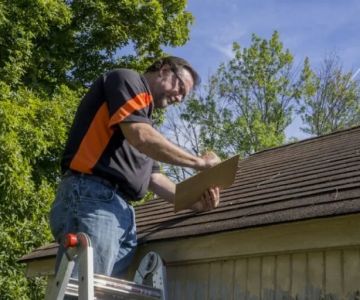
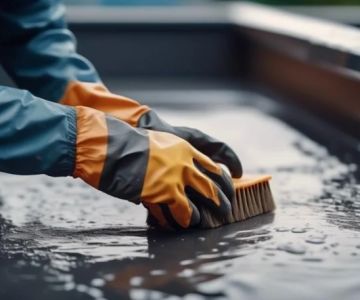
Regular maintenance, including cleaning and inspections, is essential for preventing long-term damage from pollutants. Having a professional roofer inspect your roof at least once a year can help identify early signs of pollution-related damage and allow for prompt repairs.
5.2. Protective Coatings and Sealants
Applying protective coatings or sealants to the roof can help guard against pollutants. These coatings create a barrier that repels water, pollutants, and other contaminants. They also help to reduce the abrasive effects of particulate matter, prolonging the life of the roof.
5.3. Choosing Pollution-Resistant Roofing Materials
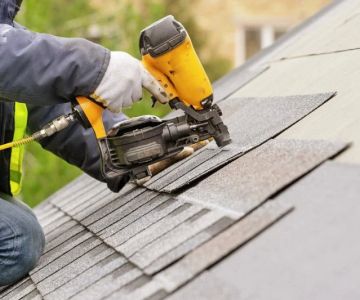
When installing a new roof, consider using materials that are resistant to the effects of pollution. Metal roofing, for example, is more resistant to corrosion from sulfur dioxide and nitrogen oxides than asphalt shingles. Additionally, synthetic underlayments and membranes can provide enhanced protection against pollutants.
6. Choosing the Right Roofing Materials for Polluted Areas
If you live in an industrial area or an area prone to heavy pollution, it’s important to select roofing materials that can withstand the harsh effects of pollutants. Some materials are naturally more resistant to corrosion and degradation than others, offering long-term protection for your home or business:
6.1. Metal Roofing
Metal roofing, especially galvanized steel or aluminum, offers superior resistance to pollutants such as sulfur dioxide and nitrogen oxides. Metal roofs are durable, weather-resistant, and can last for decades with minimal maintenance.
6.2. Tile Roofing
Ceramic or concrete tile roofing is another great option for polluted areas. Tiles are naturally resistant to chemicals and pollutants, and they provide excellent insulation and durability.
6.3. Synthetic Roofing Materials
Some synthetic roofing materials, such as rubber or PVC, are designed specifically to be more resistant to the effects of pollution. These materials are highly durable and can help prevent damage caused by airborne contaminants.
For the best protection against industrial pollution and roofing material degradation, consider visiting Pro Found Roofing for quality materials and expert advice on roofing solutions that can withstand the elements.
 Industrial Roofing Company4.0 (3 reviews)
 The Mad Roofer3.0 (18 reviews)
 Gonzalez G Roofing5.0 (3 reviews)
 Power Roofing & Waterproofing Brooklyn5.0 (29 reviews)
 Montes Roofing4.0 (28 reviews)
 Northpoint Roofing, LLC4.0 (39 reviews)
 The Pros and Cons of a M-Shaped Roof Design for Larger Homes
 The Impact of Algae on Your Roof's Lifespan and How to Stop Its Growth
 Green Roofing Solutions for Sustainable Homes in the U.S. | Pro Found Roofing
 The True Cost of a Slate Roof: Installation, Maintenance, and Lifespan
 The Best Time to Schedule a Roof Repair to Avoid the Busy Season
 A Comprehensive Guide to EPDM, TPO, and PVC Roofing Membranes for Flat Roofs